1 Spoon Transforms Your Orchid: 1001 Roots & Crazy Blooms! Discover the Secret Now!
Transform Your Orchid with Just One Spoon: Secrets to Thriving Roots and Blooms
- Introduction
- Understanding Your Orchid’s Needs
- Essential Care Tips for Healthy Growth
- Common Mistakes to Avoid
- FAQs
- Conclusion
Introduction
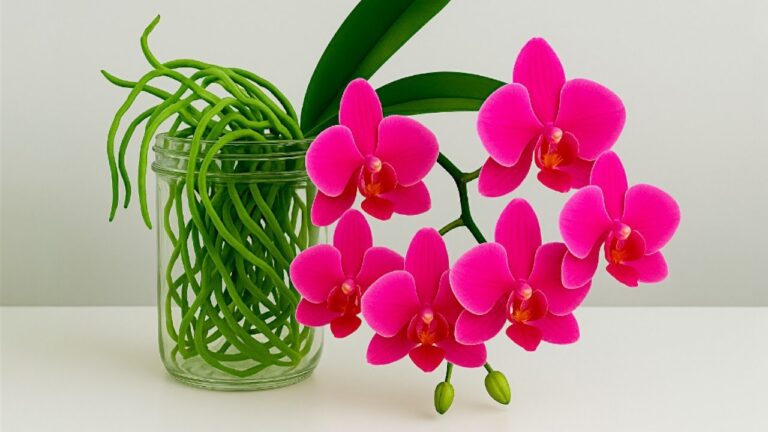
Imagine you have a beautiful orchid sitting in your home, its vibrant flowers catching the light and adding a touch of elegance to your space. However, over time, you’ve noticed it seems to struggle, with roots that aren’t as robust as they once were. You’re not alone in this! Many orchid owners find themselves in a similar situation, wondering how to rejuvenate their beloved plants. The good news is that with just one simple technique, you can help transform your orchid’s roots and encourage it to bloom beautifully again. Read on to discover the secrets!
Understanding Your Orchid’s Needs
Before diving into care techniques, it’s essential to understand the specific needs of your orchid species. Orchids are unique in terms of their growth habits and environmental requirements.
Different Orchid Species
There are various types of orchids, each with unique characteristics. For example:
- Phalaenopsis: Often referred to as moth orchids, these are great for beginners. They prefer indirect sunlight and regular watering.
- Cattleya: Known for their fragrant blooms, they thrive in bright light and enjoy a bit more drying time between waterings.
- Dendrobium: These orchids have distinct growth phases and enjoy warmer temperatures during their active growth period.
Environmental Factors
Understanding environmental factors also plays a significant role in your orchid’s health:
- Light: Ensure your orchid is receiving the appropriate amount of light based on its species.
- Humidity: Most orchids flourish in humidity levels of 40-70%. Consider using a pebble tray or humidifier.
- Temperature: Maintaining consistent temperature ranges based on the species can help them thrive.
Essential Care Tips for Healthy Growth
With the right understanding of your orchid’s needs, you can apply these care techniques to promote healthy growth.
Watering Techniques
How you water your orchid is crucial for its overall health.
- Check for Dryness: Before watering, stick your finger into the potting medium. If it feels dry, it’s time to water.
- Use Room Temperature Water: Cold water can shock the roots. Aim for room temperature to ensure comfort.
- Drain Properly: Ensure excess water drains out of the pot, as standing water can cause root rot.
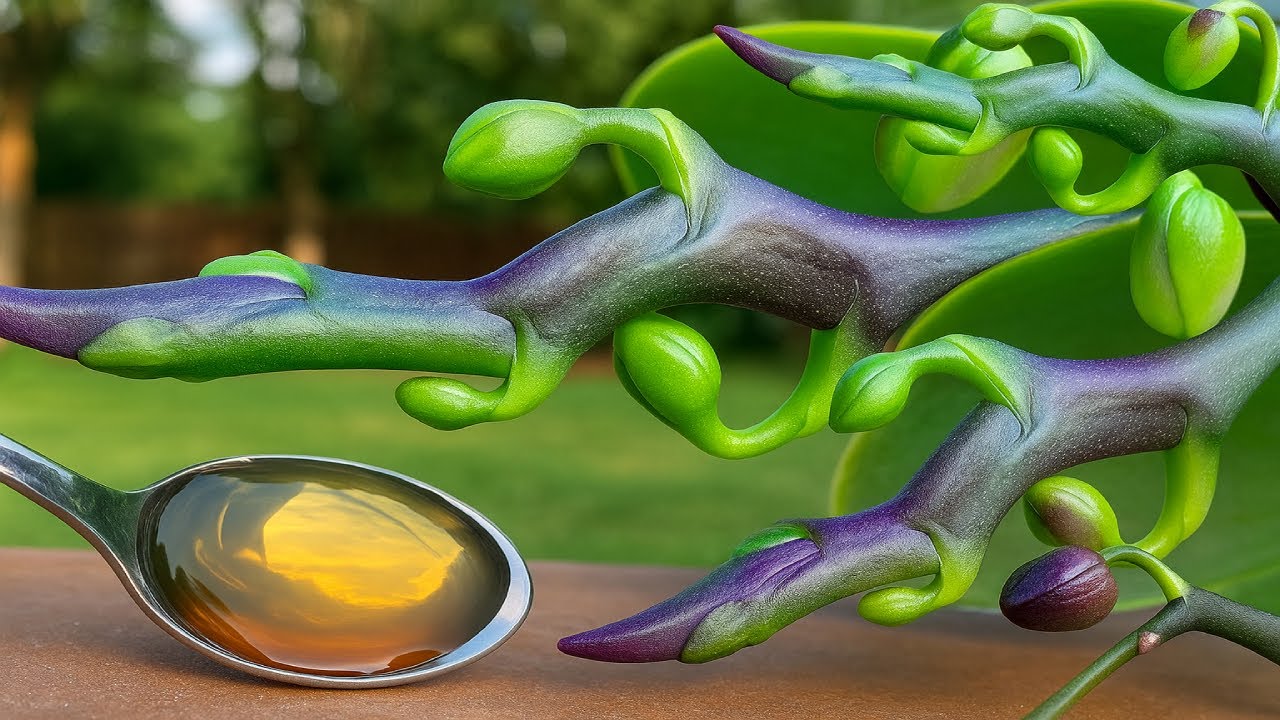
Using One Spoon Technique
Now, let’s talk about the transformative technique that involves using just one spoon:
- Gather Materials: You’ll need a shallow bowl, a spoon, and your orchid.
- Add Water: Fill the bowl with about an inch of room temperature water.
- Soak the Roots: Place the orchid pot in the bowl, allowing it to absorb moisture through the drainage holes for about 20-30 minutes.
This method encourages healthy root growth by giving your orchid the hydration it needs without drowning it.
Common Mistakes to Avoid
While caring for your orchid, it’s essential to avoid common pitfalls that can hinder its growth.
- Overwatering: One of the most frequent mistakes. Ensure the potting medium dries adequately between waterings.
- Ignoring light conditions: Placing your orchid in direct sunlight can scorch its leaves. Provide filtered light for optimal growth.
- Using regular potting soil: Orchids require specific potting mixes. Avoid traditional soil as it retains too much moisture for them.
FAQs
How often should I water my orchid? This generally depends on your orchid species, but most need watering about once a week, allowing their medium to dry between waterings.
Why is my orchid not blooming? Insufficient light, improper watering, or not enough nutrients can all contribute to a lack of blooms.
When should I repot my orchid? You should repot every 1-2 years or when you notice that the growing medium is broken down or the plant appears root-bound.
Conclusion
By understanding your orchid’s needs and implementing the one spoon technique, you can significantly improve its health and promote beautiful blooms. Have you tried this method or other care techniques for your orchids? Share your experiences in the comments!