Grow Orchids Year-Round: Use Just 1 Fruit to Get Roots and Blooms Instantly!
Grow Orchids Year-Round: Using Just One Fruit for Roots and Blooms
- Introduction
- Understanding Orchids
- Benefits of Using Fruit for Orchids
- Step-by-Step Guide to Using Fruit for Orchids
- Common Mistakes to Avoid
- FAQ
Introduction
If you’re a gardening enthusiast, you may have found that growing orchids can sometimes feel like an intimidating task. Often, these beautiful plants are seen as delicate and unmanageable, leaving many potential growers unsure about how to help them thrive. However, with a bit of guidance and the right techniques, you can cultivate orchids that produce stunning blooms year-round. Explore how something as simple as a single fruit can transform your experience with these lovely plants.
Understanding Orchids
Orchids are a diverse family of flowering plants, known for their intricate blooms and diverse shapes. Here are some key facts to help you better understand them:
- Varieties: There are over 25,000 species of orchids, each with unique care requirements.
- Growth Habits: Orchids often grow in various environments, from tropical jungles to colder climes.
- Light Needs: Most orchids thrive in bright, indirect light, making them ideal indoor plants.
Types of Orchids
The most popular types include Phalaenopsis, Dendrobium, and Cattleya, each requiring slightly different care. Knowing your orchid’s type will guide you in tailoring your care approach effectively.
Common Care Tips
Proper watering, humidity, and fertilization are crucial. A general practice includes watering once a week and ensuring your orchid pot has good drainage.
Benefits of Using Fruit for Orchids
Using fruit in your orchid care routine can have beneficial effects on their growth and blooming. Here are some advantages:
- Nutrients: Fruits, particularly bananas, are rich in potassium, which can boost flowering and root development.
- Natural Fertilization: The sugars in fruits can enhance the biological activity in the growing medium, providing a natural fertilizer.
- Cost-Effective: This method utilizes waste from your kitchen, reducing your reliance on commercial fertilizers.
Choosing the Right Fruit
While many fruits can be beneficial, bananas stand out for their high potassium content. Apples and pears are also good options. Ensure they are ripe but not overripe for the best results.
How Fruits Work
The decomposition of fruits releases nutrients into the soil, which are then absorbed by the orchids. It’s an eco-friendly way to enrich your plant’s environment.
Step-by-Step Guide to Using Fruit for Orchids
Here’s how to effectively use fruit to enhance your orchid care:
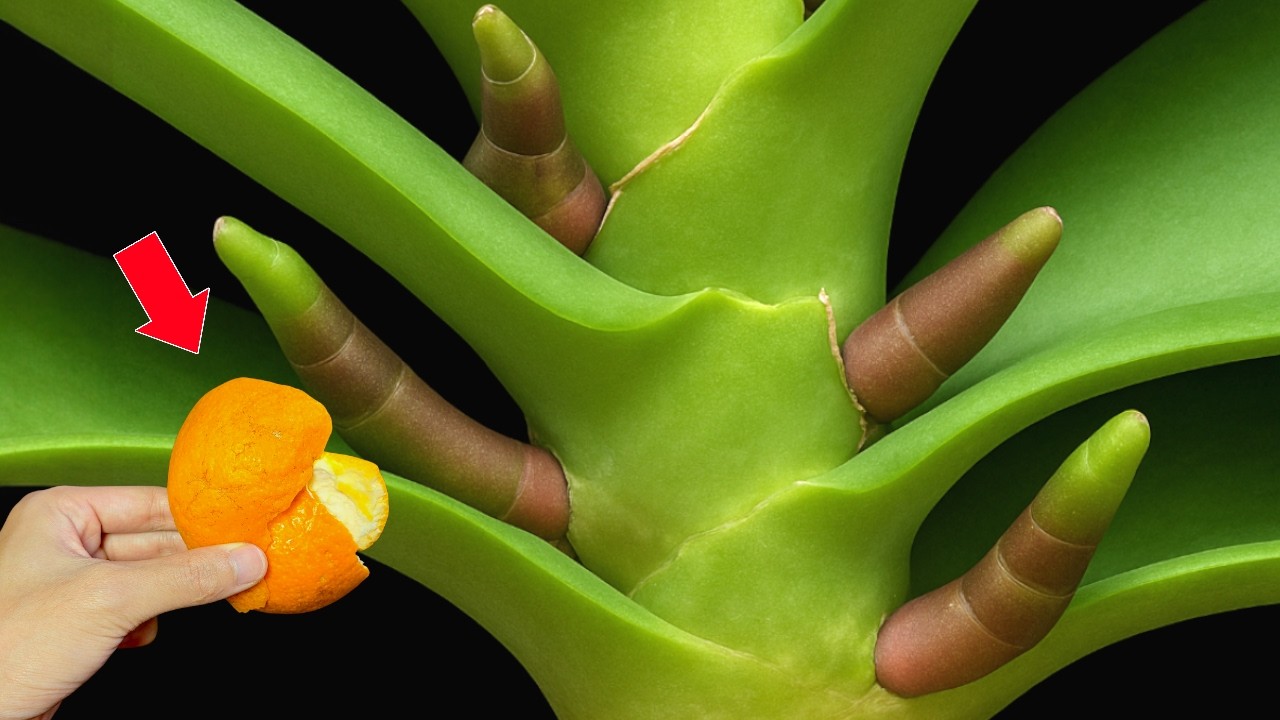
- Select a ripe banana or another suitable fruit.
- Cut the fruit into small pieces or mash it for quicker decomposition.
- Mix the fruit pieces with your potting medium or place them on top of the soil.
- Water your orchid as you normally would, ensuring the fruit doesn’t sit in water.
- Monitor your orchid for new growth or blooms over the coming weeks.
Frequency of Use
Incorporating fruit once a month can provide steady nutrients without overwhelming your plants. Make sure to remove any uneaten pieces to prevent mold.
Complementary Care
While using fruit is effective, it should complement your regular orchid care routine, including appropriate light exposure and watering schedules.
Common Mistakes to Avoid
Even with the best intentions, some common pitfalls can hinder your orchid’s success:
- Overusing fruit: Applying fruit too frequently can cause nutrient overload and mold.
- Insufficient drainage: Ensure your orchid pot has holes to prevent water from accumulating around the roots.
- Ignoring light conditions: Orchids need bright, indirect light; failing to provide this can impede growth.
- Neglecting humidity: Orchids thrive in humid environments; consider using a humidity tray if your home is dry.
- Forgetting about pests: Regularly check for signs of pests, as orchids can attract insects.
FAQ
Can I use other fruits for my orchids?
Yes, bananas, apples, and pears can all provide beneficial nutrients. Choose fruits that are ripe for maximum effect.
How often should I feed my orchids with fruit?
Using fruit once a month is generally sufficient to provide nutrients without overwhelming your orchids.
What should I do if my orchid isn’t blooming?
Check for proper light, watering, and humidity levels. Nutrient application using fruit may also help stimulate blooming.
Conclusion
With the right techniques and care, you can successfully grow orchids year-round using just one fruit. By understanding their needs and avoiding common mistakes, you’ll be on your way to cultivating beautiful blooms. What tips or experiences do you have with growing orchids?