The Ultimate Guide to Fertilizing Houseplants: When, How, and What to Use
The Ultimate Guide to Fertilizing Houseplants: When, How, and What to Use
Whether you’re a new plant parent or a seasoned collector, you likely know the three essentials for thriving plants: healthy soil, adequate light, and a proper watering schedule. However, finding the right balance can become a chore, especially during the summer months, when your houseplants can benefit from one key addition to their care routine – fertilizing.
Why Should You Fertilize Your Houseplants?
While “need” might be too strong a term, fertilizing your houseplants is essential for maintaining lush, healthy growth. In their natural tropical habitats, plants receive nutrients from decomposing organic matter. Unfortunately, your living room environment doesn’t provide this, making fertilization crucial for your indoor plants.
The three key nutrients your plants require are:
- Nitrogen (N): Promotes healthy foliage.
- Phosphorus (P): Essential for flowers and fruit.
- Potassium (K): Supports overall growth and root health.
You might notice these elements indicated on fertilizer packages, often represented as three numbers (N-P-K). For example, a 7-10-7 fertilizer contains 7% nitrogen, 10% phosphorus, and 7% potassium.
Choosing Between Synthetic and Organic Fertilizers
The choice between synthetic and organic fertilizers ultimately rests with you. However, organic options have gained popularity for being more environmentally friendly and are often equally or more affordable than synthetic versions.
Organic fertilizers are typically derived from natural sources like fish, seaweed, manure, and bone meal. While synthetic fertilizers provide quick results, they do not enrich the soil and can lead to a toxic buildup of salts with excessive use.
In contrast, organic fertilizers release nutrients slowly and often contain additional micronutrients crucial for healthy plant growth. Look for products carrying the Organic Materials Review Institute (OMRI) certification for the best quality.
How to Fertilize Your Houseplants
The method of fertilization mainly depends on the type of fertilizer you choose:
1. Liquid or Powder Fertilizers
Easily mixed with water, these are user-friendly and can be diluted to prevent over-fertilization. Water-soluble fertilizers may be synthetic or organic and can be used during regular watering sessions.
2. Granules or Pellets
These slow-release fertilizers are mixed into the soil and are less likely to be over-applied. They dissolve gradually, providing nutrition over several months.
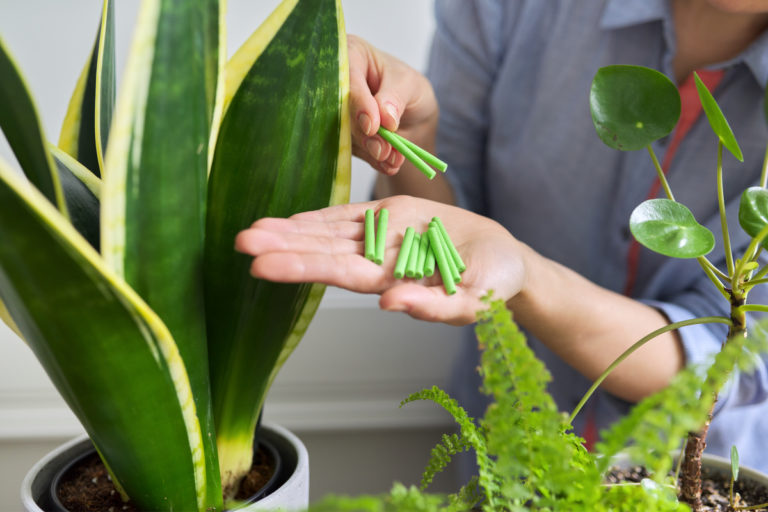
3. Stakes
Slow-release stakes are convenient but can cause localized concentrations of fertilizer, which might damage roots. Move them around the pot regularly to mitigate this issue.
4. Foliar Sprays
Designed for immediate nutrient delivery, these sprays can be applied directly to leaves for quick absorption. However, they should serve as a temporary boost rather than a replacement for quality potting soil.
Signs Your Houseplants Need Fertilization
While fertilization is beneficial, it shouldn’t be done indiscriminately. Common indicators that your plants need more nutrients include:
- Lack of new growth during the growing season.
- Yellowing leaves, especially if the veins remain green.
Always check other care factors like light and watering before rushing to fertilize.
How Often to Fertilize Your Houseplants
The frequency of fertilization depends on various factors such as the type of plants, pot size, and their growth rate. During active growth seasons, typically spring and summer, you may need to fertilize monthly with liquid fertilizers and every couple of months with granules or stakes.
Here are some considerations:
- Smaller pots require less fertilizer.
- Higher light levels increase nutrient needs.
- Hungry plants, like monsteras and blooming varieties, will require more frequent feeding.
Tracking Your Fertilization Schedule
If you’re prone to forgetfulness, a plant journal can help keep your care organized. Note down fertilization dates, types of fertilizers used, and any changes in plant health. A simple printable calendar or planner can serve this purpose effectively.
When to Avoid Fertilizing
Avoid fertilizing under these conditions:
- Immediately after purchasing a plant, as it may have already been fed.
- After repotting, since most potting mixes contain slow-release fertilizer.
- When a plant is sick or stressed; first address the underlying issue before fertilizing.
Consequences of Over-Fertilizing
Applying too much fertilizer can lead to “leaf burn,” where high salt levels dry out roots, leading to further complications. Symptoms of over-fertilization include:
- Browning leaf tips.
- White crust around the pot indicating excess salts.
- Leggy growth due to rapid, unsupported growth.
To remedy over-fertilization, refresh your potting soil and adjust your feeding schedule accordingly.
Conclusion
Fertilizing your houseplants is vital for their health and vitality, but moderation is key. Monitor your plants closely, adapt your fertilization strategy based on their specific needs, and you’ll enjoy a thriving indoor garden.