Mastering Raised Bed Potatoes: Essential Tips for a Bountiful Harvest
Mastering Raised Bed Potatoes: Essential Tips for a Bountiful Harvest
Raised beds are a fantastic way to cultivate a garden, even in poor soil conditions. They allow you to enjoy gardening earlier in the season and extend it into the fall. Moreover, raised beds bring the added benefit of fewer weeds and greater control over soil quality, making them gentle on your knees and back.
Why Grow Potatoes in Raised Beds?
While many gardeners hesitate to grow potatoes in raised beds due to their size, these versatile vegetables thrive when given optimal conditions. If you have the space, growing potatoes in raised beds is very rewarding. Even if you only have a couple of small beds, consider experimenting with potato cultivation; they can also thrive in five-gallon buckets.
Reasons to Grow Your Own Potatoes
- Control Over Growing Conditions: Growing your own potatoes allows you to avoid chemical pesticides and enjoy organic produce.
- Diverse Varieties: Supermarket offerings can be limited to standard white, red, and yellow potatoes. By growing your own, you can explore exciting varieties like the Atlantic or Adirondack potatoes.
Potatoes are not only easy to grow but also make a delectable addition to any garden. Let’s dive into how to successfully cultivate them in raised beds!
Choosing Between Early and Late Potatoes
Deciding whether to grow early or late potatoes is essential as it affects the harvest time and storage capability. Early potatoes, often referred to as new potatoes, are generally small and harvested in mid-summer. In contrast, late potatoes, harvested in the fall, are larger and suitable for long-term storage.
For best results, grow both types: harvest a portion of your plants in mid-summer and leave the rest for a fall harvest.
Optimal Growing Conditions
Potatoes thrive in full sunlight, requiring at least six hours of direct exposure daily. They prefer the well-draining soil found in most raised beds. For the best nutrient content, mix compost and bone meal into the soil when planting your seed potatoes.
While potatoes generally need average rainfall, be mindful in dryer conditions: water deeply at the base to prevent leaf wetness, which can lead to disease.
Preparing Potatoes for Planting
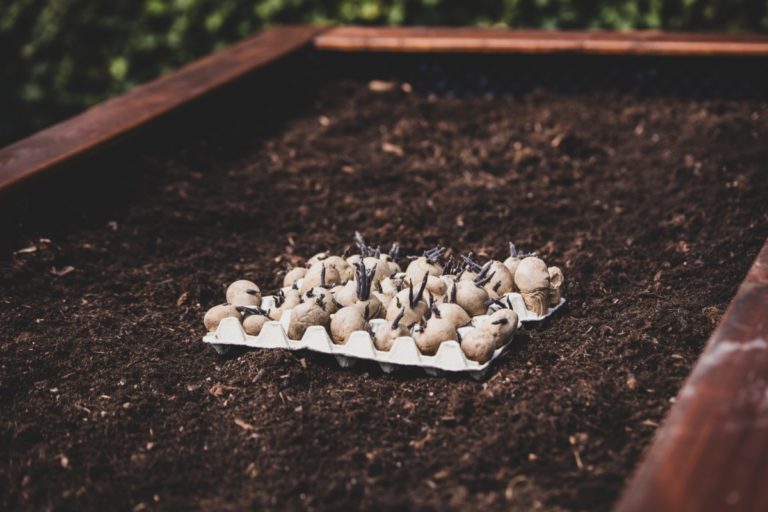
Before planting, it’s crucial to “chit” your seed potatoes by placing them in a warm, sunny location to encourage sprout growth. Cut whole potatoes into smaller pieces a few days before planting and allow them to scab over to heal.
Planting and Hilling in Raised Beds
Deep Raised Beds
If your raised beds are at least a foot deep, follow these steps:
- Create a trench about six inches deep, spacing trenches one foot apart.
- Place seed potatoes in the trench, one foot apart, ensuring the eyes are facing up.
- Cover with soil, adding compost and bone meal.
As sprouts reach 6-8 inches tall, hill soil around each plant, leaving the upper few leaves exposed. This can be repeated if desired.
Shallow Raised Beds
For shallower beds, you can still grow potatoes easily by using straw instead of soil:
- Create one-inch deep trenches, spaced one foot apart, and plant seed potatoes twelve inches apart.
- Cover with a thick layer of straw, ensuring it’s deep enough to block light.
Water the straw thoroughly and tamp it down. As the sprouts grow, add more straw, leaving the tips uncovered to continue their growth.
Harvesting Potatoes
Identifying the right time to harvest potatoes can be tricky. For early potatoes, watch for wilting flower buds, while for late potatoes, wait for the foliage to yellow and dry, typically coinciding with the first frost.
When harvesting, use a garden fork for in-soil plants, and simply peel back the straw for straw-grown potatoes.
Curing and Storing Potatoes
After harvesting, it’s essential to let potatoes cure for a few hours on top of the soil before brushing off dirt. A thin layer of soil helps preserve them. Store cured potatoes in a cool, dark, and dry place, spaced for airflow.
For longer storage, aim for thicker-skinned varieties, and consider freezing any surplus.
Conclusion
Are raised beds the perfect solution for growing potatoes? Only you can decide! With proper care and attention, you can enjoy a bountiful potato harvest right from your backyard.