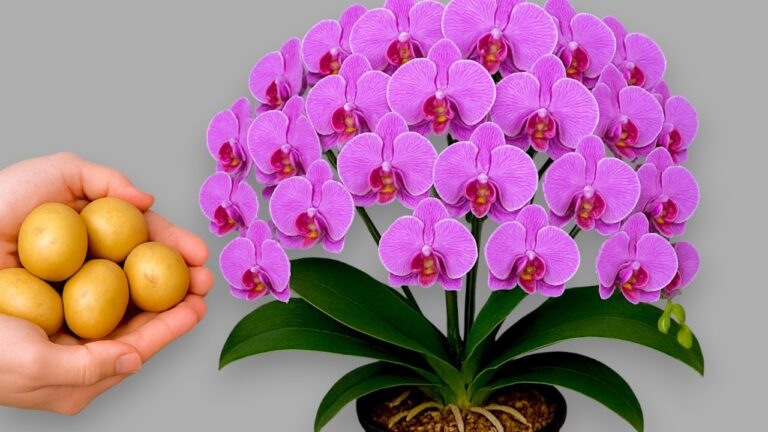
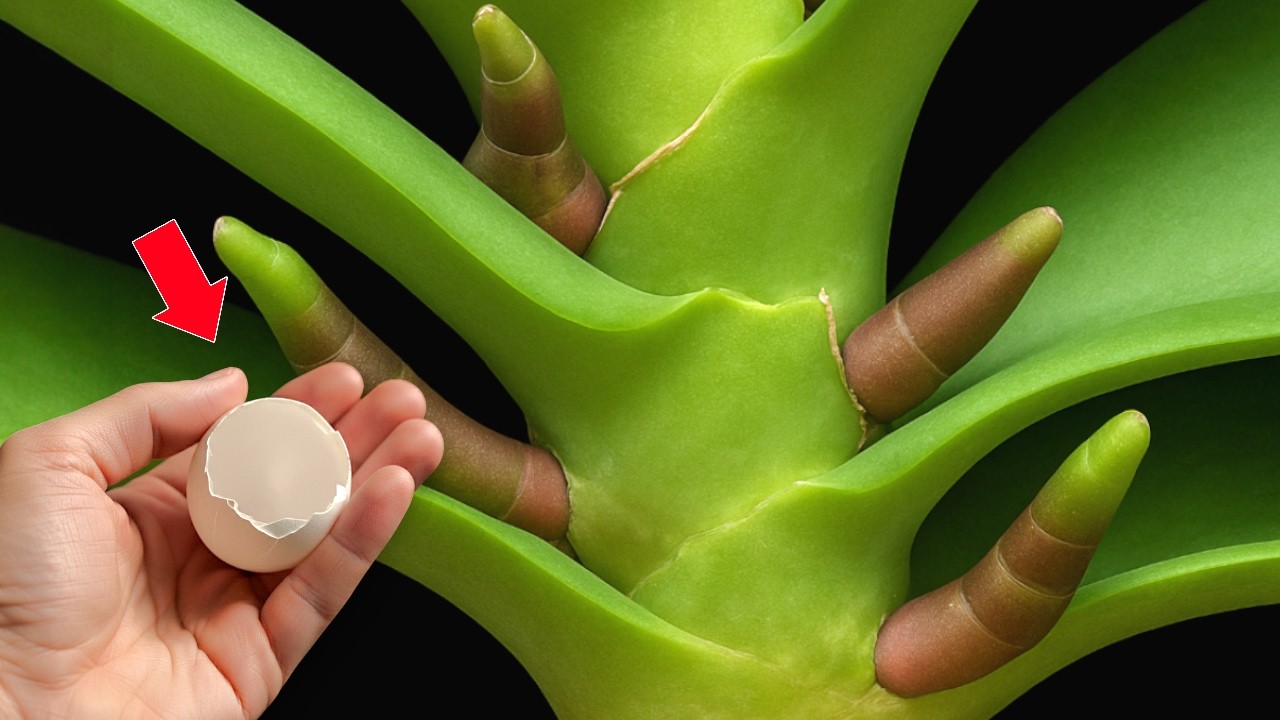
Unlock 12 Months of Blooms: Grow Orchids with Just One Bottle a Month!
Unlock Year-Round Blossoms: Your Guide to Growing Orchids
- Introduction
- Requirements for Growing Orchids
- Step-by-Step Process for Orchid Care
- Common Mistakes to Avoid
- FAQs
- Conclusion
Introduction
Have you ever looked at a stunning orchid and wished you could grow your own? You might be intimidated by the idea of caring for these beautiful plants, thinking they require complex care routines or special fertilizers. Many people struggle to maintain healthy orchids, often leading to disappointment when blooms don’t appear. However, understanding the right techniques can make all the difference. Let’s explore how you can successfully cultivate these elegant flowers and bring vibrant color into your home throughout the year.
Requirements for Growing Orchids
Before diving into the specifics of orchid care, you’ll need to gather a few essential materials. Having the right tools will make this journey smoother and more enjoyable.
1. Choosing the Right Orchid Variety
- Cattleya: Known for their large, fragrant blooms, suitable for beginners.
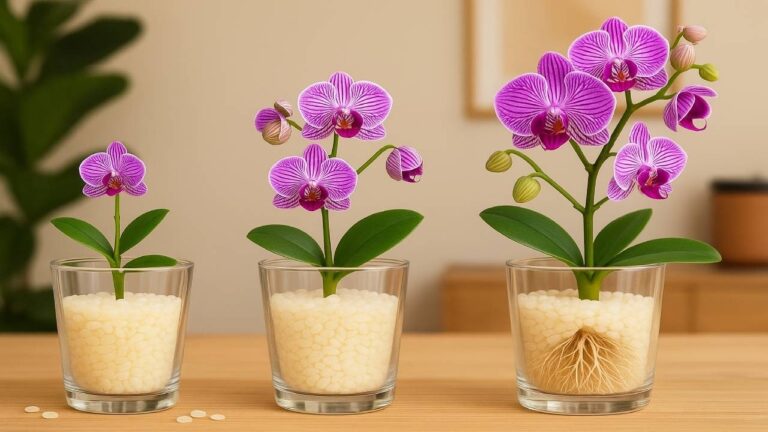
- Phalaenopsis: Also called moth orchids, they are hardy and bloom multiple times a year.
- Dendrobium: Elegant flowers, requiring a bit more care but well worth it for their beauty.
2. Essential Materials
- Potting Mix: A medium specifically designed for orchids, typically containing bark, charcoal, and perlite.
- Containers: Pots with drainage holes ensure that roots don’t sit in water.
- Watering Can: For proper and controlled watering.
3. Optimal Light and Temperature
Orchids thrive in bright, indirect sunlight, so consider placing them near a window that filters harsh rays. Temperatures between 65°F (18°C) and 75°F (24°C) usually create ideal conditions for growth.
Step-by-Step Process for Orchid Care
Once you have your materials and understand your plant choice, you can begin the process of caring for your orchids. Follow these actionable steps for a flourishing orchid garden.
1. Planting Your Orchid
- Prepare the Pot: Fill the pot with orchid mix, ensuring it is well-aerated.
- Position the Orchid: Place the orchid in the center, filling around the roots without compacting the medium.
- Watering: Water thoroughly, allowing the excess to drain out.
2. Watering Schedule
Orchids prefer to be slightly dry between waterings. Here’s a simple approach:
- Check moisture weekly by sticking your finger into the potting medium.
- If it feels dry, it’s time to water; if it’s still moist, wait a few more days.
- Reduce watering frequency during winter as the plants enter a dormant period.
3. Fertilizing Orchids
An effective fertilizing routine can boost your orchids’ health and promote blooming. Here’s how:
- Use a balanced fertilizer diluted to half strength.
- Feed monthly while the plant is actively growing, and reduce frequency during dormancy.
- Consider an orchid-specific formula for more tailored nutrition.
Common Mistakes to Avoid
1. Overwatering
One of the biggest mistakes is overwatering, which can lead to root rot. Always allow the roots to dry slightly before the next watering.
2. Poor Light Conditions
Not providing enough light can prevent blooming. Make sure your orchids receive ample indirect sunlight, adjusting their location as needed.
3. Ignoring Temperature Changes
Neglecting temperature fluctuations can stress your plant. Make sure to keep them in an environment with stable, ideal temperatures.
FAQs
What is the best way to encourage blooms in orchids?
Ensure they receive adequate light, water correctly, and maintain a suitable temperature to encourage blooming.
How often should I repot my orchids?
Orchids generally need to be repotted every one to two years, or when the potting medium breaks down or roots outgrow the pot.
Can I use regular plant fertilizer on orchids?
Regular plant fertilizers may not provide the specific nutrients orchids need. It’s best to use an orchid-specific fertilizer for optimal growth.
Conclusion
With the right knowledge and care techniques, you can successfully nurture orchids and enjoy their beauty year-round. It’s all about understanding their needs and creating an environment where they can thrive. What challenges have you faced in growing orchids? Share your thoughts and experiences in the comments below.