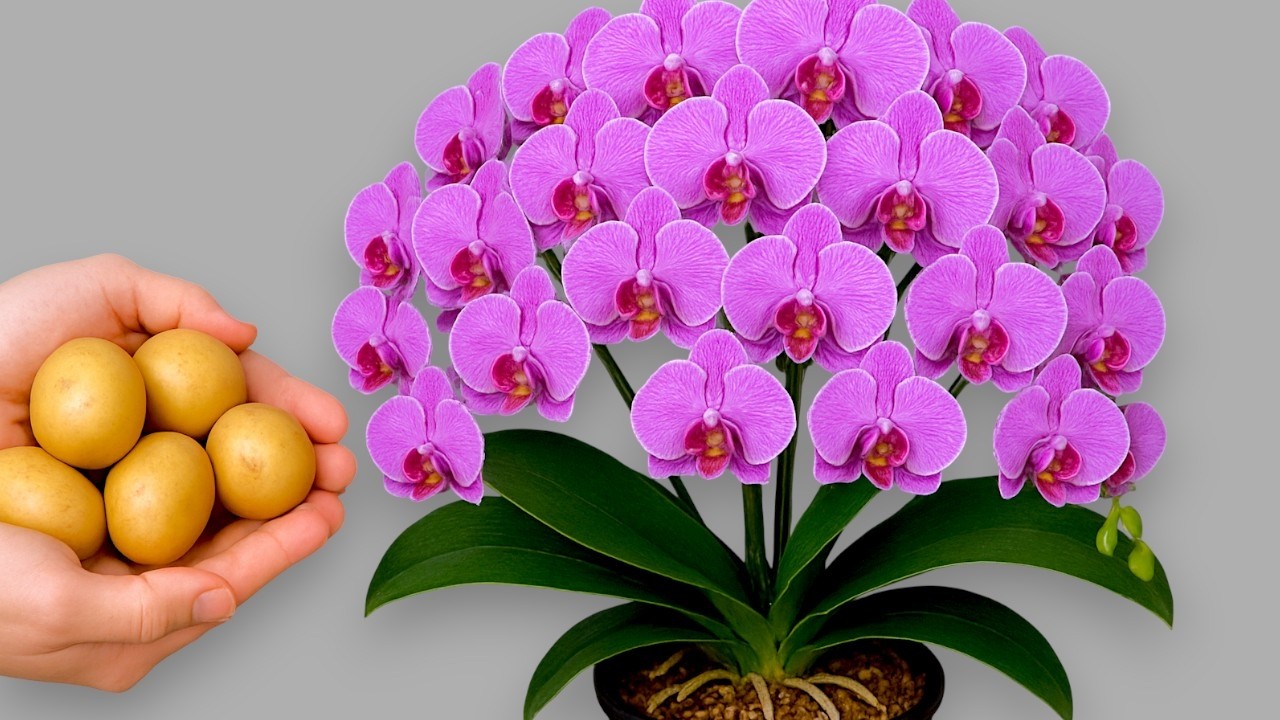
Unlock 1001 Orchid Roots for Stunning Blooms: A Must-Try Gardening Tip!
Unlock 1001 Orchid Roots for Stunning Blooms: A Must-Try Gardening Tip!
- Introduction
- Understanding Orchid Roots
- Choosing the Right Media
- Watering Techniques for Orchids
- Common Mistakes to Avoid
- FAQ
- Conclusion
Introduction
Have you ever admired a friend’s vibrant orchids and wondered how they manage such stunning blooms? It’s not just luck; it often comes down to understanding the unique needs of these beautiful plants. Orchids have specific requirements, particularly when it comes to their roots and environment. If you’re looking to elevate your orchid-growing skills, exploring the intricacies of their roots may be the key. Keep reading for insights that could transform your gardening adventures.
Understanding Orchid Roots
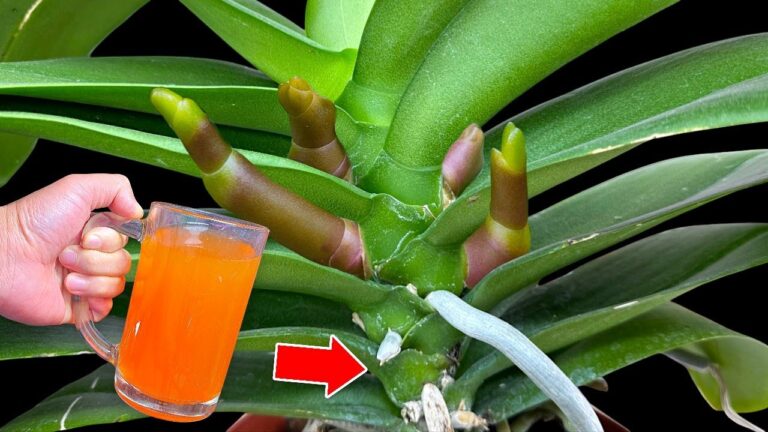
Orchid roots are quite different from those of many common houseplants. They can absorb moisture and nutrients directly from the air. Understanding their unique nature is essential for successful growth.
Characteristics of Orchid Roots
The roots of orchids are covered with a spongy layer called velamen, which helps them gather moisture from the air. This adaptation allows orchids to thrive in diverse environments, from rainforests to arid regions. When you observe your orchids, take note of the root color:
- Green: Moisture is present.
- Gray or white: Time to water.
Root Health Indicators
Healthy roots are essential for a thriving orchid. Check for:
- Strong, plump roots that are firm to the touch.
- Avoidance of mushy or shriveled roots, which indicate over or under-watering.
- Green roots signify good moisture retention.
Choosing the Right Media
How you pot your orchids can significantly influence root health and blooming potential. The media you choose affects aeration, moisture retention, and overall plant growth.
Common Potting Media Options
Orchids thrive in various potting media, each offering different benefits:
- Bark: Provides good drainage and airflow.
- Sphagnum moss: Retains moisture, ideal for humidity-loving orchids.
- Coconut coir: A sustainable alternative that promotes aeration.
Potting and Repotting Tips
When potting your orchid, consider these tips:
- Use pots with drainage holes to prevent root rot.
- Repot every 1-2 years to refresh the media and promote root health.
- Position the orchid so that the crown is above the media level, allowing air circulation.
Watering Techniques for Orchids
Watering is crucial for orchid care, but it’s not just about providing moisture. The timing and technique can significantly influence your orchids’ roots and overall health.
Best Practices for Watering
Here are some effective watering techniques:
- Check the media first: Ensure it’s nearly dry before watering again.
- Water in the morning: This allows excess moisture to evaporate during the day.
- Avoid water on the leaves: Focus on soaking the media and roots instead.
Signs of Over or Under-Watering
Monitoring for issues is essential:
- Yellowing leaves may indicate over-watering.
- Soft, mushy roots signal root rot.
- Wrinkled leaves suggest under-watering.
Common Mistakes to Avoid
Even seasoned plant lovers can make errors in orchid care. Here are some common pitfalls to watch for:
- Over-watering due to misunderstanding root needs.
- Using non-draining pots that trap moisture.
- Neglecting to check humidity levels in dry environments.
- Failing to repot orchids when the media breaks down.
FAQ
How often should I water my orchids?
Watering frequency depends on environmental conditions. Generally, watering once a week is sufficient, but always check the potting media’s moisture level first.
What type of light do orchids need?
Orchids thrive in bright, indirect light. Direct sunlight can scorch their leaves, while too little light might hinder blooming.
How do I know if my orchid needs repotting?
Repot when growth slows or roots are growing out of the pot. You may also notice that the potting media has degraded or smells musty.
Conclusion
Understanding your orchids’ roots, choosing the right potting media, and perfecting your watering technique can lead to stunning blooms in your home. What tips do you find most helpful for caring for your orchids? Feel free to share your thoughts in the comments below.