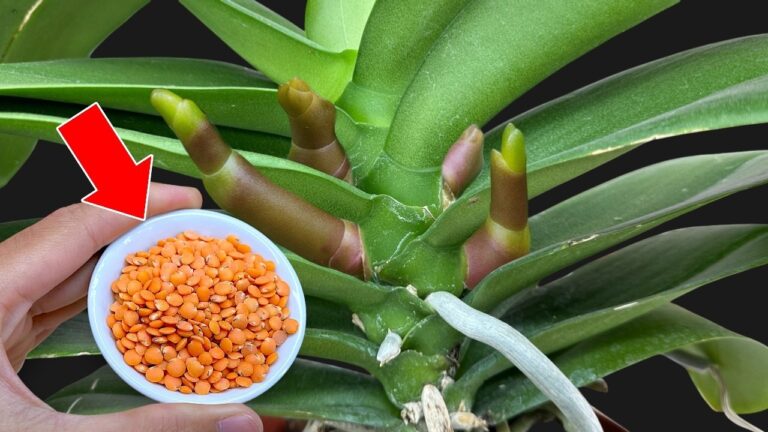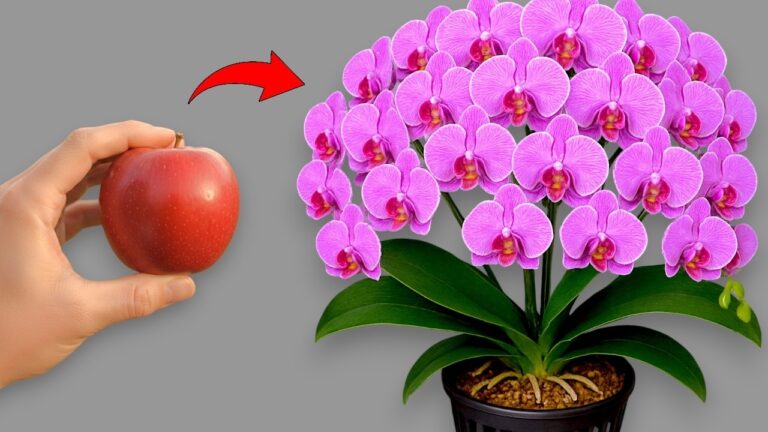
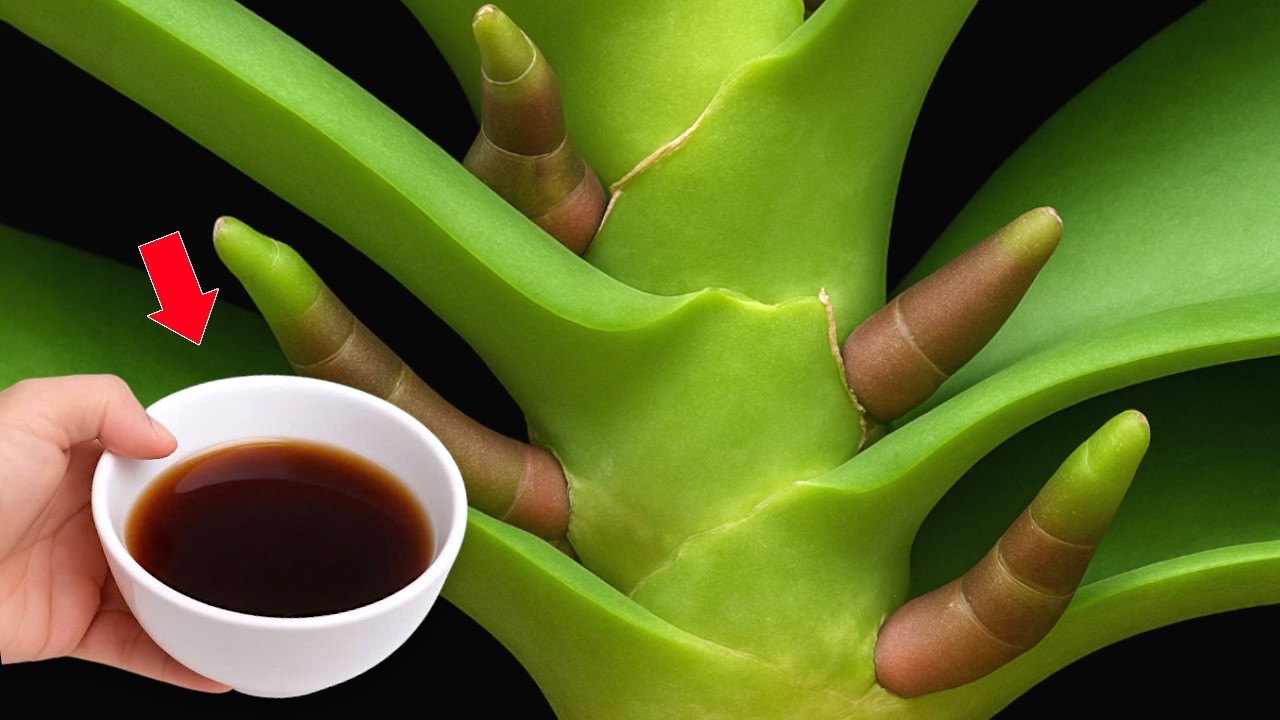
Unlock 1001 Orchids: 1 Cup Per Week for Instant Roots and Flowers!
Unlocking the Secrets of Growing Orchids at Home
Introduction
Have you ever walked into a friend’s home and been captivated by the delicate beauty of their orchid collection? These stunning plants can fill your space with elegance and charm, yet many people struggle to get their orchids to bloom. You may find yourself wondering what secret they possess that you don’t. If you’re ready to learn how to cultivate your own beautiful orchids, keep reading to uncover practical tips that will transform your gardening experience.
Understanding Orchids
Orchids are more than just pretty flowers; they are a unique family of plants with various types and needs. Understanding these needs is your first step in cultivating beautiful blooms.
1. Types of Orchids
There are over 25,000 species of orchids, making them one of the most diverse groups of flowering plants. Some popular types include:
- Phalaenopsis (Moth Orchid) – known for their flat, broad flowers
- Cattleya – famous for their large, colorful blooms
- Dendrobium – characterized by their tall stems and clusters of flowers
2. Natural Habitat
Most orchids thrive in warm, humid environments, often found in tropical areas. Understanding their natural habitat can help you replicate the conditions they need to flourish.
3. Basic Needs
Orchids require:
- Light: Bright, indirect sunlight
- Temperature: Average room temperatures of 65-75°F
- Humidity: 40-60% humidity levels
Essential Care for Healthy Orchids
Once you understand your orchids, it’s time to focus on their care. Here is a practical guide to keeping your orchids vibrant and healthy.
1. Watering Techniques
- Water: Water your orchids once a week, ensuring the potting mix is damp but not soggy.
- Drainage: Ensure pots have good drainage to prevent root rot.
- Humidity: Mist your orchids or place a humidity tray nearby to maintain moisture.
2. Fertilizing for Blooms
To stimulate blooming, use a balanced fertilizer every two weeks during the growing season. Choose a fertilizer designed for orchids to ensure the right nutrient mix.
3. Repotting When Needed
Orchids should be repotted every 1-2 years. Look for signs such as:
- Roots growing outside the pot
- Decomposed potting medium
- Stunted growth
When repotting, choose a mix that allows air circulation around the roots.
Common Mistakes to Avoid
Even seasoned gardeners make mistakes when caring for orchids. Here are some common missteps to be aware of.
1. Over-Watering
Many people think more water equals happier plants. However, over-watering can suffocate roots and lead to decay.
2. Insufficient Light
Placing orchids in a too-dark spot can prevent them from flowering. Ensure they receive bright, indirect sunlight.
3. Not Watching for Pests
Keep an eye out for pests like aphids and mealybugs, which can affect your orchids. Regularly inspect your plants and take action if you notice any infestations.
FAQ
How often should I water my orchids?
Water your orchids about once a week, or when the potting medium feels dry to the touch. Always ensure good drainage to avoid root rot.
Can orchids bloom more than once a year?
Yes, some orchids can bloom multiple times a year, especially when given the right care, including proper light and nutrition.
What are the signs that my orchid needs to be repotted?
Look for roots growing outside the pot, a decomposed potting medium, or a plant that has stopped growing as indicators for repotting.
Conclusion
Caring for orchids requires a blend of understanding, patience, and the right practices to keep them vibrant. By avoiding common mistakes and focusing on their needs, you can create a thriving indoor garden. What types of orchids are you considering growing at home? Share your thoughts in the comments!