Unlock Year-Round Orchid Blooms with This 1 Simple Application Method!
Unlock Year-Round Orchid Blooms with This Simple Application Method
- Introduction
- Essential Conditions for Orchids
- The Application Method
- Maintenance Tips for Continuous Blooms
- Common Mistakes to Avoid
- FAQ
- Conclusion
Introduction
Have you ever found yourself admiring the beautiful, vibrant blooms of orchids but struggled to keep them blooming? These stunning plants can sometimes be challenging, requiring specific care to flourish. You might wonder how to achieve those gorgeous blossoms at home. Discovering the right approach can make all the difference for your orchids, ensuring they bring cheer to your space throughout the year.
Essential Conditions for Orchids
Before diving into the application method, it’s essential to understand the factors that contribute to successful orchid blooms. Orchids thrive under certain conditions which you can easily replicate at home.
1. Proper Light Exposure
Orchids require bright, indirect sunlight. Placing them near a window with filtered light can help promote healthy growth. Too much direct sunlight may scorch the leaves, while insufficient light can hinder blooming.
2. Humidity Levels
Orchids naturally grow in humid environments. Aim for a humidity level between 40-70%. You can achieve this by using a humidity tray filled with water and pebbles or misting your plants regularly.
3. Temperature Management
Most orchids prefer a temperature range between 65-75°F during the day and 60-65°F at night. Maintaining a consistent temperature will encourage blooms and keep your orchids healthy.
The Application Method
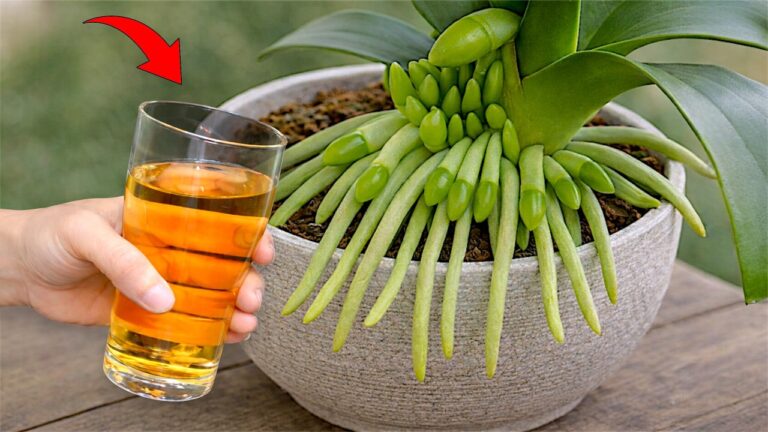
One effective way to enhance blooming is through a simple application approach. This method focuses on using a specific nutrient blend at the right time.
1. Selecting the Right Fertilizer
Use a fertilizer designed specifically for orchids. Look for one with a balanced N-P-K ratio (Nitrogen-Phosphorus-Potassium). A 30-10-10 ratio is often recommended during the growing season.
2. Timing Your Application
- Start fertilizing your orchids when new growth appears, usually in spring.
- Apply your nutrient blend monthly during the growing season.
- Reduce to every 6-8 weeks in winter when the plant’s growth slows.
3. Demonstrating the Application
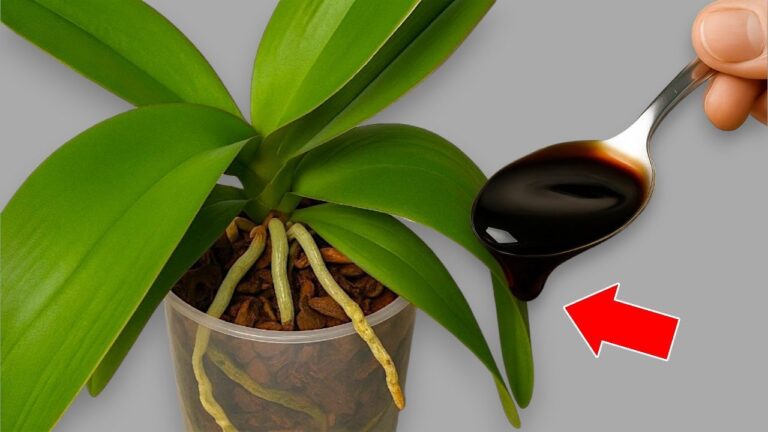
Mix the fertilizer according to the label instructions. Pour the mixture over the soil, avoiding the leaves. This will allow for optimal absorption while preventing potential leaf burn.
Maintenance Tips for Continuous Blooms
Once you’ve mastered the application method, ensure your orchids maintain their beauty with a few helpful tips.
1. Regular Watering
Water your orchids every 1-2 weeks, depending on humidity and temperature. Ensure that the potting media dries out slightly between waterings for optimal health.
2. Deadheading Flowers
If flowers begin to wilt, gently cut them off at the base of the stem. This encourages the plant to redirect energy towards new blooms and overall growth.
3. Re-potting When Necessary
Every couple of years, consider re-potting your orchid if the roots have outgrown their container. Fresh potting media can provide necessary nutrients and help maintain moisture levels.
Common Mistakes to Avoid
Despite your best efforts, there are several common pitfalls to avoid when caring for your orchids.
1. Overwatering
One of the most common mistakes is overwatering. Ensure that the potting medium dries out slightly between waterings to prevent root rot.
2. Neglecting Light Needs
Failing to provide adequate light can stunt growth and limit blooms. Regularly assess the light conditions and adjust the plant’s location as needed.
3. Using Incorrect Fertilizer
Using fertilizer not formulated for orchids may harm your plants. Stick to products specifically made to support orchid health for the best results.
FAQ
What type of light is best for orchids?
Orchids thrive in bright, indirect light. You can use sheer curtains to filter direct sunlight.
How often should I fertilize my orchids?
Fertilize your orchids once a month during the growing season and reduce frequency in winter to every 6-8 weeks.
What should I do if my orchid isn’t blooming?
If your orchid isn’t blooming, assess its light, humidity, and temperature conditions. Adjusting these factors can often encourage blooming.
Conclusion
By mastering the right application method and understanding the necessary conditions, you can enjoy beautiful blooms from your orchids all year round. What challenges have you faced with your orchids, and how did you overcome them? Feel free to share your experiences in the comments below!