9 Essential Soil Amendments for Thriving Vegetable Gardens
9 Essential Soil Amendments for Thriving Vegetable Gardens
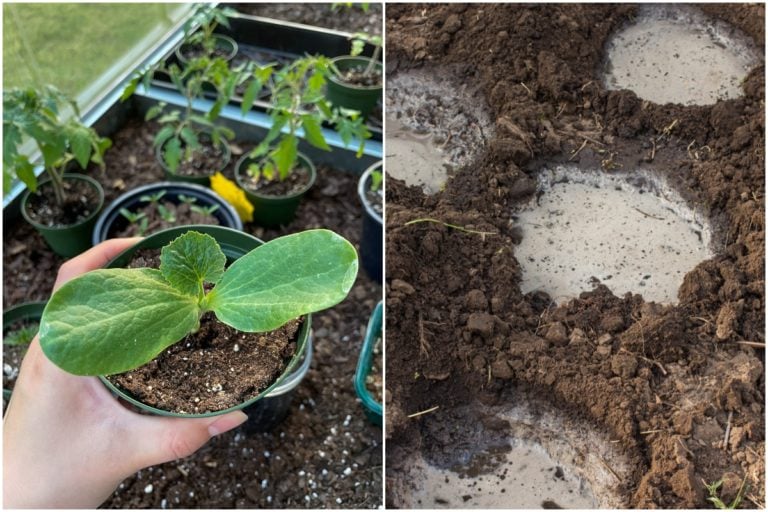
It’s the perfect time to plant your seedlings in the garden! Whether you nurtured them over the past few months or purchased starter packs from a local nursery, don’t rush into planting just yet. Before you dig that hole, consider the importance of soil amendments to enhance your garden’s productivity.
The Benefits of Amending Planting Holes
Many gardeners concentrate on care and fertilization after planting. However, enriching the holes where your seedlings will reside can provide lasting benefits that support healthy growth throughout the season. Here’s why you should amend your planting holes:
- Provides an immediate nutrient boost for new transplants
- Reduces transplant shock and helps plants establish quickly
- Protects against certain pests and diseases
- Corrects local soil pH issues
- Enhances drought resistance in plants
- Delivers slow-release nutrients exactly where needed
- Increases nutrient accessibility for plants
- Helps prevent leggy seedlings
Prepping Seedlings for Transplant
Preparing your seedlings for their new home is crucial. Hardening off your plants is essential to minimize transplant shock. Gradually acclimate your seedlings to outdoor conditions over several days to ensure a seamless transition.
Consider factors like weather and the ideal time of day for transplanting. For more detailed guidance, check out our guide on successfully transplanting seedlings outdoors.
Soil Amendments to Enhance Your Garden
This planting season, think of each hole you dig as an opportunity. While compost is a common amendment, there are numerous other beneficial additions you can make. Here are the top nine soil amendments to consider:
1. Compost
Compost is the quintessential soil amendment, improving soil structure and health over time. While it’s not a concentrated fertilizer, it adds organic material that enriches the soil slowly. For faster results, try the Berkeley composting method.
2. Leaf Mold
Leaf mold serves a similar purpose as compost. By letting leaves decompose, you create a carbon-rich matter that retains moisture and releases nutrients as it breaks down, benefiting your garden’s microbiome.
3. Worm Castings
Worm castings, often regarded as a magical soil amendment, improve moisture retention and soil structure while providing slow-release nutrients. They help combat pests and promote healthy plant growth.
4. Mycorrhizae
Adding mycorrhizae fungi to your planting holes significantly enhances root growth and nutrient uptake. This symbiotic relationship allows plants to thrive while becoming more resilient to drought and diseases.
5. Blood Meal
As an excellent slow-release fertilizer, blood meal offers a concentrated source of nitrogen, vital for plants like tomatoes. This amendment is a great choice for addressing nitrogen deficiencies in your soil.
6. Bone Meal
Bone meal is high in phosphorus, essential for root development and flowering. It’s particularly beneficial for root crops like potatoes and flowering plants, promoting healthy growth throughout the season.
7. Epsom Salt
Rich in magnesium, Epsom salt aids in chlorophyll production and can help seedlings recover from transplant shock. This amendment is especially useful for nutrient-hungry plants like tomatoes and peppers.
8. Eggshells
Crushed eggshells are a practical source of calcium and can help balance soil pH. Sprinkle them in the holes for fruit-bearing plants, but avoid them for acid-loving species.
9. Wood Ash
Wood ash helps correct overly acidic soil while providing other benefits. With its traces of charcoal, it increases surface area for beneficial soil microbes, aiding in nutrient retention for your plants.
Conclusion
Amending your soil is a simple yet powerful way to boost your vegetable garden’s success. By integrating these nine essential amendments into your planting process, you’ll give your seedlings the best chance to thrive. Enjoy the fruits of your labor all season long!