Solve Window Condensation for Just 50 Cents: Here’s How!
Solve Window Condensation for Just 50 Cents: Here’s How!
Window condensation can be a common issue in many homes, leading to various problems that may affect both your health and your home’s integrity. Luckily, there’s an affordable solution that only costs 50 cents! Let’s explore how to tackle this pesky problem.
Understanding Window Condensation
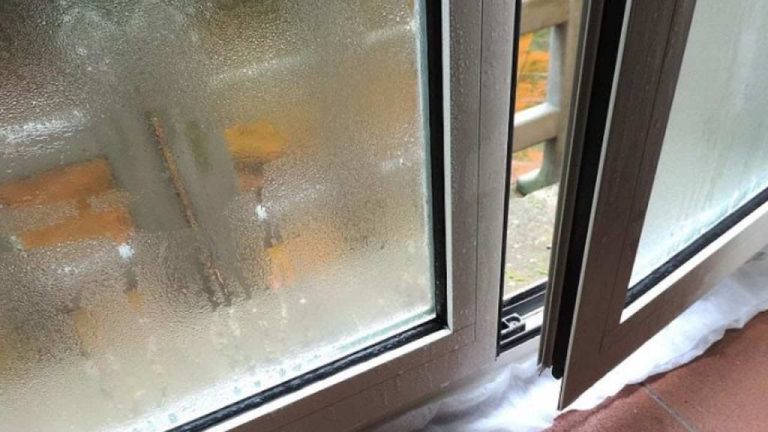
Window condensation occurs when warm, humid air inside a house comes into contact with a cold window. The moisture in the warm air condenses on the chilly surface of the glass, forming droplets of water.
This condensation can lead to undesirable issues such as mold and mildew, which can damage windows and pose health risks for residents. Additionally, it can harm the walls and ceilings near the windows, as well as the floors beneath.
Preventing Window Condensation
To prevent condensation from forming on your windows, it’s vital to maintain an appropriate indoor humidity level. Using a humidifier or dehumidifier can be beneficial in this regard. Proper ventilation is also crucial, which can be achieved by opening windows or utilizing exhaust fans to circulate air. Furthermore, using curtains or lowering blinds at night can help reduce condensation within your home.
The 50-Cent Solution
During colder months, windows often face this annoying problem that may not be easy to eliminate. Fortunately, there are effective solutions available.
Condensation on windows is common and can quickly lead to dampness, mold, and an unsightly appearance. However, we can rely on a simple product that’s likely on your kitchen counter.
How can you eliminate window condensation? With baking soda, a common yet versatile kitchen ingredient that is ideal for combating this issue.
Here’s how to use it: Dissolve a teaspoon of baking soda in a cup of warm water. Next, dip a soft, clean cloth into the solution and gently wipe the glass. Finally, remove any residue with a slightly damp cloth. A final wipe, and your home’s windows will be sparkling clean!
Tips to Prevent Foggy Windows
There are several strategies to keep your windows from fogging up:
- Ensure proper ventilation by opening windows or using exhaust fans.
- Maintain adequate humidity levels indoors and make sure windows are well insulated, blocking any cold outside air from contacting the warm air inside.
- Create thermal space between the windows and surrounding walls to prevent warm air from condensing on cold surfaces.
- Avoid placing heat sources, such as radiators, directly near windows, as this can lead to fogging.
- Regularly clean your windows to remove dust and dirt that may contribute to fogging.
It’s worth noting that older windows and doors may be less efficient, making it harder to insulate your home against cold drafts. If your windows are particularly old, consider investing in new double-glazed windows and proper seals.
Indoor Plants to Reduce Window Condensation
Indoor plants can help prevent window condensation, as they absorb moisture from the air and help maintain proper humidity levels in your environment.
Some plants particularly effective at reducing indoor humidity include:
- Aloe Vera: Known for its ability to absorb moisture and easy care.
- Pothos: Highly efficient at eliminating humidity and thrives even in low light conditions.
Keeping some of these plants indoors can assist in maintaining an adequate humidity level, thereby preventing condensation on windows.
Conclusion
In conclusion, window condensation is a manageable issue that can lead to serious problems if left untreated. By understanding its causes and implementing the affordable solution of baking soda, along with preventive measures like proper ventilation and indoor plants, you can keep your windows clear and your home healthy. Don’t let condensation dampen your spirits—take action today!