Master Cabbage Loopers: Tips to Identify and Control These Pests
Master Cabbage Loopers: Tips to Identify and Control These Pests
Cabbage is a staple vegetable for any home garden, renowned for its robust nature and the crunchy goodness it provides in just about two months. Yet, cabbage growers often face significant challenges, particularly from cabbage loopers—caterpillars that love to feast on cabbage leaves and other Brassicaceae family members like cauliflower, kale, and brussels sprouts. The damage they inflict can hinder growth and may even render your plants inedible. Fortunately, there are natural and effective methods to control these pests.
What is a Cabbage Looper?
Identification
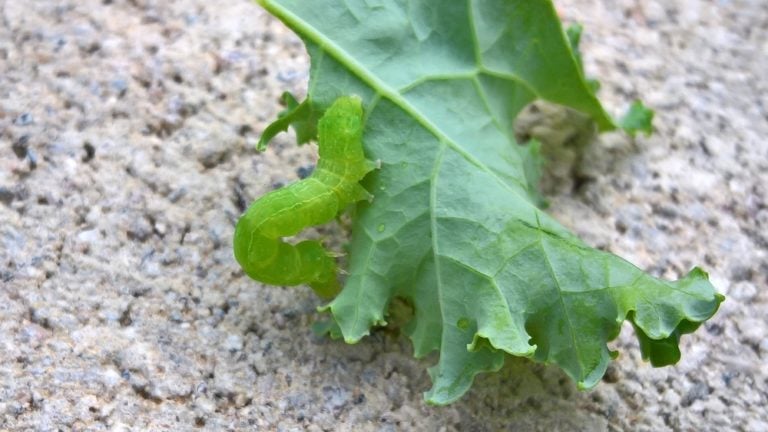
The cabbage looper is a small caterpillar that can easily be overlooked among the green leaves of your cabbage. They typically grow to about 1 to 1.5 inches long and are identifiable by their unique, looping movement. As they crawl across leaves, they arch their backs, giving them a distinctive look.
Adult loopers lay yellow-white, dome-shaped eggs with ridged patterns on the undersides of leaves, where they usually hatch within a week into larvae. Initially, these larvae are almost transparent with black heads, but they grow green with white stripes as they mature, resembling a narrow cigar.
Adult cabbage looper moths can be recognized by their mottled gray coloration and uniquely marked wings, which feature a silver spot and a ‘V’, ‘Y’, or ‘8’-shaped mark.
The Damage
Although you might not spot the loopers right away, the damage they cause is unmistakable. Young larvae tend to feed on younger, lower leaves, creating small, jagged holes, while older loopers prefer larger leaves, often consuming the tissue between the veins. If left unchecked, the plants can suffer skeletonization and defoliation.
Occasionally, these pests may burrow into cabbage heads and leave behind feces that discolor the plant. If infestations are ignored, your crops may experience stunted growth and fail to produce heads, rendering them unfit for consumption.
7 Ways to Control Cabbage Loopers
1. Manual Removal
The simplest and safest method for managing cabbage loopers is manual removal. Equip yourself with gardening gloves and inspect your plants, particularly during the cooler times of day like early morning or late evening.
- Handpick the caterpillars and either crush them or place them in a jar of soapy water.
- Regularly check for and scrape off eggs on the undersides of leaves to prevent larvae from hatching.
2. Row Covers
Utilizing floating row covers is an effective way to keep cabbage looper moths away from your crops. These covers protect not only from cabbage loopers but also other pests and harsh environmental conditions.
- Row covers can be purchased or homemade using shade cloth and PVC piping.
3. Choose Colorful Cabbages
Brightly colored vegetables may deter green and pale pests. Red and purple varieties may contain anthocyanin, which is mildly toxic to caterpillars, potentially keeping them at bay.
4. Companion Planting and Beneficial Insects
Enhancing biodiversity through companion planting can help deter cabbage loopers.
- Plant trap crops like nasturtiums to attract cabbage moths away from your cabbages.
- Introduce beneficial insects such as ladybugs, spiders, and small birds that prey on cabbage loopers.
- Consider parasitic wasps, which lay eggs in or on caterpillars, ultimately leading to their demise.
5. Practice Good Garden Hygiene
Good garden hygiene is essential for preventing cabbage looper infestations. Regularly clear away plant debris and weeds to minimize potential breeding grounds for pests.
6. Bacillus thuringiensis (B.t)
Bacillus thuringiensis, often called Bt, is a natural bacterium found in soil. It’s highly effective against caterpillars, including cabbage loopers, by producing a toxin that affects their ability to feed.
- Available in sprays or concentrates, Bt is safe for edible plants and easy to apply.
7. Neem Oil
Neem oil is a popular natural insecticide that repels many pests, including cabbage loopers. It forms a protective layer on plants and can prevent looper eggs from hatching.
- To make your own neem oil spray, mix two cups of water with one tablespoon of neem oil in a spray bottle, and focus on the undersides of leaves.
Conclusion
Handling cabbage loopers is crucial for protecting your vegetable harvest. By employing easy, natural strategies such as handpicking, using row covers, and introducing beneficial insects, you can effectively manage these pests. In addition, organic sprays like Bt and neem oil can help safeguard your crops without harming the rest of your garden. With these methods, you can keep your cabbages healthy and thriving.