
7 Fast Spring Tasks for a Bountiful Summer Strawberry Harvest
7 Fast Spring Tasks for a Bountiful Summer Strawberry Harvest
As the first sunny days of spring arrive, it’s time to awaken your garden and prepare for a fruitful season of tomatoes, carrots, fresh rhubarb, and, of course, strawberries. With just a bit of effort, you can ensure a bountiful strawberry harvest come summer.
1. Remove Old Mulch & Put Down New
In the fall, mulching protects strawberry plants from harsh winter conditions. However, as spring arrives, it’s crucial to remove this layer to allow sunlight and fresh air to nourish your plants. Leaving wet mulch in place can invite mold and disease.
Be cautious, though—removing the mulch too early can expose blooms to frost, potentially causing strawberry black eye. This happens when frost damages the reproductive parts of the flower, resulting in a black dot that signifies a bloom that won’t bear fruit. To protect your plants from late frosts, consider using a row cover or fresh straw.
2. Trim Dead Foliage
Now is the perfect time to refresh your strawberry plants by trimming away dead runners and old leaves. Be careful not to disturb any new growth, as removing debris helps prevent bacteria and disease while giving fresh leaves room to thrive.
3. Apply Spring Fertilizer
Fertilizing early in the growing season can boost plant health, but it’s important to tailor your approach based on the type of strawberries you grow:
- June-bearing: Wait to fertilize until after mid-summer, once fruiting has ceased. Fertilizing too early may result in lush foliage but few berries. Newly planted June-bearing strawberries benefit from an all-purpose 10-10-10 fertilizer.
- Ever-bearing: These strawberries thrive with early spring and late summer fertilization using a balanced 10-10-10 fertilizer. Liquid fertilizer is especially effective, allowing for immediate nutrient uptake.
4. Weed Your Strawberry Patch
Now is the best time to tackle weeds while they are still young and easily pulled from the ground. Weeds can compete for vital nutrients, hindering your strawberries’ growth and health.
5. Thin Out and Replace Older Plants
To maintain a productive strawberry patch, replace older plants every few years. Strawberry plants yield the most fruit in their first 3-4 years, so pulling older plants and replanting with new ones is essential for continual production. Keep a note in your garden planner to track which plants need replacing.
6. Grow New Strawberries on the Cheap
A benefit of having a strawberry patch is that it can produce new plants for free through runners. Trim these runners in spring to direct plant energy toward fruit production. After the harvest season, let the runners grow to propagate new plants.
7. Companion Planting
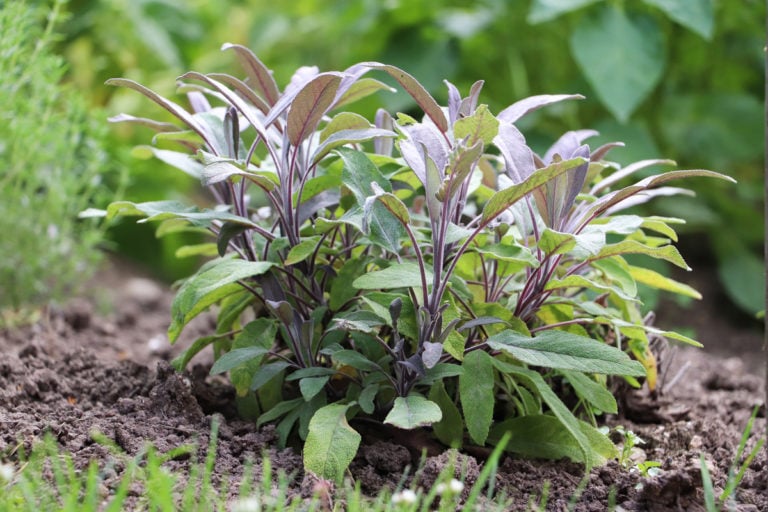
Companion planting can enhance your strawberry patch by introducing beneficial plants that attract pollinators and deter pests. Consider surrounding your strawberries with flowering plants like borage, catnip, yarrow, sage, and thyme.
Starting a Strawberry Patch
If you haven’t yet established your strawberry patch, check out our comprehensive guide on how to plant a strawberry patch that will yield fruit for decades.
Conclusion
By following these simple spring tasks, you’ll be well on your way to a plentiful summer strawberry harvest. With just a little effort now, you’ll soon enjoy delicious products like strawberry shortcake. Plus, don’t forget to prepare your blueberry bushes and rhubarb for the season to maximize your garden’s potential!