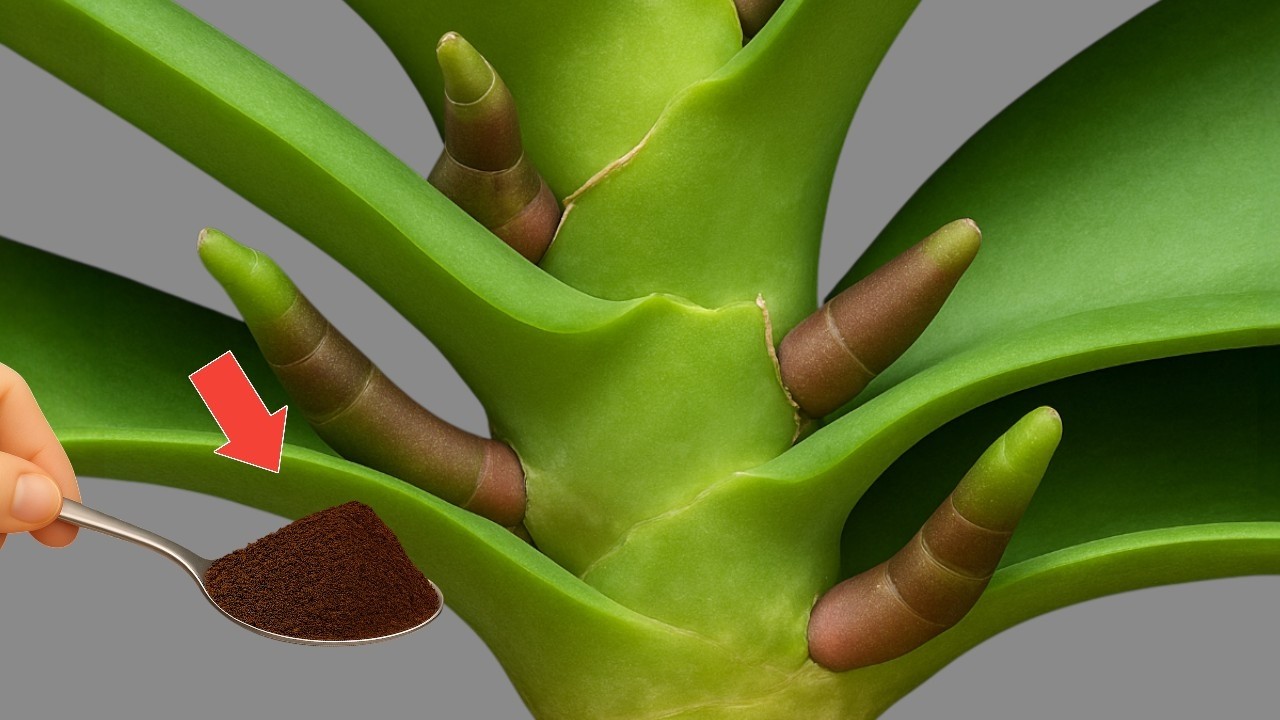
Revive Your Orchids: 5 Tips for New Roots and Flowers in Just 1 Week!
Revive Your Orchids: 5 Tips for New Roots and Flowers in Just 1 Week!
- Understanding Your Orchid’s Needs
- Creating the Right Environment
- Water and Nourishment for Recovery
- Common Mistakes to Avoid
- Frequently Asked Questions
If your orchid seems to be wilting or stuck in a period of dormancy, you might feel a mix of concern and helplessness. You want to see those beautiful flowers return and the roots thrive again. The good news is that with a few carefully considered strategies, you can help your orchid bounce back in just a week. Keep reading to find out the best techniques for revitalizing your orchid.
Understanding Your Orchid’s Needs
Before you can effectively revive your orchid, it’s crucial to understand its basic requirements. Orchids are unique plants that thrive under specific conditions. Here are some key factors you should consider:
1. Light Requirements
Orchids usually prefer bright, indirect light. Direct sunlight can scorch their leaves, while too little light can stunt their growth. Place your orchid near a window but avoid direct sun exposure.
2. Temperature Preferences
Most orchids thrive in temperatures between 65°F and 75°F during the day and around 60°F at night. Keep your plants away from cold drafts or drastic temperature changes.
3. Air Circulation
Good air circulation is essential for orchids. Stagnant air can lead to mold growth or root rot. Positioning a fan nearby may help, or simply ensure there’s enough natural ventilation.
Creating the Right Environment
Once you understand your orchid’s basic needs, it’s time to create an environment that supports its recovery.
1. Choosing the Right Potting Mix
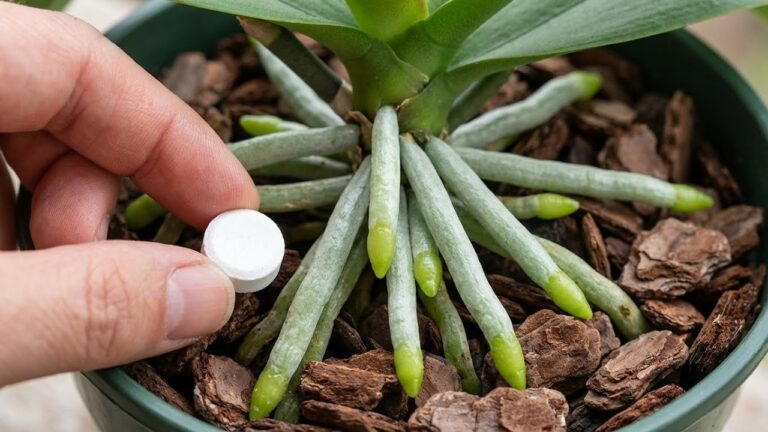
Using an appropriate potting mix can make a significant difference. Look for bark-based potting media designed specifically for orchids. This kind of mix promotes drainage, allowing roots to breathe.
2. Potting Your Orchid
- Gently remove your orchid from its pot.
- Trim away any dead or rotting roots with sterilized shears.
- Repot your orchid in fresh potting mix, ensuring the roots are adequately spaced.
3. Providing Humidity
Orchids enjoy humidity levels of around 40-70%. You can increase humidity by placing a tray filled with water and pebbles beneath your orchid pot. This allows moisture to evaporate without water touching the pot directly.
Water and Nourishment for Recovery
Proper watering and feeding are essential for revitalizing your orchid.
1. Understanding Watering Needs
Allow the top inch of the potting mix to dry out before watering again. You can check this by sticking your finger into the mix. Overwatering can lead to root rot, while underwatering can cause stress.
2. Fertilizing for Growth
Use a balanced orchid fertilizer diluted to half strength. Apply it every other week during the growing season and once a month during dormancy. This provides essential nutrients without overwhelming your plant.
3. Signs of Success
Within a week of implementing these changes, you should notice new growth, such as roots sprouting or flower buds forming. Keep an eye on the overall health of your orchid during this period.
Common Mistakes to Avoid
To successfully revive your orchid, be aware of these common pitfalls:
- Overwatering: This is one of the most common mistakes. Always check if the potting mix is dry before giving additional water.
- Ignoring Light Needs: Adjust the location if the leaves turn yellow or brown, as this could indicate too much direct sun.
- Neglecting Fertilization: Orchids need nutrients like any other plant. Skipping fertilization can stunt their growth.
- Using a Incorrect Potting Mix: Don’t use regular potting soil; it doesn’t provide the drainage orchids require.
- Failing to Monitor Humidity: Lack of humidity can stress your orchid. Use a humidity tray or mist lightly when needed.
Frequently Asked Questions
How often should I water my orchid? Most orchids prefer to dry out slightly between waterings, roughly once a week or when the top inch of the potting mix feels dry.
Can I use regular plant food for my orchid? It’s best to use a fertilizer designed specifically for orchids as it contains the right balance of nutrients.
What should I do if my orchid doesn’t flower? Ensure it has adequate light, humidity, and nutrients. It might also be resting and simply needs more time.
Reviving your orchid requires just a bit of understanding and patience. By following the tips outlined here, you can encourage new roots and flowers to flourish in under a week. Have you ever revived an orchid? Share your experiences in the comments!