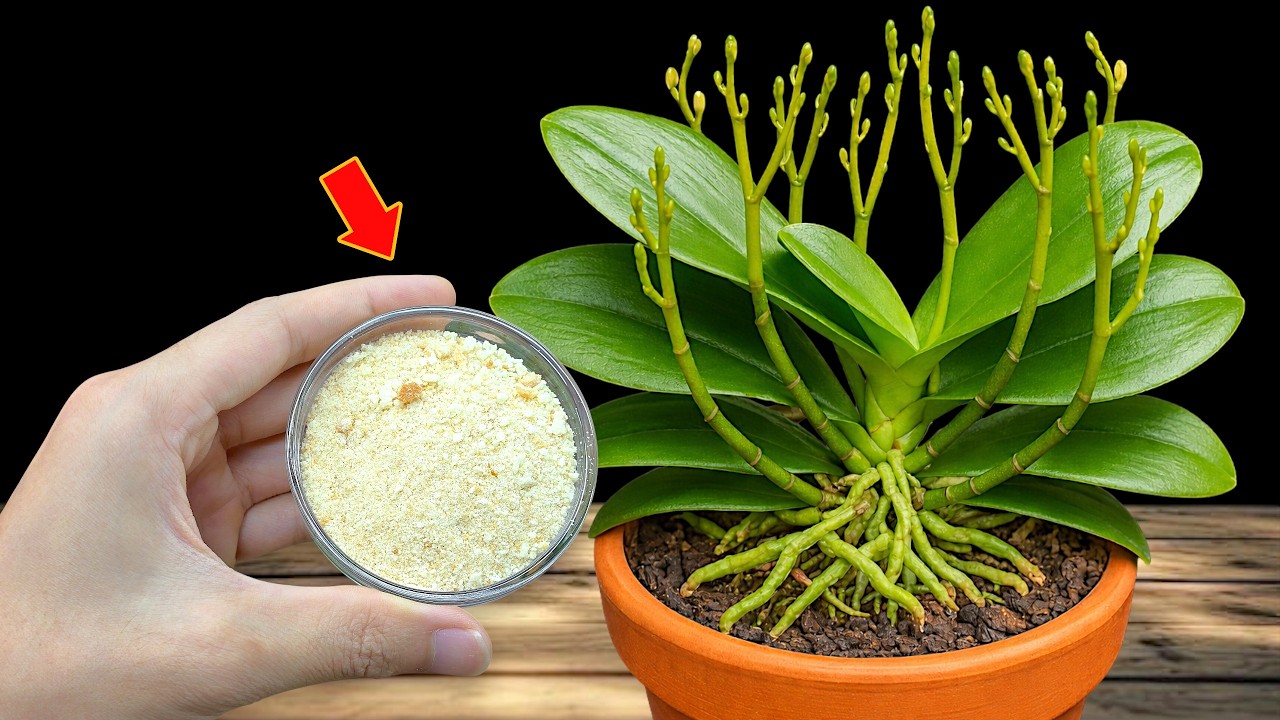
Instantly Grow 100 Orchid Branches with This Simple Trick for Year-Round Blooms!
How to Grow Orchid Branches for Year-Round Blooms
- Understanding Orchids
- Creating the Ideal Environment
- Effective Growing Techniques
- Common Mistakes to Avoid
- FAQ
Understanding Orchids
Orchids are known for their stunning beauty, yet many find them challenging to grow. You may have noticed that some orchids bloom beautifully while others seem lackluster despite your best efforts. Understanding the nature of orchids is the first step to successful cultivation. This section will help you grasp their unique requirements, which can lead to flourishing branches and abundant flowers.
1. Types of Orchids
There are over 25,000 species of orchids, each with specific needs. Some popular varieties include:
- Phalaenopsis (Moth Orchid) – Great for beginners due to its resilience.
- Cattleya – Known for vibrant colors and fragrant blooms.
- Dendrobium – Easy to grow and offers multiple blooms.
2. Orchid Lifecycles
Understanding the lifecycle of your orchid can help you nurture it better. Most orchids experience a cycle of growth and dormancy, with a rest period that is essential for blooming.
Creating the Ideal Environment
By providing the right conditions, your orchids can thrive and bloom year-round. Here are key factors to consider:
1. Light Requirements
Orchids thrive in bright, indirect light. Placing them near a window with filtered sunlight is ideal. Avoid direct sunlight, as it can scorch the leaves.
2. Temperature and Humidity
Maintain a temperature range of 65°F to 75°F (18°C to 24°C) during the day and slightly cooler at night. Orchids also enjoy humidity levels of 40-70%. Consider using a humidifier or placing a tray of water and pebbles underneath your pots.
Effective Growing Techniques
Putting the right techniques into practice can drastically improve the health of your orchids. Here are some methods to consider:
1. Choosing the Right Medium
Orchids require a special potting mix for optimal growth. A mix of bark, sphagnum moss, and perlite provides excellent drainage. Avoid using regular potting soil, as it retains too much moisture.
2. Watering Techniques
- Check the roots: Water only when the potting medium is dry to the touch.
- Watering method: Water thoroughly until it drains from the bottom of the pot.
- Frequency: This usually means watering every 1-2 weeks, depending on your environment.
3. Fertilizing Tips
Use a balanced orchid fertilizer every 2-4 weeks, diluted to half strength. This encourages strong growth and vibrant blooms. Look for fertilizers designed specifically for orchids.
Common Mistakes to Avoid
Even the most passionate gardeners can make mistakes. Here are common pitfalls to watch for:
1. Incorrect Watering
Over-watering is a prevalent issue that can cause root rot. Ensure your pots have drainage holes to allow excess water to escape.
2. Neglecting Light Needs
Too much or too little light can hinder blooming. Regularly assess your orchids to ensure they’re receiving proper lighting conditions.
3. Fertilizer Overload
Over-fertilizing can harm your orchid. Follow the recommended guidelines and skip feeding during the dormant period.
FAQ
Q: How often should I repot my orchids?
A: Repotting is generally recommended every 1-2 years, or when the potting medium breaks down.
Q: Why isn’t my orchid blooming?
A: It may need more light, or it could be in its dormant phase. Ensure it has the right conditions for reblooming.
Q: Can I grow orchids outdoors?
A: Yes, but only in suitable climates. Most orchids prefer indoor conditions or a controlled outdoor environment.
Conclusion
Growing orchid branches for year-round blooms requires understanding their unique needs and careful attention to environment and care. With the right practices, you can enjoy these beautiful flowers consistently. What tricks have you found helpful in your orchid care journey? Share your experiences in the comments below!