10 Secrets to Transform Your Orchid with These Magical Tips
10 Tips to Transform Your Orchid Care Routine
- Understanding Orchids
- Creating the Ideal Environment
- Effective Watering Techniques
- Fertilization Tips for Healthy Growth
- Common Mistakes to Avoid
- FAQ
Are you struggling to keep your orchid thriving? Many people find themselves facing this challenge, often feeling frustrated when their beautiful plants don’t bloom as expected. You may have tried various techniques, yet still feel unsure about how to provide the best care for your orchids. Understanding their specific needs can help you achieve the vibrant blossoms you desire. Continue reading to discover essential tips for transforming your orchid care routine.
Understanding Orchids
Orchids are unique plants that require specific conditions to flourish. Knowing their characteristics can significantly enhance your care techniques.
1. Types of Orchids
- Phalaenopsis: Known for their long-lasting flowers and ease of care.
- Cattleya: Famous for fragrant blooms and vibrant colors.
- Dendrobium: Features varying growth patterns and can thrive indoors or outdoors.
2. Orchid Growth Phases
Orchids generally progress through three growth phases: active growth, dormancy, and flowering. This cycle often determines their water and nutrient needs.
During active growth, ensure your orchid receives adequate nutrients for strong foliage. In dormancy, reduce watering to prevent rot.
Creating the Ideal Environment
The right environment can make all the difference for your orchids. Consider the following factors to enhance their growth.
1. Light Requirements
Orchids thrive in bright, indirect light. Position them near windows with filtered light or use grow lights if natural sunlight is insufficient.
2. Humidity Levels
A humidity level of 50-70% is ideal for orchids. Placing a tray of water with pebbles under your plant can help maintain moisture without waterlogging the roots.
Effective Watering Techniques
Proper watering is critical for your orchid’s health. Here are some helpful techniques you can implement.
1. Watering Frequency
Generally, water your orchids every 1-2 weeks. However, adjust the frequency based on the season and specific needs of your orchid type.
2. Proper Watering Method
- Soak the pot in water for about 10 minutes.
- Let excess water drain completely.
- Avoid letting the roots sit in water to prevent rot.
Fertilization Tips for Healthy Growth
Providing the right nutrients plays a vital role in the health of your orchids. Keep these tips in mind for optimal fertilization.
1. Type of Fertilizer
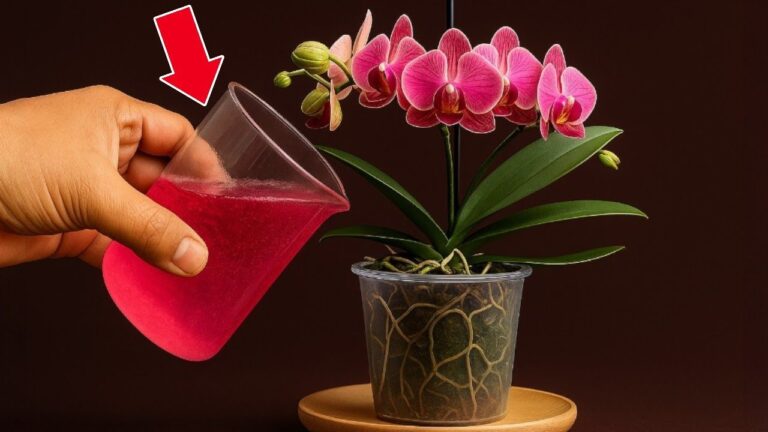
Use a balanced fertilizer specifically formulated for orchids. Look for one that contains equal parts nitrogen, phosphorus, and potassium.
2. Fertilization Schedule
- Fertilize your orchids every 4-6 weeks during their active growth phase.
- Reduce fertilization frequency during dormancy.
Common Mistakes to Avoid
Even experienced orchid caretakers make mistakes. Avoid these common pitfalls to keep your plants healthy.
1. Overwatering
This is a leading cause of orchid death. Ensure that you allow the potting medium to dry slightly between watering sessions.
2. Improper Lighting
Direct sunlight can scorch leaves, while inadequate light can hinder blooming. Monitor your plant’s positioning regarding light exposure.
3. Neglecting Potting Medium
Orchids thrive in well-draining media, such as bark or sphagnum moss. Monitor the condition of your potting mix and replace it every couple of years.
FAQ
How often should I water my orchid?
Typically, orchids should be watered every 1-2 weeks, but this may vary based on humidity and the type of orchid.
Do orchids require direct sunlight?
No, orchids prefer bright, indirect light to avoid leaf scorch while promoting healthy blooms.
Can I use regular houseplant fertilizer on orchids?
It is not recommended. Use a fertilizer specifically formulated for orchids, as they require different nutrient ratios.
In summary, taking proper care of your orchids involves understanding their specific needs, creating an ideal environment, and implementing effective watering and fertilization techniques. What changes will you apply to improve your orchid care routine? Feel free to share in the comments below!