
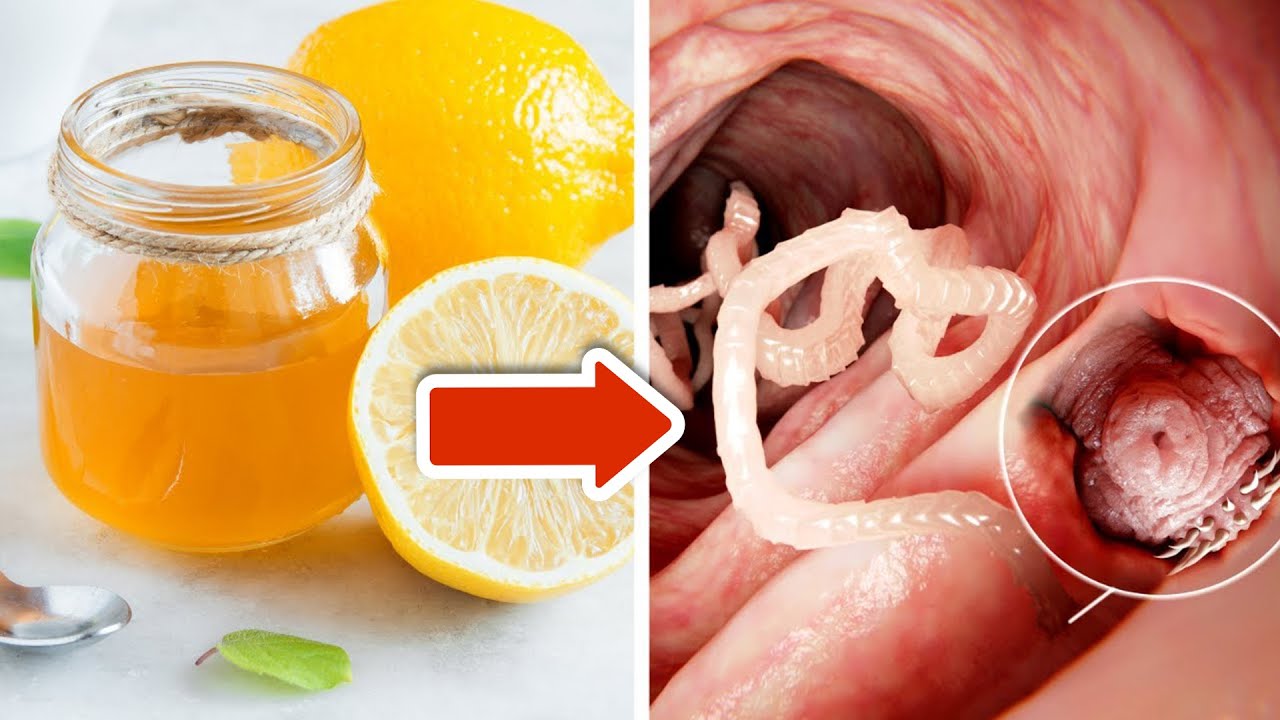
Banish Worms with 1 Simple Trick: Lemon Peel and Honey Combo That Works Every Time!
Banish Worms with Lemon Peel and Honey: A Natural Approach
- Introduction
- Understanding Worms in Your Garden
- Benefits of Lemon Peel and Honey
- How to Make the Repellent
- Application Tips for Effective Use
- Common Mistakes to Avoid
- FAQ
- Conclusion
Introduction
As you tend to your garden, you might notice that some of your plants are looking less vibrant than usual. Perhaps you’ve spotted a few pesky worms feasting on your greens, leading to frustration and worry about the health of your garden. These intruders can quickly devastate your hard work, leaving you searching for effective methods to keep them at bay without resorting to harsh chemicals. Discovering a natural solution might just be the answer you need.
Understanding Worms in Your Garden
Before tackling the issue of worms, it’s important to identify which types you might be dealing with. Knowing their habits and the harm they can cause will help take effective action.
1. Common Types of Garden Worms
- Cutworms: These caterpillars can cut young plants at the soil level.
- Leafworms: They target foliage and can quickly decimate leafy greens.
- Rootworms: These pests feed on the roots, hindering plant growth.
2. Signs of Infestation
Look for signs such as damaged leaves and irregular holes in foliage. You may also find droppings or the worms themselves hiding beneath the soil surface.
3. The Importance of Addressing Infestations
Left unchecked, worms can lead to poor plant health, diminished yields, and even plant death. Understanding this is crucial for any gardener determined to maintain a thriving garden.
Benefits of Lemon Peel and Honey
Turning to natural remedies can provide a safe and effective solution for your worm problem. The combination of lemon peel and honey is not just easy to make; it brings several advantages.
1. Natural Repellents
Lemon peel contains citric acid, which is known to deter various pests, including worms. When paired with honey, which offers stickiness, the mixture creates an unpleasant environment for unwanted visitors.
2. Eco-Friendly Option
Using natural ingredients reduces chemical runoff and promotes a healthier ecosystem in your garden. This method is safe for plants, beneficial insects, and the surrounding environment.
3. Easy to Prepare
Another appeal of this natural remedy is how simple it is to prepare. You won’t need complicated instructions or hard-to-find ingredients.
How to Make the Repellent
Creating your own worm-repelling spray using lemon peel and honey is straightforward. Follow these steps to ensure you have an effective formula.
1. Gather Your Materials
- Collect: 2 ripe lemons, 2 tablespoons of honey, and 1 cup of water.
- Prepare: Peel the lemons, ensuring you have enough zest.
2. Mix the Ingredients
- Combine: In a container, mix the lemon peels, honey, and water.
- Stir: Ensure the honey is fully dissolved in the water.
3. Infuse and Strain
- Let: The mixture sit for 24 hours to infuse and enhance potency.
- Strain: After infusion, filter the liquid into a spray bottle, discarding the peels.
Application Tips for Effective Use
To maximize the efficacy of your lemon peel and honey repellent, consider these application tips.
1. Ideal Timing
Apply the repellent early in the morning or late in the afternoon when pests are most active. This increases the chances of encountering and repelling worms effectively.
2. Frequency of Application
Regular reapplication, especially after rain or watering, ensures the protective barrier remains intact. Aim to apply every 1-2 weeks for best results.
3. Targeted Application
- Focus: Spray directly onto areas where worms have been spotted.
- Cover: Ensure both the tops and undersides of leaves are covered for maximum protection.
Common Mistakes to Avoid
When using your lemon peel and honey repellent, avoid these common missteps to achieve better results.
1. Neglecting Regular Maintenance
Failing to reapply the mixture as needed can give worms the opportunity to return. Establish a consistent schedule for application.
2. Overdiluting the Mixture
Using too much water can dilute the effectiveness of the repellent. Stick to the suggested measurements for best results.
3. Ignoring Other Signs of Infestation
Focusing solely on the repellant without checking for other pests might cause further damage. Regular home gardening assessments are crucial.
FAQ
Can I use this method on all vegetables?
Yes, the lemon peel and honey repellent is safe for a variety of vegetables. However, always test on a small section first.
How long does the mixture last?
Once prepared, the mixture can be stored in the refrigerator for about a week, maintaining its effectiveness.
Is it safe for pets and children?
This natural remedy is generally safe, but it’s always good to supervise pets and children during applications to avoid ingestion.
Conclusion
Utilizing lemon peel and honey as a natural repellent offers an effective method to keep worms at bay while promoting a healthy garden. Regularly applying this solution can make a significant difference in your plant’s robustness. What natural pest solutions have you tried in your own garden? Share your experiences in the comments below!