10 Essential Tips for Growing Orchids in Plastic Bottles That Bloom Forever
Essential Tips for Growing Orchids in Plastic Bottles That Bloom Forever
- Introduction
- Creating Ideal Conditions for Orchids
- Choosing the Right Plastic Bottles
- Effective Planting Tips for Orchids
- Common Mistakes to Avoid
- FAQ
Introduction
Have you ever walked into a room and been captivated by the vibrant colors and delicate forms of orchids? These beautiful flowers can bring life to any space, but caring for them can sometimes feel like a challenge, especially when considering unconventional planting methods. The thought of utilizing plastic bottles for growing orchids might seem unusual at first, but it opens up opportunities for sustainable gardening and creative recycling. Let’s explore how you can successfully nurture orchids in plastic bottles to enjoy their blooms for an extended period.
Creating Ideal Conditions for Orchids
To successfully grow orchids in plastic bottles, understanding their ideal conditions is key. Orchids thrive in environments that mimic their natural habitats.
1. Light Requirements
- Locate your orchids in bright, indirect light. Too much direct sunlight can scorch their leaves.
- Rotate the bottles every few weeks to ensure even light exposure on all sides.
2. Temperature and Humidity
Orchids typically prefer warm temperatures and high humidity levels.
- Maintain a daytime temperature between 75-85°F (24-29°C).
- Ensure humidity levels are around 50-70% for optimal growth. A small humidifier can help if necessary.
3. Air Circulation
Proper air circulation is crucial for orchids. Stagnant air can lead to fungal diseases.
- Consider using a small fan nearby to promote airflow around your plants.
- Place the bottles in a well-ventilated area.
Choosing the Right Plastic Bottles
The choice of bottle will directly affect the success of your orchid growth. Here are some tips to help you select the right ones.
1. Size Matters
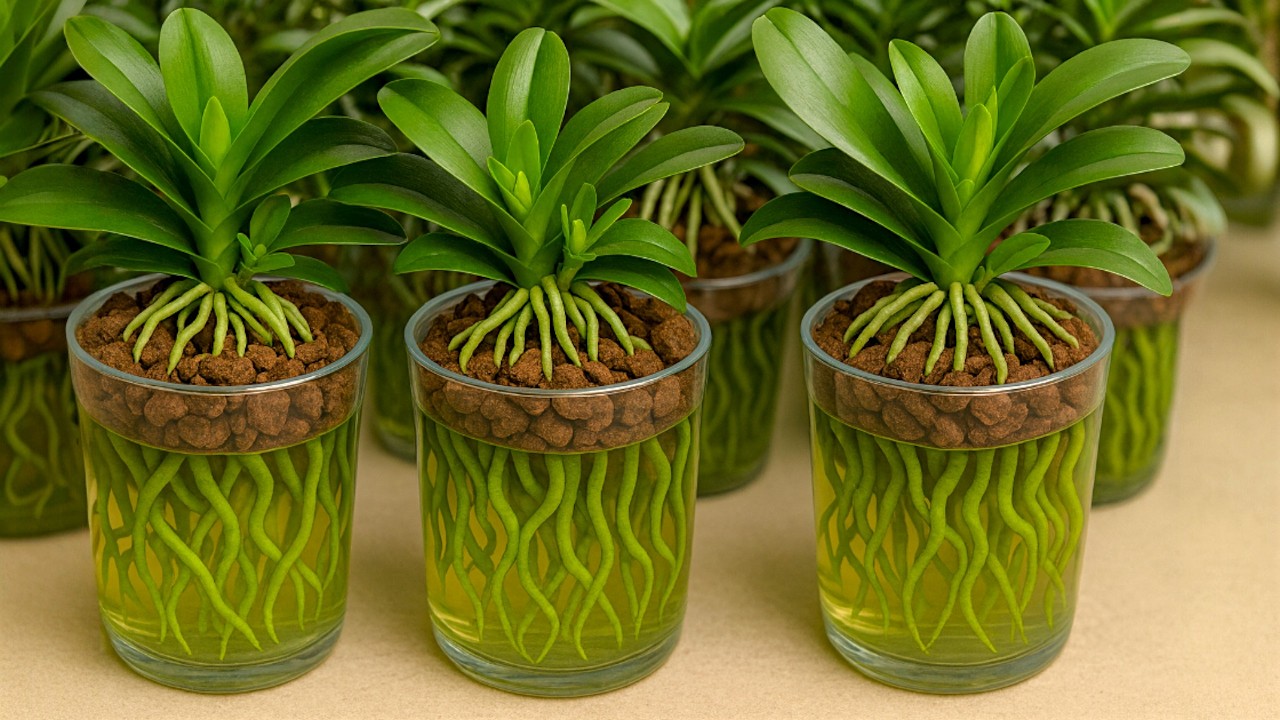
Select bottles that are tall and narrow, which give adequate support to the roots.
- Two-liter soda bottles can be excellent choices due to their height.
- Avoid wide containers that can lead to overwatering.
2. Drainage Holes
Ensure that your bottles have sufficient drainage to prevent waterlogging.
- Use a sharp knife or scissors to create holes at the bottom of the bottle.
- Consider the sides too; a few small holes can enhance drainage and increase air flow.
3. Upcycling Ideas
Get creative with your bottle choices.
- Colorful juice bottles can bring a pop of color to your gardening space.
- Look for bottles with unique shapes to add interest to your indoor garden.
Effective Planting Tips for Orchids
Once you have your bottles and conditions sorted, it’s time to plant your orchids.
1. Choosing the Right Medium
The growing medium is critical for orchid health. Here are your options:
- Consider using a mixture of bark, sphagnum moss, and perlite for optimal drainage and moisture retention.
- A fine orchid potting mix can also be a great choice.
2. Planting Technique
- Fill the bottom of the bottle with your chosen medium.
- Gently place the orchid roots into the bottle, ensuring they are well-centered.
- Cover the roots with more medium, allowing the top of the plant to sit slightly above the rim.
3. Watering Schedule
Watering orchids in a plastic bottle requires attention to detail:
- Water only when the top layer of the medium feels dry to the touch.
- Overwatering is a common mistake; be sure the excess water can drain properly.
Common Mistakes to Avoid
Caring for orchids can be tricky at times. Here are a few mistakes you should avoid to ensure the best results.
1. Ignoring Drainage
Failing to create proper drainage holes is one of the most significant risks. Remember, stagnant water can lead to root rot.
2. Overwatering
Another common mistake is overwatering your orchids. Always check the moisture level before adding more water.
3. Poor Light Conditions
Don’t place your orchids in direct sun for prolonged periods. This can damage their leaves and inhibit blooming.
4. Neglecting Fertilization
Orchids still need nutrients despite being in a recycled medium. Use a diluted liquid orchid fertilizer every few weeks during the growing season.
5. Inflexibility with Temperature
Being unaware of temperature changes can stress your orchids. Keep a thermometer nearby to monitor the environment regularly.
FAQ
What is the best way to water orchids grown in plastic bottles?
Water your orchids when the top layer of the planting medium feels dry. Ensure there’s proper drainage to avoid water accumulation.
How often should I fertilize orchids in plastic bottles?
Fertilize your orchids every few weeks during the growing season using a diluted orchid fertilizer for optimal growth.
Can I use any type of plastic bottle for growing orchids?
Avoid using wide bottles; opt for tall, narrow bottles with good drainage to support your orchids better.
Conclusion
Growing orchids in plastic bottles can be a rewarding experience, offering a sustainable approach to gardening. By creating the right conditions, choosing suitable bottles, and avoiding common mistakes, you can enjoy the beauty of these flowers year-round. What has been your experience with growing orchids? Share your insights in the comments below!