Grow Healthy Orchid Roots in Just 2 Weeks with These 5 Simple Tips!
5 Simple Tips to Grow Healthy Orchid Roots
- Understanding Orchid Roots
- Ideal Growing Conditions
- Nourishing Your Orchids
- Common Mistakes to Avoid
- FAQ
Orchids can be both rewarding and challenging, especially when it comes to their root health. You may have noticed your orchid’s roots appearing shriveled or discolored, leaving you unsure of how to revitalize them. The good news is that with a few thoughtful strategies, you can encourage robust root growth. Discover the methods that will give your orchids a strong foundation, so they can thrive in your home.
Understanding Orchid Roots
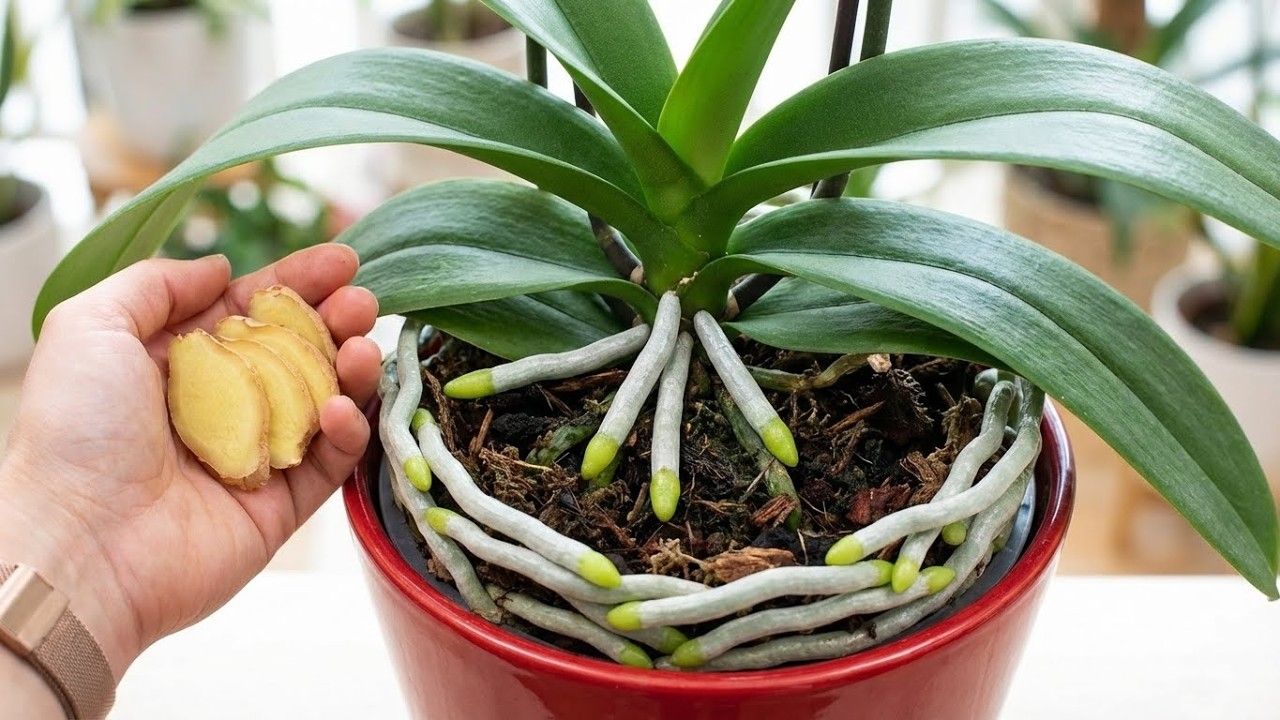
Orchid roots are unique and serve multiple essential functions. Understanding these functions will help you cultivate healthier plants.
1. Functions of Orchid Roots
- Support: Roots anchor orchids in their potting medium and provide stability.
- Water Absorption: They absorb moisture and nutrients from their surroundings.
- Air Exchange: Orchid roots require aeration to thrive, making their structure quite different from many other houseplants.
2. Types of Orchid Roots
Orchid roots can be either aerial or terrestrial. Aerial roots grow above the soil and absorb moisture and nutrients from the air, whereas terrestrial roots grow in the potting medium. Understanding these types helps in caring for your orchids effectively.
Ideal Growing Conditions
Creating the right environment will set the stage for thriving orchid roots. Let’s look at several factors to consider.
1. Light Requirements
Orchids prefer bright, indirect sunlight. Place your orchids near a window with filtered light. Avoid direct sunlight, as it can scorch the leaves.
2. Temperature and Humidity
- Maintain a Consistent Temperature: Aim for a daytime temperature between 70°F and 80°F and a nighttime temperature around 60°F to 70°F.
- High Humidity: Orchids thrive in humidity between 50% and 70%. Use a humidity tray or mist your orchids regularly to maintain moisture levels.
- Avoid Drafts: Protect your orchids from sudden temperature changes and drafts, which can stress the plant.
Nourishing Your Orchids
Proper nutrition is crucial for healthy root growth. Here’s how you can provide the nutrients your orchids need.
1. Choosing the Right Fertilizer
Use a balanced fertilizer, diluted to half strength, specifically designed for orchids. Apply it every two weeks during the growing season to boost growth.
2. Watering Techniques
- Watering Frequency: Water your orchids when the top inch of the potting medium feels dry. This typically means every 1-2 weeks.
- Soak Method: When watering, fully soak the pot until water drains from the bottom. This ensures your orchid roots receive ample moisture.
Common Mistakes to Avoid
Even seasoned orchid caretakers can make mistakes that hinder root health. Here are some common pitfalls to watch for.
1. Overwatering
Overwatering can lead to root rot. Ensure there are drainage holes in your pot and allow excess water to escape.
2. Inadequate Light
Not providing enough light can stunt your orchids’ growth. Monitor your orchids to ensure they receive sufficient indirect sunlight.
3. Incorrect Potting Materials
Using soil instead of a specialized orchid mix can suffocate the roots. Choose potting materials that allow for good airflow, such as bark or sphagnum moss.
4. Neglecting to Repot
If your orchids have outgrown their pot or if their potting medium has broken down, repotting is essential for healthy growth.
5. Ignoring Pests
Common pests like scale or aphids can damage roots. Regularly check for signs of infestation and treat promptly.
FAQ
How often should I water my orchids?
Water your orchids every 1-2 weeks, allowing the top inch of the potting medium to dry out between waterings.
Can I use regular plant food for my orchids?
It’s best to use a fertilizer specifically formulated for orchids, as they have unique nutrient needs.
Why are my orchid roots turning brown?
Browning roots may indicate overwatering or insufficient light. Assess your care routine to address the issue.
Conclusion
With these tips, you can nurture healthy orchid roots and enjoy blooms that brighten your space. Have you experienced any issues with your orchids? Share your thoughts in the comments below!