Discover 5 Quick PVC Pipe Hacks for Easy Faucet Solutions!
5 Practical PVC Pipe Hacks for Your Home Faucet Solutions
- Introduction
- Quick PVC Pipe Hacks
- Benefits of Using PVC Pipes
- Common Mistakes to Avoid
- FAQ
- Conclusion
Introduction
Have you ever faced a leaky faucet in your home that seems impossible to fix? Finding a quick and effective solution can often feel overwhelming, especially when traditional methods don’t work. Fortunately, using PVC pipes can transform the way you address faucet issues. This versatile material not only allows for creative solutions but also offers durable and long-lasting results. Keep reading to discover practical hacks that will empower you to tackle those pesky faucet problems with ease.
Quick PVC Pipe Hacks
When it comes to improvising with PVC pipes for your faucet, you’ll find several innovative ways to create effective and handy solutions. Here are five hacks to consider:
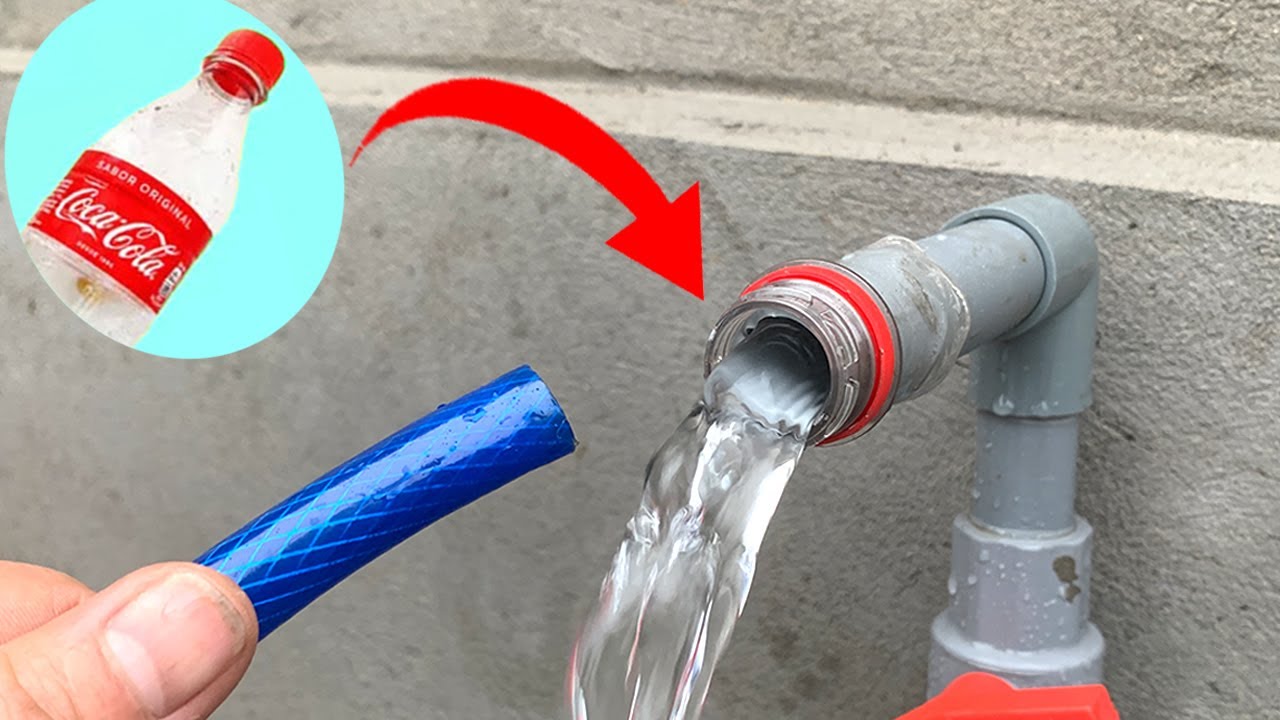
- Create a Portable Faucet Extender: If your sink is hard to reach or too deep, a portable faucet extender can help. Cut a short piece of PVC pipe, attach it to a flexible hose, and connect the other end to your faucet. This simple device allows you to reach the water flow more easily.
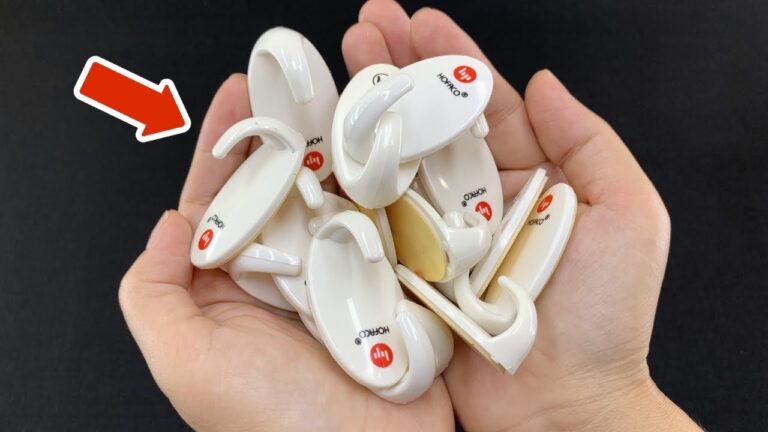
- Build a DIY Faucet Organizer: Keep your sink area tidy. Use small sections of PVC to create a vertical organizer for brushes, sponges, and soaps. Attach it to the side of under-sink cabinets or hang it next to your faucet using adhesive hooks.
- Construct an Adjustable Faucet Spray: For a customizable watering experience, cut a longer section of PVC pipe and attach a spray nozzle. Connect this to your faucet when you’re washing dishes or filling pots. You can adjust the spray according to your needs.
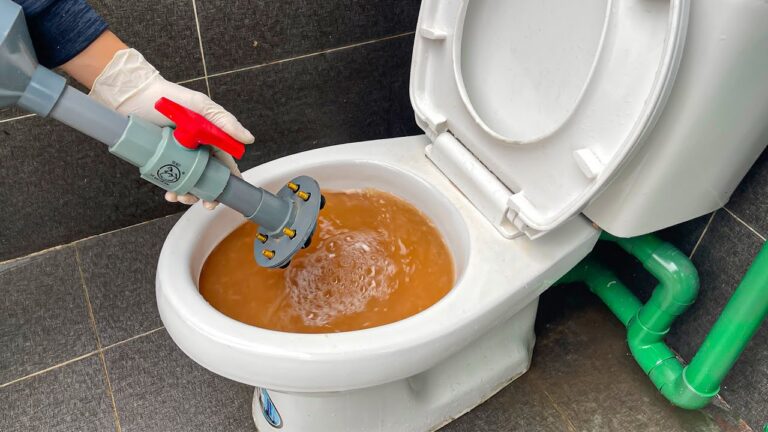
- Install a Simple PVC Sink Drain: If you often experience clogged sinks, a DIY drain system using PVC can streamline matters. Use larger pipes to create a simple siphon effect that helps clear out debris.
- Make a Hose Reel: Keeping your garden hose in check can be a hassle. Employ a couple of large PVC pipes to construct a hose reel. Mount it near your outdoor faucet for easy access when you need to water your plants.
Benefits of Using PVC Pipes
Opting for PVC pipes in your faucet solutions comes with a host of advantages:
- Durability: PVC is resistant to rust and corrosion, making it ideal for wet environments.
- Affordability: This material is typically less expensive compared to alternatives, allowing you to experiment without breaking the bank.
- Ease of Installation: PVC pipes can be cut to size and assembled quickly, which is perfect for DIY projects.
Practical Tips for Using PVC Pipes
- Always measure twice before cutting to ensure a perfect fit.
- Use PVC cement for a secure connection where necessary.
- Consider painting or finishing the PVC for aesthetic appeal if it’ll be visible.
Common Mistakes to Avoid
Even seasoned DIYers can make errors when working with PVC pipes. Here are common pitfalls to be aware of:
- Not cleaning the pipe ends before applying adhesive, which can weaken the bond.
- Using the wrong size of pipe for the intended function, leading to leaks or poor flow.
- Over-tightening connections, which can crack the pipe or fitting.
FAQ
What are the advantages of using PVC for plumbing?
PVC is lightweight, durable, and resistant to environmental factors such as corrosion and UV rays, making it an excellent choice for plumbing projects.
Can PVC pipes be used for non-plumbing tasks?
Absolutely! PVC pipes are versatile and can be used for various DIY projects, including storage solutions, garden fixtures, and even furniture.
How do I clean PVC pipes?
Cleaning PVC pipes is straightforward. A simple solution of warm soapy water and a soft cloth will suffice. Avoid harsh chemicals that may damage the surface.
Conclusion
Utilizing PVC pipes for your faucet needs opens up creative and effective solutions for everyday problems. These hacks can help you maintain a functional and organized sink area with ease. Which of these hacks do you feel inspired to try? Share your thoughts in the comments below!