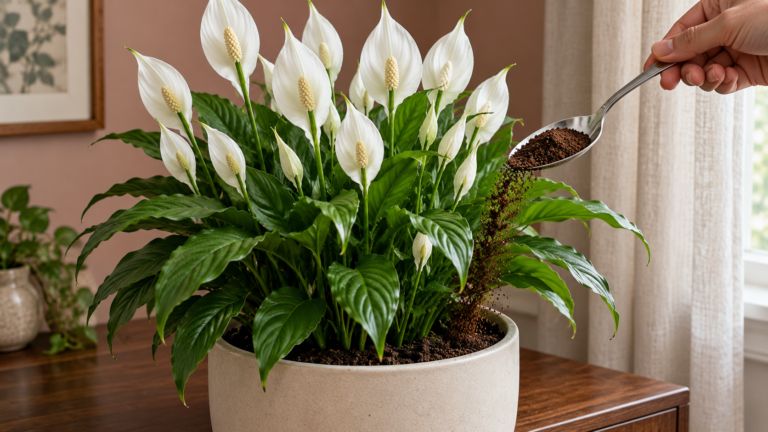

Do this urgently! The orchid will bloom like crazy and produce lots of roots.
# Do this urgently! The orchid will bloom like crazy and produce lots of roots.
## What the source actually does
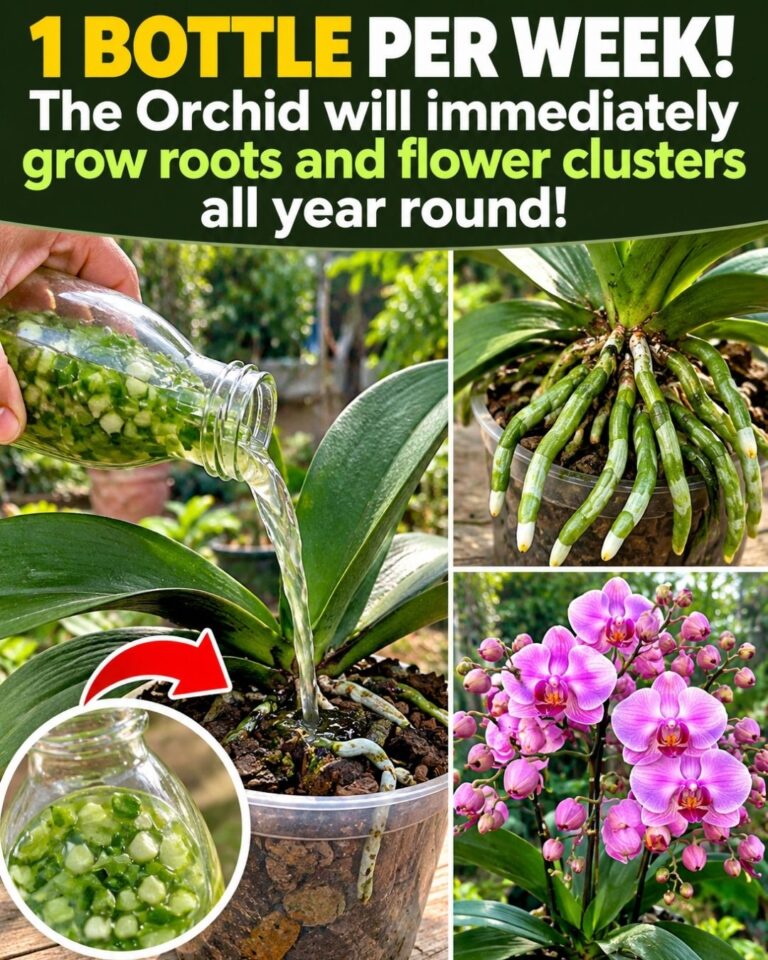
The source combines banana peel and eggshells. The banana is washed, the hard ends are removed, and the peel is cut into smaller pieces. It then uses the shells from 2 eggs. The inside of each shell is washed carefully to remove the remaining membrane and sticky egg residue.
The clean shells are broken into smaller pieces and added to the banana peel. The source pours 1 liter of boiling water over the ingredients, brings the mixture to a boil, and continues boiling for 10 minutes, explicitly saying not to boil longer.
After cooling, the liquid is filtered. The source then measures 600 ml of the prepared liquid and adds 400 ml of plain water, making 1 liter of diluted solution.
For orchids, it recommends 8 tablespoons per pot and says there is no need to give more. The application is presented as monthly.
## Important caution about banana and eggshell fertilizer
Banana peel contains potassium and organic matter, while eggshells are largely calcium carbonate. Boiling them does not create a complete or precisely measured fertilizer. The resulting liquid does not have a known N-P-K analysis.
Use the source dose only as an occasional experiment and never pour it into an already wet, poorly aerated pot. Organic residues can encourage microbial growth.
Healthy roots and adequate light are prerequisites for flowering. A weak orchid with yellowing leaves should first be checked for root loss, sun damage, pests, and watering problems before assuming that more homemade fertilizer is needed.
## Foundations that matter more than any homemade recipe
A homemade plant liquid can only be a small part of orchid or violet care. Before using it, inspect the plant. Look at the roots, the leaves, the growing point, and the potting medium. A healthy root is normally firm. In a transparent orchid pot, hydrated roots are often green, while dry roots may look silvery gray. A root that is soft, hollow, brown, or slimy should not be considered healthy even if part of it still has color.
For Phalaenopsis orchids, the potting medium should be airy. Coarse bark is more appropriate than ordinary garden soil. The pot needs drainage and ventilation holes. Water should pass through and drain completely rather than remain trapped around the roots.
African violets have different roots, but they also dislike stagnant water. Their potting mix should be light and porous. A pot that is much too large can stay wet for too long and increase the risk of rot.
## Water according to the plant, not according to the calendar
One of the easiest mistakes is to apply a homemade fertilizer on a fixed date even when the plant is already wet. The source recipes often say once a month or every two weeks, but that interval should never override the real moisture level.
With an orchid, check the bark and root color. If the bark is still wet and the roots are green, wait. With a violet, feel the upper layer of the mix and observe the weight of the pot. The goal is evenly managed moisture, not permanent saturation.
When a recipe is used, treat its liquid as part of that watering event. Do not water normally and then immediately add another full dose of homemade liquid.
## Light is essential for flowering
An orchid with perfect roots may still fail to flower in a dark room. Phalaenopsis generally needs bright indirect light. Morning or late-afternoon sun can be gentle in some climates, while strong midday sun may burn leaves.
African violets also flower best with bright filtered light. A plant stretching toward the window, developing long leaf stems, or producing few flowers may need more light.
Light is one reason a plant may begin blooming at the same time a homemade recipe is introduced. Correlation does not prove that the recipe caused the flowers. Seasonal changes, cooler nights, and better light may be the real trigger.
## Do not confuse household ingredients with complete fertilizer
Rice water, onion peel, potato peel, banana peel, eggshells, garlic, and vinegar all contain or interact with different compounds. That does not make them balanced plant food.
A complete fertilizer contains known amounts of nitrogen, phosphorus, potassium, and often micronutrients. A kitchen infusion has unknown concentrations. Two bananas, onions, or potatoes may not release the same amount of minerals.
If you use commercial orchid or violet fertilizer as well, avoid stacking many products at once. Alternate cautiously and use weak concentrations. Too many dissolved salts can burn sensitive roots.
## Organic liquids can feed microbes too
Plant growers often focus on what an organic infusion might provide to the plant and forget that sugars, starches, and organic particles can also feed bacteria, yeasts, fungi, and fungus-gnat larvae.
Filter homemade liquids carefully. Do not pour solid rice, potato, banana, or garlic pieces into an orchid bark mix. If the pot begins to smell sour, develop slime, grow mold, or attract many gnats, stop the treatment and flush with clean water.
Prepare small quantities and avoid storing fresh organic infusions for long periods at room temperature.
## Leaf spraying requires caution
The source videos sometimes spray leaves. This is not automatically beneficial. Phalaenopsis leaves can be wiped with clean water when dusty, but repeated spraying with organic liquids can leave residues.
Never allow liquid to remain in the crown or between leaves overnight. Good airflow is important. For African violets, wetting the fuzzy leaves can leave marks, especially with cold water or cool conditions.
If a foliar application is tested, use a small area first and make sure the plant dries quickly.
## Pest and disease claims should be treated carefully
Garlic, onion peel, potato peel, or vinegar are sometimes described online as insecticides or disinfectants. They are not reliable substitutes for identifying the real problem.
Scale insects, mealybugs, spider mites, thrips, fungal spots, bacterial rot, sunburn, and nutrient problems require different responses. A yellow leaf does not automatically mean infection.
If pests are visible, isolate the plant, inspect neighboring plants, remove badly affected material when appropriate, and use a control method suitable for that pest.
## A simple observation routine
Take a photo before starting any new treatment. Note the date, root condition, number of leaves, and whether a flower spike is already present.
Check again after two weeks and one month. A new green root tip is a stronger sign of improvement than a temporary increase in leaf shine.
Change only one major variable at a time when possible. If you repot, move the plant to a brighter window, change watering, and add three homemade fertilizers on the same day, you will not know which change helped or harmed it.
## When to stop a homemade treatment
Stop if roots darken rapidly, the crown softens, the medium smells fermented, leaves develop new burns, or mold appears.
Also stop if the plant is already severely stressed and the treatment adds extra moisture without a clear need. In rescue situations, stability matters more than constant intervention.
## Common mistakes
### Using more because the plant looks weak
A weak plant often has fewer working roots and can tolerate less, not more.
### Leaving water in the saucer
After soaking, let the pot drain completely unless the specific plant is being bottom-watered briefly and the excess is then removed.
### Expecting flowers in a few days
Flower spikes develop over time. Healthy flowering is the result of long-term conditions.
### Cutting healthy tissue
Remove tissue only when it is truly rotten, dead, or damaged. Healthy green roots and leaves are valuable reserves.
### Using strong direct sun after treatment
Wet or stressed leaves can burn more easily. Bright indirect light is safer.
## FAQ
### Can these recipes replace normal fertilizer?
No. At most they are optional supplements.
### Can I use them every week?
Only if the source explicitly says so, and even then caution is appropriate. Monthly use is usually safer for unstandardized organic infusions.
### Should I use them on a newly repotted orchid?
A newly repotted or root-damaged plant is sensitive. Focus first on airflow, dryness at the crown, and stable humidity.
### What is the best sign that an orchid is recovering?
Firm new roots with active green tips and a stable new leaf are better indicators than a sudden flower claim.
### How should I store leftovers?
Fresh organic mixtures are best made in small batches. If they smell sour or ferment, discard them.
## Conclusion
The source method can be followed as an experiment when its amounts and intervals are respected, but the plant’s actual condition should always come first. Healthy roots, controlled moisture, bright indirect light, and an airy medium are the foundation. Homemade liquids should never become a reason to keep a pot constantly wet or to ignore a real pest, disease, or root problem.