Prevent Your Rhubarb from Flowering: Tips and Solutions
Prevent Your Rhubarb from Flowering: Tips and Solutions
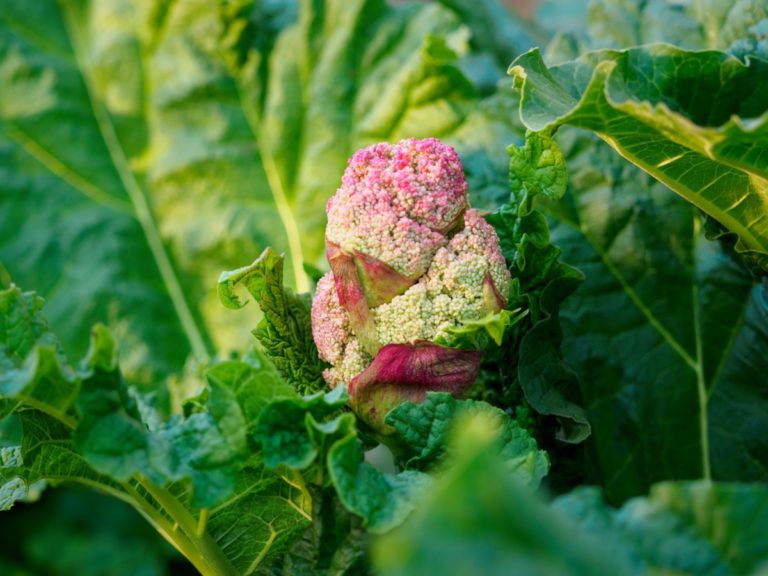
Rhubarb is a stunning yet peculiar plant, especially when it decides to flower. If you’ve stumbled upon a strange stalk rising amidst your rhubarb patch, you might be wondering how to handle it. Don’t worry; we’re here to help you keep your rhubarb thriving. Let’s explore why rhubarb flowers, how to manage it, and tips to prevent future flowering.
Understanding Rhubarb Flowering
Rhubarb plants naturally produce flowers as part of their reproductive cycle. However, if you’re aiming for delicious pies rather than seeds, it’s essential to understand why this happens.
- Natural Life Cycle: All plants strive to reproduce, and flowering is part of this process.
- Stress Factors: Hot weather, pest infestations, and certain heirloom varieties may trigger this flowering phase.
How to Cut Your Rhubarb Flower
If you spot a flower stalk, take immediate action. Removing the flower will encourage your plant to focus on producing more stalks instead.
- Use clean, sharp tools to ensure a quick healing process.
- Cut the flower stalk as close to the crown as possible.
- Be mindful of leaves that may obstruct access to the crown.
Leaving behind too much of the stalk can lead to rot and potential damage to the plant.
Effective Prevention Strategies
Keeping your rhubarb from flowering is easier than you might think. Here are some strategies:
- Dividing Older Plants: If your rhubarb patch is over five years old, it’s a prime candidate for division. Spring is the ideal time for this, but if your harvest isn’t complete, consider waiting until fall.
- Rejuvenation: Dividing creates new plants and refreshes the existing ones, reducing the likelihood of flowering.
Discovering the Beauty of the Flower
Before you toss those budding flowers, consider their stunning aesthetic. These flowers can make a beautiful floral display. Simply place the cut stems in a sturdy vase with a few leaves for a striking centerpiece.
Can You Save the Seeds?
If you’ve cut the flowering stalk early, the seeds won’t be viable for collection. It’s best to remove them promptly to prevent the plant from dedicating energy to seed development. Although you can grow rhubarb from seeds, it takes years for a crown to mature enough for harvest; starting with an established crown is the quicker route.
Why Your Rhubarb Might Not Flower
Curious about why your rhubarb hasn’t blossomed? Rest assured, this is perfectly normal. Younger plants, generally under three to four years old, are less likely to flower. Additionally, different varieties have varying tendencies towards flowering.
Consider yourself fortunate if you’ve managed to avoid this springtime chore!
Conclusion
By understanding why and how rhubarb flowers occur, as well as effective prevention methods, you can ensure a bountiful crop for your culinary delights. With these tips, you’ll keep your rhubarb patch thriving for delicious pies, jams, and more!