5 Easy Tips to Propagate Plants in Plastic Bottles with Sand
5 Easy Tips for Propagating Plants in Plastic Bottles with Sand
- Introduction
- Perfect Materials for Plant Propagation
- Step-by-Step Guide to Propagate Your Plants
- Creative Variations for Personal Touch
- Common Mistakes to Avoid
- FAQ
- Conclusion
Introduction
Have you ever found yourself surrounded by plants, wishing you could expand your green space without spending a fortune? Perhaps you’re ready to take on a new gardening venture but aren’t sure where to start. Using plastic bottles combined with sand is an accessible way to propagate plants, allowing you to watch your garden flourish while recycling at the same time. The following tips will guide you through the process, making it not only simple but also enjoyable.
Perfect Materials for Plant Propagation
Before diving into the propagation process, gathering the right materials is key to ensuring successful growth.
1. Choose Your Plastic Bottles
Select clean, clear plastic bottles, preferably 1 or 2-liter sizes. The transparent nature allows sunlight to penetrate while you observe root development. Plus, it’s an eco-friendly way to recycle!
2. Find the Right Sand
Opt for fine sand rather than coarse. Fine sand enhances drainage, which is crucial for healthy root systems. Additionally, combining it with other materials like perlite can further improve aeration.
3. Tools You’ll Need
- Scissors or a sharp knife
- Measuring cup for sand
- Watering can or spray bottle
Step-by-Step Guide to Propagate Your Plants
Once you have your materials ready, follow these simple steps to propagate your beloved plants successfully.
1. Prepare Your Bottles
- Cut the plastic bottles in half using scissors or a knife.
- Remove the cap from the top half to allow for airflow.
- Invert the bottom half, which will serve as a water reservoir, and place it securely on a flat surface.
2. Fill with Sand
Pour fine sand into the bottom half of the bottle, filling it about halfway. Leave space for roots to develop. Depending on your plant type, you may mix in some compost for added nutrients.
3. Insert Cutting or Seed
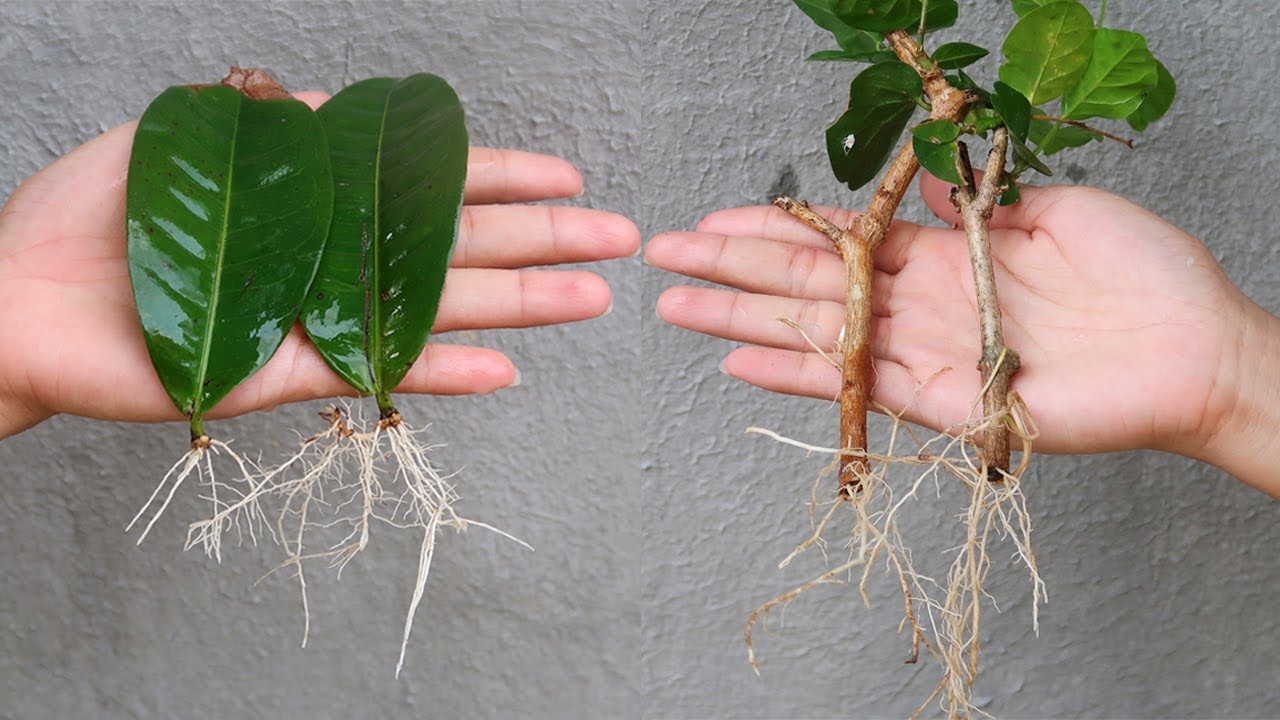
- Take a healthy cutting from your chosen plant. Aim for at least 3-4 inches in length.
- Remove the lower leaves to enhance root growth.
- Place the cutting into the sand, ensuring it has good contact.
4. Water and Maintain
Lightly moisten the sand using water from a watering can or spray bottle. Do not saturate; just keep the sand damp. Check the moisture level regularly.
5. Provide Light
Position the propagated plants in a spot with bright, indirect sunlight. Avoid direct sun to prevent scorching the developing plant.
Creative Variations for Personal Touch
Once you get comfortable with the process, consider these creative ideas to make your plant propagation more engaging.
1. Personalize Your Bottles
Use paint or stickers to decorate your bottles. This adds a personal touch and makes your project visually appealing. You can even label the plants to keep track of what you’re growing!
2. Combine Different Plants
Make a mini garden by propagating different types of plants in the same bottle. Ensure that their water and light needs align, creating an attractive arrangement that brings variety.
3. Add Decorative Elements
Incorporate decorative stones or small pebbles at the base of your sand before planting. This not only enhances the look of your propagation setup but also helps with drainage.
Common Mistakes to Avoid
While propagating plants in plastic bottles can be straightforward, there are some common pitfalls to watch out for.
1. Overwatering Your Cuttings
Too much water can lead to rot. Ensure you only dampen the sand to keep it moist.
2. Using Poor Quality Bottles
Opt for bottles that haven’t previously held harmful substances. Always clean them thoroughly to avoid affecting the plants.
3. Ignoring Light Needs
Direct sunlight can damage fragile cuttings. Ensure they receive filtered light for optimal growth.
FAQ
How long does it take for cuttings to root?
Typically, you can expect roots to develop within 2 to 6 weeks, depending on the type of plant and its growing conditions.
Can I use soil instead of sand?
While sand is preferred for drainage, you can use a mix of soil and sand or other propagating mediums, ensuring proper aeration for root development.
What types of plants are best for propagation in bottles?
Herbs, succulents, and certain houseplants like pothos and spider plants are excellent choices for propagation in bottles.
Conclusion
By employing these tips for propagating plants in plastic bottles with sand, you’ll not only enhance your gardening skills but also contribute to a sustainable lifestyle. Have you tried propagating plants in this way? Share your experiences in the comments below!