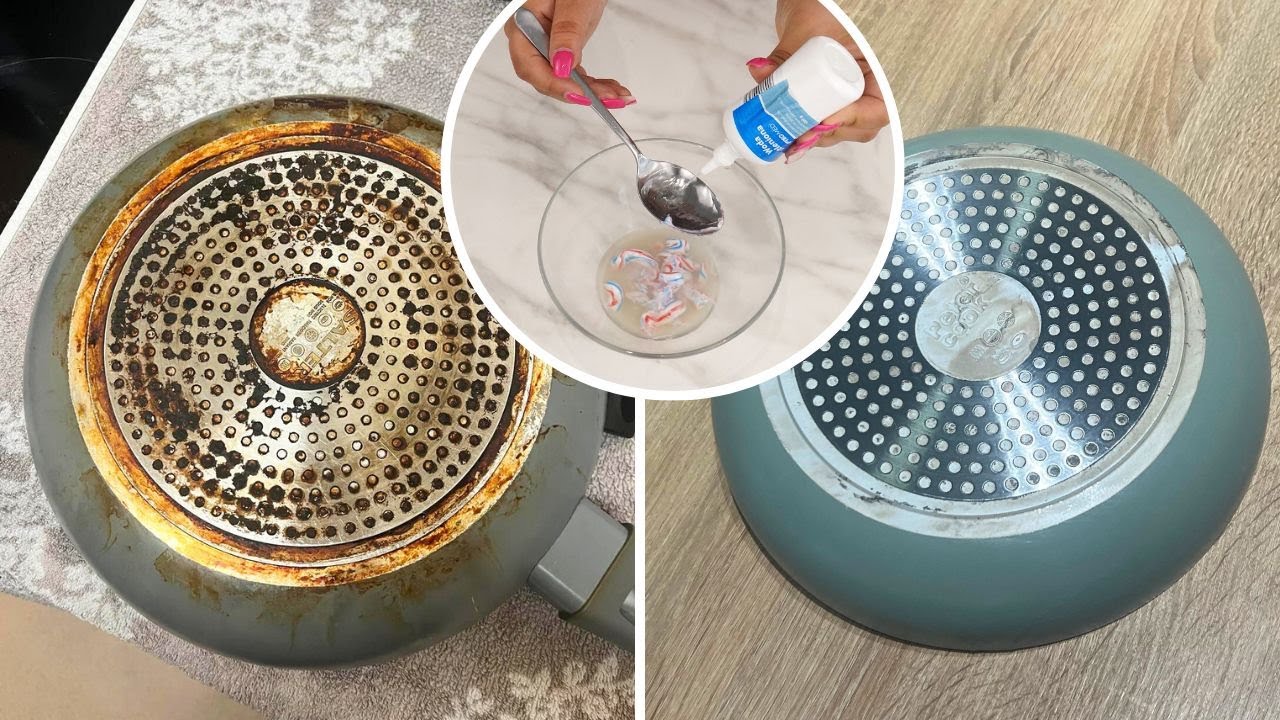
Clean Burnt Pans in 5 Minutes: 3 Simple Tips That Actually Work!
Clean Burnt Pans: 3 Simple Tips That Actually Work
- Introduction
- Tip One: Baking Soda and Vinegar
- Tip Two: Salt and Lemon
- Tip Three: Dish Soap and Dryer Sheet
- Common Mistakes to Avoid
- FAQ
Introduction
Have you ever set out to prepare a delicious meal only to discover your favorite pan was left burnt and charred after the last cooking session? It can be disheartening when you realize your cookware has become a big project rather than a kitchen tool. Fortunately, cleaning burnt pans doesn’t have to be a frustrating ordeal. In this article, you’ll discover effective and straightforward methods to tackle those stubborn stains quickly.
Tip One: Baking Soda and Vinegar
This classic combination is a real lifesaver for burnt pans. The chemical reaction between baking soda and vinegar helps to loosen burnt food and stains, making it easier to clean.
Steps to Clean Your Pan
- Sprinkle a generous amount of baking soda over the burnt areas of the pan.
- Pour a little vinegar over the baking soda. You’ll notice some fizzing—this is normal!
- Let the mixture sit for about 10-15 minutes to allow it to work.
- Scrub the pan gently with a non-abrasive sponge or brush to remove the burnt residue.
- Rinse the pan thoroughly with water and dry it well.
The Benefits of This Method
This method not only cleans your burnt pan but is also safe for most materials and non-toxic. Plus, the ingredients are commonly found in your kitchen, making it accessible and cost-effective.
Tip Two: Salt and Lemon
Salt and lemon make a powerful duo for cleaning pans, especially those made of stainless steel or cast iron. The abrasiveness of salt combined with the acidity of lemon can tackle tougher burnt spots.
How to Use Salt and Lemon
- Sprinkle a generous amount of salt evenly over the burnt area of your pan.
- Slice a lemon in half and use the cut side to scrub the salt into the burnt spots.
- Let it sit for a few minutes before rinsing with warm water.
- Wipe the pan with a clean cloth to finish off the cleaning process.
Why This Technique Works
The salt acts as a natural abrasive, removing the burnt layer without scratching the surface, while the lemon helps to break down stains with its natural acidity.
Tip Three: Dish Soap and Dryer Sheet
This unexpected combination might just become your favorite cleaning hack. The fabric softening agents in dryer sheets help to loosen burnt food particles, making removal a breeze.
Cleaning Process with Dish Soap and Dryer Sheets
- Fill the burnt pan with warm water.
- Add a few drops of dish soap into the water.
- Submerge a dryer sheet in the soapy water and let it soak for 10-15 minutes.
- Gently scrub the pan with the dryer sheet, focusing on the burnt areas.
- Rinse the pan well and dry it with a soft towel.
Advantages of This Method
This method is particularly effective for tough stains and is convenient because it requires minimal scrubbing. Plus, your pans will come out smelling fresh as well!
Common Mistakes to Avoid
- Using abrasive cleaners or sponges can scratch and damage your pans. Always opt for non-abrasive materials.
- Ignoring soaking times may lead to more elbow grease needed later. Give your cleaners time to work.
- Forgetting to test your cleaning method on a small area first can result in damage, especially on delicate surfaces.
- Rushing the cleaning process may not yield the best results. Allow time for the ingredients to do their job.
FAQ
What is the best way to clean a scorched non-stick pan?
For non-stick pans, try using baking soda and water to form a paste. Apply it to the cooled pan and let it sit before gently scrubbing with a non-abrasive sponge.
Can I use these methods on all types of pans?
Most of these methods work well on stainless steel and cast iron but use caution on non-stick or delicate surfaces. Always test on a small area first.
How often should I clean my pans?
Cleaning your pans after each use is ideal to prevent buildup. However, for stubborn stains, use these methods as needed to restore them to their original state.
Conclusion
Cleaning burnt pans doesn’t have to be a daunting task. With these three simple tips, you can restore your cookware without much hassle. Have you tried any of these methods, or do you have other cleaning hacks you swear by? Share your experiences in the comments!