5 Must-Try Feeds for Healthy Hens and Consistent Egg Production
5 Essential Feeds for Healthy Hens and Consistent Egg Production
- Introduction
- The Benefits of Proper Nutrition
- Essential Ingredients for Hen Feeds
- Common Mistakes When Feeding Hens
- FAQ
- Conclusion
Introduction
As a backyard chicken keeper, you may sometimes find yourself puzzled over why your hens aren’t laying as consistently as you hoped. Perhaps you’ve noticed changes in their behavior or egg production, leaving you wondering what could be the cause. Nutrition plays a pivotal role in your hens’ health and their ability to produce eggs. However, with so many feeds available, it can be challenging to know which ones to choose. Continue reading to discover the best options that can boost your hens’ health and enhance their egg-laying performance.
The Benefits of Proper Nutrition
Providing your hens with nutritious feeds is crucial for their overall well-being and egg production. Here are a few key benefits:
- Improved health: A balanced diet helps strengthen the immune system.
- Higher egg production: Quality feeds lead to consistent and plentiful egg laying.
- Better egg quality: Nutritious feeds result in eggs with richer yolks and stronger shells.
The Impact of Nutrition on Egg Production
Your hens require specific nutrients for optimal egg production, such as protein, calcium, and vitamins. Failing to provide these can lead to reduced laying rates and health issues.
Choosing the Right Feed
Selecting feeds that meet the nutritional needs of your flock based on their age and dietary requirements is essential. Look for commercial feeds specifically designed for layers or consider formulating your own.
Essential Ingredients for Hen Feeds
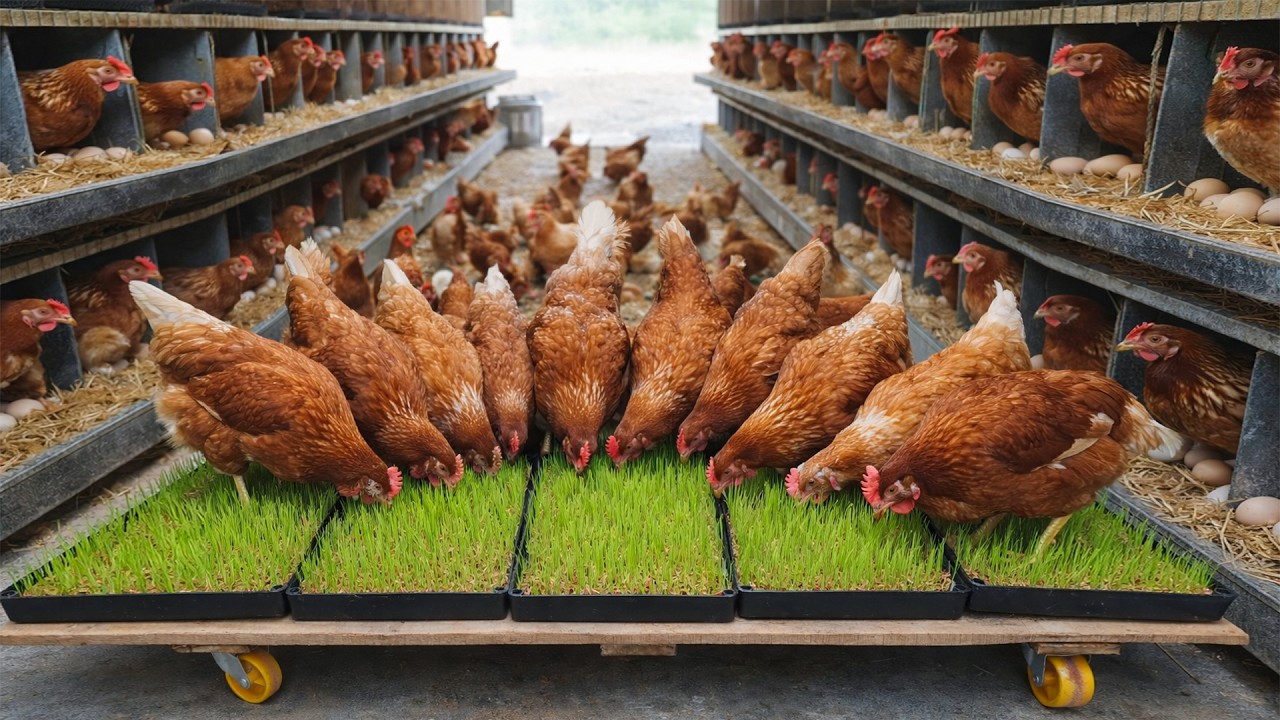
When it comes to feed, certain ingredients stand out as particularly beneficial. Here are five must-try feeds for your hens:
- High-Quality Layer Pellets: Rich in protein and calcium, these pellets are formulated to meet the nutritional needs of laying hens.
- Crushed Oyster Shells: These provide a necessary calcium boost, helping to strengthen eggshells and support hen health.
- Whole Grains: Grains like corn and wheat offer energy and are excellent for mixing into your hens’ diets for added variety.
- Green Vegetables: Foods like kale, spinach, and broccoli not only provide vitamins but also keep your hens entertained and healthy.
- Protein Sources: Adding mealworms or kitchen scraps like leftover meat can enhance protein intake, especially during molting seasons.
Mixing and matching these feeds in your hens’ diet can ensure they receive diverse nutrition. Always introduce new feeds gradually to prevent digestive upset.
If you prefer to prepare homemade feeds for your flock, consider combining grains, greens, and protein sources. This not only adds variety but also allows you to tailor the nutrition to your hens’ specific needs.
Common Mistakes When Feeding Hens
Even experienced chicken keepers can make errors in feeding that might affect their flock’s health and productivity. Here are some of the most common mistakes to avoid:
- Neglecting calcium: Failing to provide adequate calcium can lead to weak eggshells.
- Overfeeding: Too much feed can lead to obesity, which impacts egg production.
- Ignoring water quality: Always ensure your hens have access to clean, fresh water.
- Not adjusting diets for age: Hens need different nutritional content as they age.
- Relying solely on scraps: While kitchen scraps can be great, they shouldn’t replace a complete feed.
Keep an eye on your hens’ body condition and egg production. Regular monitoring can help you spot any issues early on.
If you’re ever in doubt, consult a veterinarian or a poultry expert to ensure you are meeting your flock’s nutritional needs.
FAQ
What is the best feed for laying hens?
High-quality layer pellets are often recommended as they provide the balanced nutrition necessary for laying hens.
How much should I feed my hens daily?
A good rule of thumb is to offer about 1/4 pound of feed per hen per day, adjusting based on their age and activity level.
Can I feed my hens kitchen scraps?
Yes, but it’s crucial to ensure that the scraps are safe and nutritious, complementing their primary feed rather than replacing it.
Conclusion
By selecting the right feeds and paying attention to your hens’ dietary needs, you can significantly improve their health and egg production. What feeds have you found to be the most effective for your flock? Share your experiences in the comments below!