6 Foods You Should NEVER Eat If You Have Colon Cancer – Discover Why!
6 Foods to Avoid with Colon Cancer: Discover Why
- Understanding Colon Cancer
- Harmful Foods to Avoid
- Impact of Diet on Healing
- Common Dietary Mistakes
- FAQs about Diet and Colon Cancer
Receiving a diagnosis of colon cancer can be a life-altering experience, prompting you to make crucial decisions about your health and nutrition. You might find yourself wondering what to eat, what to avoid, and how certain foods can influence your recovery. With so much information out there, it’s natural to feel overwhelmed. In this article, we’ll explore foods that are best avoided to support your health journey. Let’s dive in.
Understanding Colon Cancer
Colon cancer occurs when abnormal cells in the colon grow uncontrollably. Common symptoms may include changes in bowel habits, abdominal discomfort, and unexplained weight loss. Knowing how your diet can affect your condition is essential, as certain foods can exacerbate symptoms or hinder recovery.
Colorectal Health and Nutrition
Your diet plays a critical role in maintaining colorectal health. A balanced intake of fruits, vegetables, and whole grains can promote healing. However, some foods can lead to inflammation or other issues. Being informed is vital in making healthier choices.
The Role of Fiber
Fiber is essential for digestive health, helping to regulate bowel movements and prevent constipation. However, the type of fiber you consume matters. Soluble fiber is beneficial, while certain insoluble fibers found in some foods can cause irritation.
Harmful Foods to Avoid
While many foods offer health benefits, some can hinder your recovery when dealing with colon cancer. Here are six foods you should consider avoiding:
- Processed Meats: These often contain preservatives and additives that may increase cancer risk.
- Refined Sugars: High levels of sugar can lead to inflammation and potentially worsen symptoms.
- White Bread and Pasta: These refined grains lack fiber, which is essential for digestive health.
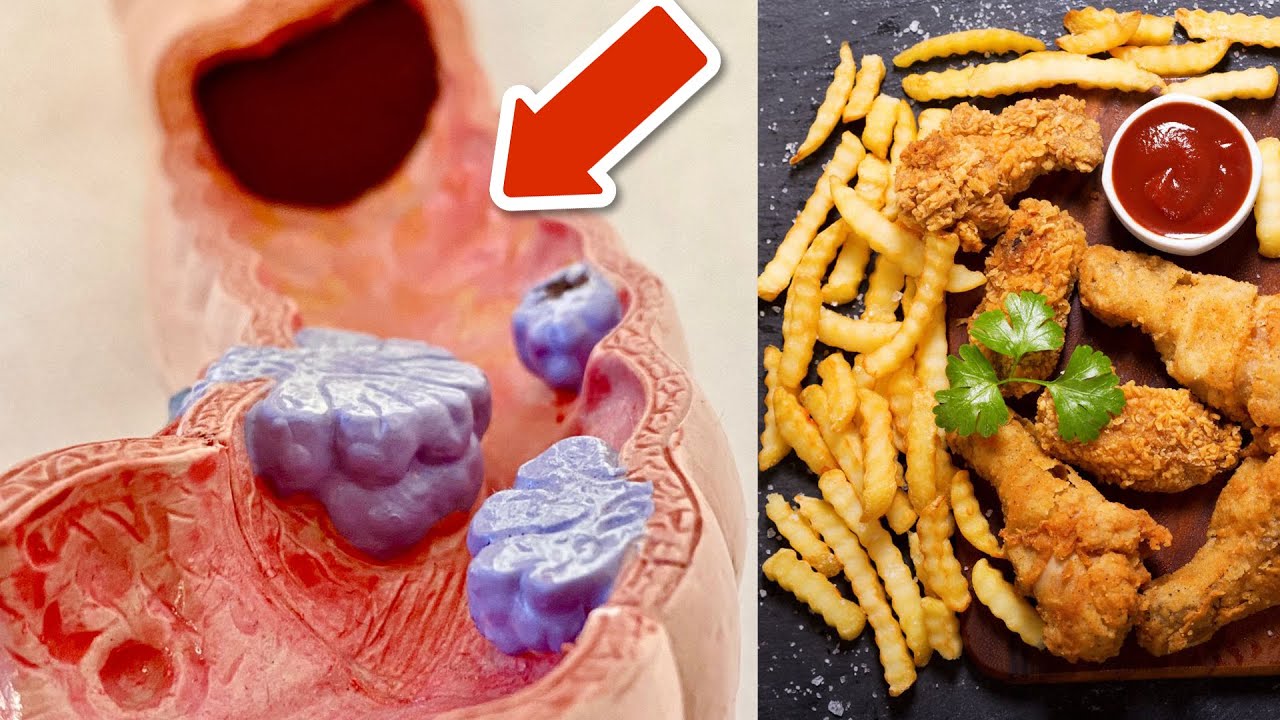
- Fried Foods: Cooked at high temperatures, these can create harmful compounds that can be irritating.
- Dairy Products: Some individuals find that dairy exacerbates symptoms, so monitor your response.
- Alcohol: Excessive consumption can significantly impact liver function and immune response.
Recognizing Symptoms
Pay attention to how your body responds to different foods. Maintaining a food diary can be beneficial to identify any triggers that may aggravate your condition.
Finding Alternatives
Instead of the foods mentioned above, consider leaning towards whole, unprocessed foods. Incorporating fruits, vegetables, whole grains, and lean proteins into your meals can improve your health and help manage symptoms.
Impact of Diet on Healing
Your diet can either strengthen your body or hinder your healing process. Focus on nutrient-dense foods that boost your immune system and overall well-being. Here are some beneficial options:
- Leafy Greens: Spinach, kale, and other greens are rich in antioxidants.
- Whole Grains: Brown rice and quinoa can be great sources of fiber.
- Healthy Fats: Avocados and nuts provide essential fatty acids.
Hydration Matters
Drinking adequate water is crucial to your health. Staying hydrated aids digestion and helps prevent complications associated with colon cancer.
Meal Planning for Success
Planning your meals can simplify healthy eating. Aim to include a variety of foods to ensure balanced nutrition. Preparing meals at home allows you to control ingredients and avoid processed options.
Common Dietary Mistakes
As you adjust your diet to manage colon cancer, be mindful of the following mistakes:
- Not consulting with a healthcare professional regarding dietary changes.
- Ignoring food intolerances, which can lead to discomfort.
- Overconsumption of high-sugar foods, which can worsen symptoms.
Balancing Nutrients
Striking a balance between different food groups is essential. Avoid becoming overly restrictive, which can lead to nutrient deficiencies.
Listening to Your Body
Everyone’s experience with colon cancer is unique. Always listen to your body and adjust your diet based on how you feel.
FAQs about Diet and Colon Cancer
What foods should I focus on when managing colon cancer? Aim for a diet rich in fruits, vegetables, whole grains, and lean proteins while avoiding heavily processed items.
Can I eat dairy if I have colon cancer? Some individuals find it aggravates their symptoms, so it’s best to monitor your body’s response.
How can I ensure I’m meeting my nutritional needs? Consider working with a dietitian to create a personalized plan that addresses your specific needs and preferences.
Conclusion
Choosing the right foods when managing colon cancer is crucial for your well-being and recovery. By avoiding harmful items and focusing on a balanced diet, you can support your health journey. What dietary changes have you found most beneficial in your experience?