7 Secrets to Help Weak Orchids Bloom Like Crazy!
7 Secrets to Help Weak Orchids Bloom Like Crazy
- Understanding Orchid Needs
- Providing Optimal Light
- Watering and Feeding
- Common Mistakes to Avoid
- FAQ
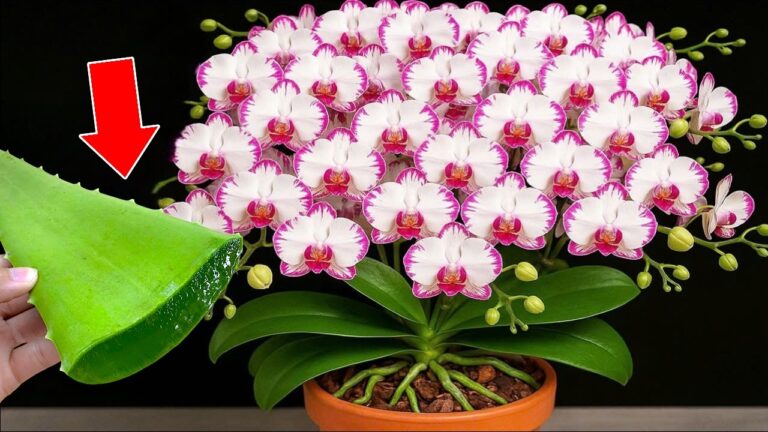
Have you ever nurtured a beautiful orchid only to find it languishing with few blooms? The leaves might look green and healthy, but the flowers seem reluctant to appear. Orchids can be finicky, and many common care mistakes can prevent them from thriving. Understanding their specific needs is key to transforming your weak orchids into blooming beauties. Let’s explore how to unlock the secrets of orchid care.
Understanding Orchid Needs
Before diving into specific care strategies, it’s essential to understand what your orchids truly need to flourish. The unique characteristics of orchids set them apart from regular houseplants, making it vital to tailor your approach.
Choosing the Right Orchid Type
- The most common indoor orchid is the Phalaenopsis, known for its stunning, long-lasting flowers.
- Cymbidiums generally prefer cooler environments and can handle slightly lower humidity.
- Understanding your specific orchid type helps in providing tailored care.
Recognizing Environmental Factors
Orchids thrive in specific conditions. Factors include:
- Temperature: Most orchids prefer 65°F to 75°F.
- Humidity: Aim for 40-60% humidity levels.
- Adequate air circulation, which can prevent fungal diseases.
Providing Optimal Light
The right light exposure is crucial for your orchid’s growth and blooming. Too little light can lead to stunted growth, while too much can scorch leaves.
Determining the Right Lighting
Orchids enjoy bright, indirect light. Here are a few tips:
- Place them near east or south-facing windows to get bright, indirect sunlight.
- Use sheer curtains to diffuse harsh rays if necessary.
- Observe your plant: deep green leaves may indicate insufficient light, while yellowing leaves could signal too much.
Supplemental Lighting Options
Especially during the winter months, your orchids may need some extra support:
- Consider using fluorescent grow lights if natural light is scarce.
- Position the lights about 12 inches above the plants for optimal results.
Watering and Feeding
Proper watering and feeding practices significantly impact your orchid’s health and blooming potential.
Establishing a Watering Routine
- Check the potting medium; let it dry out slightly before watering.
- Water thoroughly until it drains from the bottom of the pot.
- Avoid letting your orchids sit in standing water, as this can lead to root rot.
Choosing the Right Fertilizer
Feeding your orchids correctly encourages robust growth and flowering:
- Use a balanced fertilizer diluted to half strength.
- Feed your orchids every other week during the growing season and reduce frequency during dormancy.
Common Mistakes to Avoid
Even seasoned plant lovers can make mistakes when it comes to orchid care. Here are a few common pitfalls to look out for to help your orchids thrive.
Overwatering
One of the biggest mistakes is overwatering, which can lead to root rot. Always ensure proper drainage.
Underestimating Temperature Changes
Orchids are sensitive to temperature fluctuations. Be cautious of drafts and sudden heat sources.
Neglecting Repotting Needs
Orchids benefit from repotting every couple of years to refresh their growing medium and allow for root expansion.
FAQ
What is the best potting mix for orchids?
Use a mix designed specifically for orchids, often containing pine bark, perlite, and charcoal to ensure proper drainage.
How often should I fertilize my orchid?
Fertilize every other week during the growing season with a diluted orchid fertilizer, tapering off in the winter months.
Why are my orchid’s leaves turning yellow?
Yellowing leaves can indicate several issues, including overwatering, inadequate light, or nutrient deficiencies.
Understanding your orchids’ needs is the first step toward encouraging those elusive blooms. Adjust your care practices, and you might be surprised by the vibrant growth you witness. What changes are you considering making in your orchid care routine? Feel free to share in the comments below!