5 Genius Tips for Growing Orchids with Rice That Will Change Your Gardening Game!
5 Genius Tips for Growing Orchids with Rice That Will Enhance Your Gardening Skills
- Introduction
- Understanding Orchids
- The Benefits of Using Rice
- Preparing Rice for Orchids
- Common Mistakes When Growing Orchids
- FAQ
- Conclusion
Introduction
If you’ve ever admired the exquisite beauty of orchids, you might have wondered why they can be challenging to grow. Their vibrant colors and unique shapes can make anyone want to bring these stunning plants into their home. Yet, many people struggle with keeping orchids healthy and flourishing. What if there was a simple method that could help you enhance your gardening skills and ensure your orchids thrive? Let’s explore a few innovative tips using rice that could transform your experience with these lovely plants.
Understanding Orchids
Before diving into the details of growing orchids with rice, it’s essential to grasp some basics about these plants.
1. Types of Orchids
Orchids come in thousands of varieties, each with unique requirements. Some popular types include Phalaenopsis, Cattleya, and Dendrobium, each thriving under specific conditions.
2. Growing Conditions
Orchids generally prefer indirect light and a humid environment. Understanding these needs will significantly enhance your success.
3. The Importance of Care
Consistent watering, proper soil choices, and timely fertilization play vital roles in ensuring orchids flourish.
The Benefits of Using Rice
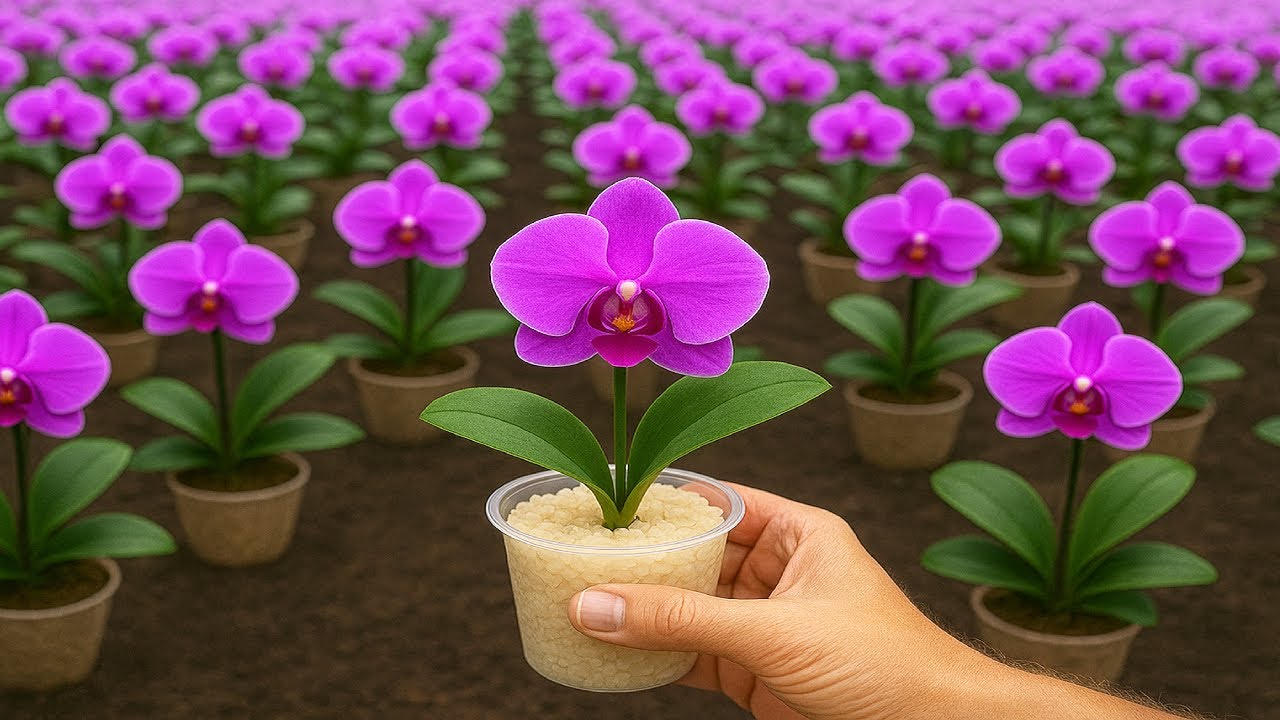
Using rice as a medium for growing orchids may sound unconventional, but it has several benefits you might appreciate.
1. Nutritional Content
Rice contains essential nutrients that can promote healthy leaf and root development. When decomposed, it releases beneficial elements into the soil.
2. Moisture Retention
Rice effectively retains moisture, providing a steady supply of water, which is crucial for the health of orchids. This ensures you won’t have to worry about frequent watering.
3. Natural Aeration
The structure of rice helps improve aeration in the soil, allowing orchid roots to breathe better and preventing root rot.
Preparing Rice for Orchids
To yield the best results, you’ll need to prepare the rice properly before using it.
1. Selecting the Right Rice
Choose uncooked, plain rice without any additives. Brown rice is often preferred due to its higher nutritional content.
2. Rinsing the Rice
Before using, be sure to rinse the rice thoroughly to remove excess starch. This prevents unwanted mold growth and ensures a healthier environment for your orchids.
3. Mixing Rice with Other Mediums
Consider combining rice with other growing mediums, such as bark or perlite, to optimize moisture retention and aeration. This balance can support your orchids’ health.
Common Mistakes When Growing Orchids
Even with the best tips, it’s easy to make errors in growing orchids. Here are some common pitfalls to avoid.
1. Overwatering
One of the most frequent mistakes is overwatering. Orchids thrive in slightly dry conditions, so ensure the rice helps regulate moisture without becoming waterlogged.
2. Insufficient Light
Insufficient light is another typical challenge. Make sure your orchids receive adequate indirect sunlight to stimulate growth.
3. Neglecting Fertilization
Orchids require regular feeding. Use an appropriate fertilizer, diluted to half strength, especially during the growing season.
FAQ
How often should I water orchids grown with rice?
It’s best to check the moisture level; generally, watering once a week is sufficient, but this can vary based on environmental conditions.
Can I grow all types of orchids in rice?
While many types can thrive with this method, always check specific requirements for each orchid variety to ensure optimal care.
Is it necessary to add other mediums with rice?
Adding other mediums like bark or perlite can improve aeration and moisture management, but it’s not always necessary if rice is processed correctly.
Conclusion
Growing orchids using rice can offer numerous advantages that enhance your gardening practices. By understanding the needs of your orchids and avoiding common mistakes, you’ll create a thriving environment for these lovely plants. What unique methods have you tried for growing orchids successfully? We’d love to hear your experiences in the comments!