5 Soil Alternatives for Thriving Orchids That Bloom and Root Better!
5 Soil Alternatives for Thriving Orchids That Bloom and Root Better
Introduction
If you’ve ever struggled to keep your orchids healthy and vibrant, you’re not alone. Many plant enthusiasts face challenges when choosing the right soil for these delicate beauties. The type of soil can significantly impact their growth, blooming, and overall health. It’s essential to understand the unique needs of your orchids to ensure they thrive. Let’s explore some effective soil alternatives that can help your orchids root and bloom better.
Understanding Orchid Soil Needs
Orchids have distinct soil needs compared to other houseplants. Unlike traditional garden plants that thrive in dense soil, orchids prefer well-draining mediums that allow air to reach their roots. Here’s what you need to consider:
1. Drainage and Aeration
Orchids naturally grow in trees and rocky environments, which means they require excellent drainage and aeration. A compacted soil can suffocate roots leading to rot.
2. Organic Matter
Using organic materials can promote healthy growth by offering nutrients while also ensuring drainage. Look for ingredients that break down slowly.
3. pH Levels
Orchids generally prefer a slightly acidic to neutral pH (around 5.5 to 7). Monitoring soil pH can help you provide the best growing conditions.
Natural Soil Alternatives
Now that you understand the soil needs, let’s explore some natural alternatives that can create an ideal environment for your orchids.
1. Bark Chips
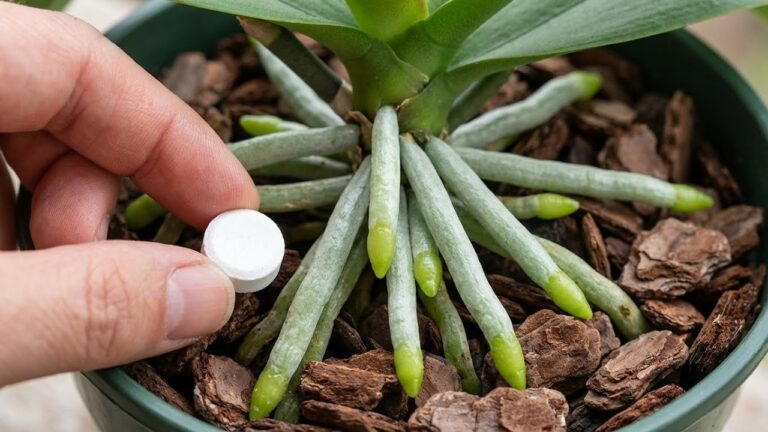
Bark chips are a popular choice for orchid potting mixes. They offer great drainage and aeration. When using bark, ensure it is aged to prevent any harmful substances that can affect your orchids.
2. Coconut Coir
Coconut coir is an excellent material that retains moisture while allowing for good airflow. It’s a sustainable option that can help keep your orchids hydrated without water logging.
3. Perlite
Adding perlite to your orchid mix can improve drainage and help aerate the soil. It helps to prevent compaction, making it a wonderful addition to a potting mix for orchids.
4. Sphagnum Moss
Sphagnum moss retains moisture effectively, making it ideal for more water-requiring orchids. However, it should be used with care, as it can also hold too much moisture if not mixed properly with other materials.
5. Charcoal
Activated charcoal is not just for fish tanks; it can be beneficial for orchids as well. It helps to absorb impurities and maintain fresh conditions in your potting medium, promoting healthier root growth.
Mistakes to Avoid
While selecting the right soil alternatives, it’s essential to avoid common pitfalls that can hinder your orchids’ growth.
1. Using Regular Potting Soil
Regular potting soil can retain too much moisture, leading to root rot. Always choose specific orchid mixes or alternatives designed for their needs.
2. Overwatering
Overwatering is a frequent concern. Always check the moisture level before watering to prevent drowning the roots.
3. Neglecting to Refresh the Medium
Organic materials decompose over time, which can diminish air pockets and nutrients. Refresh your potting mix every couple of years to ensure your orchids have the healthiest environment.
FAQ
What type of soil do orchids prefer?
Orchids prefer well-draining mediums that provide aeration, such as bark chips, coconut coir, or a mix designed specifically for orchids.
How often should I change the potting mix for my orchids?
It’s best to refresh the potting medium every 1-2 years or when you notice it’s broken down significantly.
Can I use regular fertilizer for orchids?
It’s advisable to use a fertilizer formulated for orchids to meet their specific nutritional needs without causing harm.
Conclusion
Selecting the right soil for your orchids is crucial for their health and blooming potential. By exploring various natural soil alternatives and avoiding common mistakes, you can create the perfect environment for your plants. What soil alternatives have you found most effective for your orchids? Share your experiences in the comments!