This simple idea turns plastic bottles into a vegetable garden… and it’s genius!
This simple idea turns plastic bottles into a vegetable garden… and it’s genius!
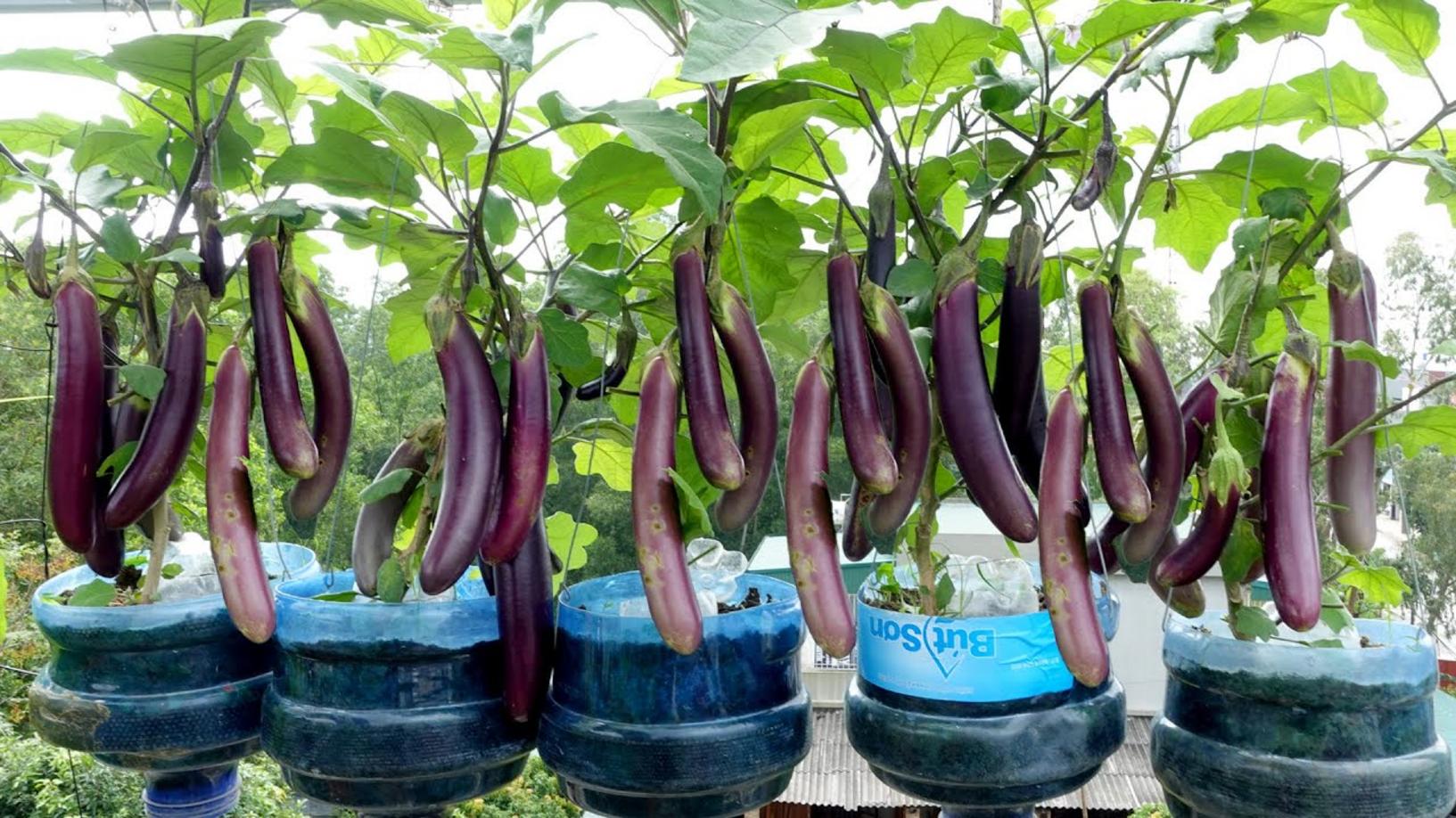
Imagine transforming **plastic bottles** into a thriving **vegetable garden** right in your home! This innovative approach not only helps reduce waste but also allows anyone, even those without a traditional yard, to grow delicious vegetables. Let’s explore how you can achieve this with just a few easy steps.
Step 1: Gather Your Materials
Start by collecting **plastic bottles**. You’ll need:
- 2-liter soda bottles or similar
- Gardening soil
- Seeds of your choice (like eggplants)
- Sharp knife or scissors
- Drill or a thick nail for drainage holes
Step 2: Prepare the Bottles
Using the knife or scissors, carefully cut each bottle in half. Aim for 2/3 at the top and 1/3 at the bottom. This creates a **planter** and a reservoir.
Make sure to poke small holes in the bottom of the **bottom part** for drainage. This helps prevent water from accumulating and keeps your plants healthy.
Step 3: Mix the Soil
Prepare a mix of **gardening soil**, compost, and a handful of slow-release fertilizer. A good **soil mixture** supports healthy plant growth and provides essential nutrients. Fill the top section of the bottle with this mixture, leaving some space at the top for watering.
Step 4: Plant the Seeds
Now it’s time for the fun part! Plant your seeds according to the package instructions. For **eggplants**, ensure they are positioned about an inch apart. Once planted, gently cover them with more soil and water lightly.
Step 5: Assemble and Position
Insert the top section of the bottle into the bottom section. This allows the upper part to draw water from the reservoir below. Place your **bottle planters** in a sunny spot, ideally where they’ll receive at least 6 hours of sunlight a day.
Common Mistakes to Avoid
- Overwatering: Ensure the bottles have proper drainage. Too much water can harm the plants.
- Ignoring sunlight needs: Different vegetables have varying sunlight requirements.
- Neglecting pest control: Keep an eye out for pests and diseases. It’s crucial for a healthy harvest!
Conclusion
Transforming **plastic bottles** into a functional vegetable garden is not only practical but also incredibly rewarding. By following these steps, you can grow fresh vegetables like **eggplants** right at home, even if you lack a traditional garden space. So why wait? Gather your materials, start planting, and enjoy the satisfaction of growing your own food. Don’t forget to share your results and subscribe for more gardening tips!