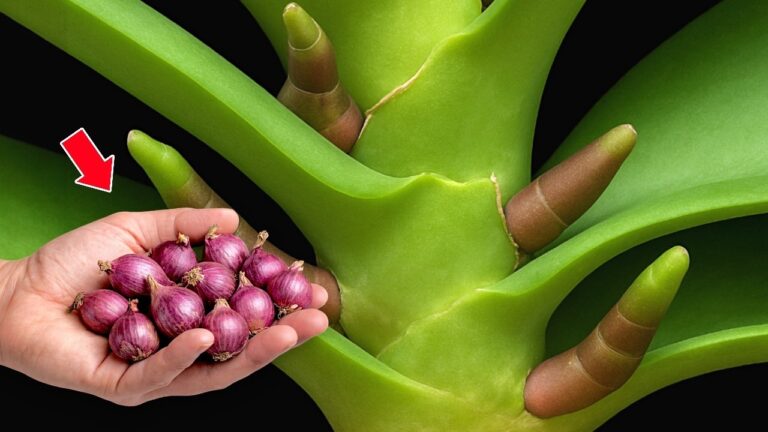
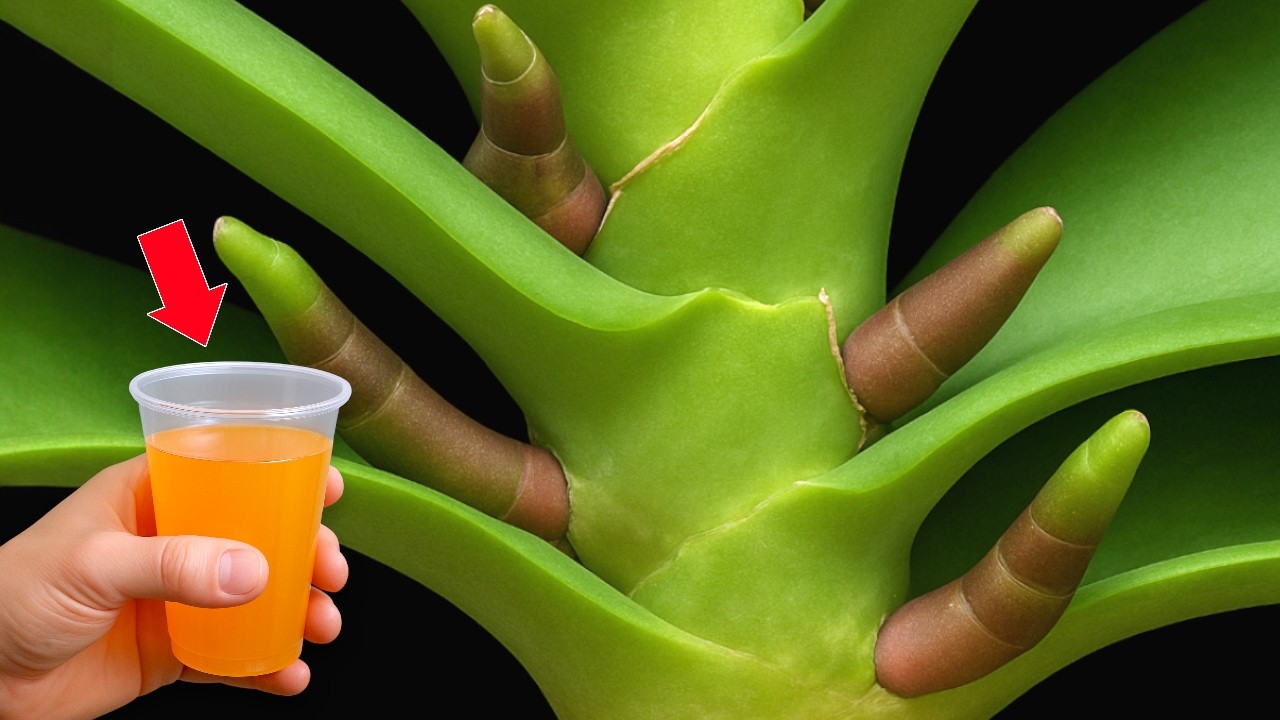
Unlock 1 Simple Trick for Year-Round Orchid Blooms!
Unlocking the Secret to Year-Round Orchid Blooms
- Introduction
- Popular Orchid Varieties
- Year-Round Orchid Care Tips
- Common Mistakes to Avoid
- FAQ
- Conclusion
Introduction
Picture this: you’ve nurtured your orchids, ensuring they receive sunlight and water, yet somehow they still seem uninterested in blooming. This can be disheartening, especially when you know the incredible beauty they can bring to your space. You might find yourself wondering what more you could do to coax those stunning flowers into life. Discovering the right tips and tricks can make all the difference in transforming your orchid experience. Let’s explore some effective ways to achieve those year-round blooms.
Popular Orchid Varieties
Understanding different orchid varieties is essential for providing the best care. While all orchids have unique needs, here are a few common types you might encounter:
- Phalaenopsis: Also known as the moth orchid, it’s one of the most popular due to its striking flowers and manageable care.
- Cattleya: Recognized for their large, fragrant blooms, these orchids often thrive with specific temperature and light conditions.
- Dendrobium: This variety features long, arching stems with clusters of flowers, and they require distinctive seasonal care to encourage blooming.
Exploring Further
By understanding the specific requirements of each type, you can tailor your care practices effectively. Consider documenting their needs to help track your care regime.
Choosing the Right Environment
Orchids typically thrive in environments that mimic their natural habitats. For many, this means bright, indirect light and moderate humidity. Assess where you place your orchids to ensure they receive the best possible care.
Year-Round Orchid Care Tips
Providing year-round care for your orchids involves several key components that can help maintain their health and promote blooming:
- Watering Schedule: Aim to water your orchids regularly but allow the potting medium to dry out between waterings. This prevents root rot and encourages healthy growth.
- Fertilization: Use a balanced orchid fertilizer every 2 to 4 weeks during the growing season. This can help ensure your orchids receive the essential nutrients they need.
- Temperature Control: Keep your orchids in temperatures between 65°F and 75°F during the day and slightly cooler at night. This temperature variation can help encourage blooming.
- Humidity Levels: Maintain humidity levels around 40-70%. You can achieve this by misting your orchids, using a humidity tray, or placing a humidifier nearby.
Lighting Requirements
Orchids flourish with bright, but filtered light. Too much direct sunlight can damage the leaves. Consider placing them near a window with sheer curtains to protect them from intense rays.
Repotting Your Orchids
Repotting every 1-2 years is crucial for your orchids’ health. Use a special orchid mix to ensure proper drainage, allowing roots to breathe and grow.
Common Mistakes to Avoid
Even experienced orchid caretakers can make mistakes that hinder blooming. Here are some common issues to steer clear of:
- Overwatering: It’s easy to assume orchids need constant moisture, but too much can lead to root rot.
- Ignoring Light Needs: Not observing your orchids’ response to light can lead to stunted growth or leaf burn, impacting blooming.
- Neglecting Fertilization: Orchids require nutrients, so failing to fertilize regularly can lead to poor performance.
- Improper Temperature: Maintaining a steady temperature that’s either too high or too low can inhibit blooming.
- Skipping the Dormancy Period: Many orchids benefit from a resting period; not allowing this can disrupt their natural growth cycle.
FAQ
How often should I water my orchids?
Water your orchids every 1-2 weeks, allowing the potting medium to dry out between waterings for optimal health.
What is the best fertilizer for orchids?
A balanced fertilizer, specifically formulated for orchids, is ideal. Fertilize every 2-4 weeks during the growing season.
Why are my orchids not blooming?
Several factors can affect blooming, including light exposure, water levels, and temperature. Ensuring the right balance can promote those beautiful flowers.
Conclusion
By understanding the unique needs of your orchids and implementing the right care strategies, you can promote stunning blooms throughout the year. Which variety of orchid do you find the most appealing? Share in the comments your experiences or questions about orchid care!