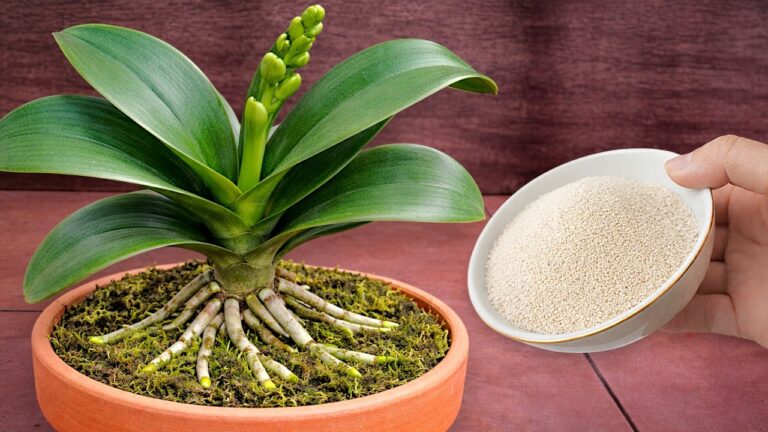
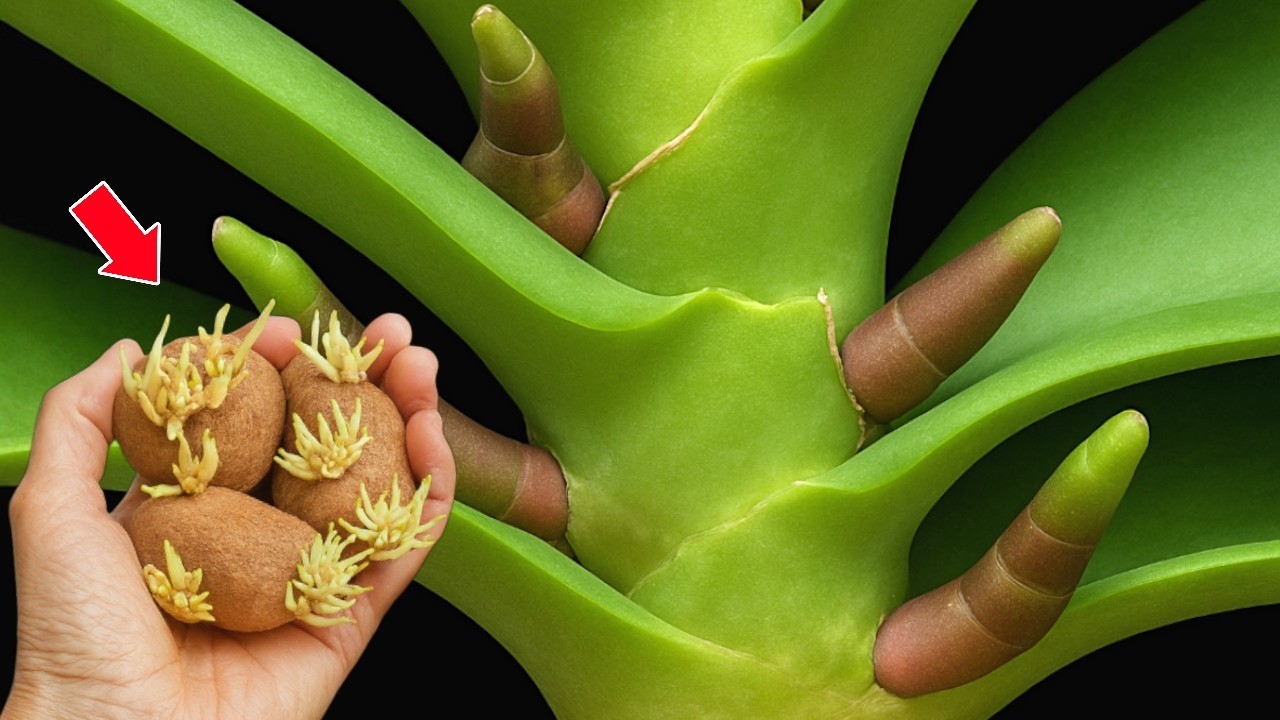
Transform Your Space: 5 Tips to Make Your Non-Flowering Orchid Bloom Beautifully
5 Tips to Make Your Non-Flowering Orchid Bloom Beautifully
- Understanding Orchid Needs
- Creating Ideal Humidity
- Providing the Right Light
- Common Mistakes to Avoid
- FAQ
Owning an orchid can be an enriching experience, yet some plant parents face the frustration of having a beautiful orchid that refuses to bloom. You may find yourself checking the soil, adjusting the light, or even talking sweetly to the plant, hoping for a sign of flowers. It can be disheartening, especially when you’ve put in the effort to care for your green companion. Understanding the specific needs of your non-flowering orchid is key to nurturing it back to a blooming state. Read on to uncover valuable tips that could revive your orchid’s blossom potential.
Understanding Orchid Needs
Each species of orchid has its unique requirements, and understanding these is the first step toward coaxing your plant into bloom. Non-flowering orchids often have specific environmental and nutritional needs that must be met.
1. Identify Your Orchid Type
Different types of orchids, such as Phalaenopsis or Dendrobium, have varied requirements:
- Research your orchid species to see what conditions it thrives in.
- Observe leaf texture and growth patterns for further clues.
- Adjust care techniques based on its specific needs.
2. Monitor Nutrient Levels
Proper feeding is crucial for healthy growth:
- Use a balanced orchid fertilizer every two weeks during the growing season.
- Reduce feedings in the winter when most orchids enter a dormancy period.
Creating Ideal Humidity
Orchids thrive in high humidity environments, typically between 50-70%. Here are practical ways to enhance humidity around your orchid:
1. Use a Humidity Tray
A tray filled with pebbles and water can help:
- Place your pot on the tray without letting it sit directly in the water.
- This setup promotes evaporation and increases local humidity.
2. Hand Mist Your Plant
Misting your orchid can be a quick humidity boost:
- Mist the leaves and the air around the plant in the morning.
- Be careful not to oversaturate, as this can promote fungal issues.
Providing the Right Light
Light plays a vital role in stimulating blooms:
1. Determine Light Levels
Your orchid needs bright, indirect sunlight:
- A south or east-facing window is often ideal.
- Rotate your orchid every few weeks for even light distribution.
2. Use Artificial Lighting if Necessary
If natural light is insufficient:
- Consider using grow lights for about 12-14 hours a day.
- Choose full-spectrum bulbs that mimic natural sunlight.
Common Mistakes to Avoid
In your journey to help your non-flowering orchid bloom, avoiding common pitfalls is essential:
1. Overwatering
One of the biggest mistakes is over-watering:
- Always allow the top inch of soil to dry between waterings.
- Use pots with drainage holes to prevent water from accumulating.
2. Poor Air Circulation
Orchids need airflow:
- Avoid placing your orchid in crowded spaces.
- Consider using a fan to promote circulation while avoiding direct drafts.
3. Ignoring Temperature Fluctuations
Temperature extremes can stress your orchid:
- Aim for a temperature range of 65°F to 75°F during the day.
- Night temperatures can drop slightly cooler, but not too drastic.
FAQ
Q: Why is my orchid not blooming?
A: Several factors can prevent blooms, including inadequate light, low humidity, or improper feeding.
Q: How often should I water my orchid?
A: Water when the top inch of soil feels dry, typically every week or two, depending on your environment.
Q: Can I use regular plant fertilizer for my orchid?
A: It’s best to use a fertilizer specially formulated for orchids for optimal results.
Conclusion
By understanding your orchid’s needs, improving humidity, and ensuring it receives the right light, you can encourage blooming beautifully. What tips have worked for you in getting your orchids to bloom? Share your experiences in the comments below.