
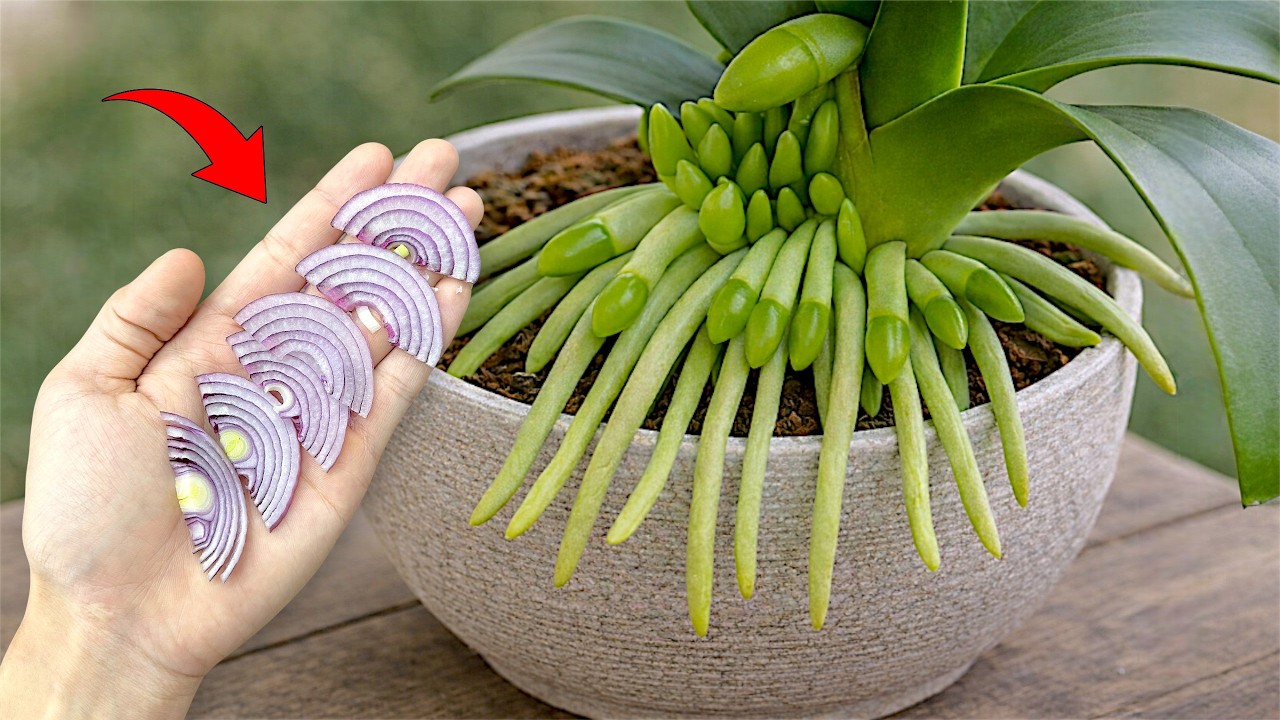
Boost Your Orchid’s Blooms by 500% with This One Simple Weekly Tip!
Boost Your Orchid’s Blooms with This Simple Weekly Tip
- Understanding Orchids and Their Needs
- Essential Care Tips for Blooming Orchids
- Creating the Best Conditions for Blooming
- Common Mistakes to Avoid with Orchids
- FAQ
Have you ever admired the stunning beauty of blooming orchids but struggled to achieve that same vibrancy in your own plants? It’s easy to feel overwhelmed with their specific care requirements and the fear of under or over-watering them. Understanding the essential tips to nurture these delicate flowers can transform your gardening experience. Read on to discover how you can boost your orchid’s blooms and bring them to life with just one simple weekly practice.
Understanding Orchids and Their Needs
Orchids can be magnificent additions to your home, but they come with particular needs that differentiate them from other houseplants. Familiarizing yourself with their characteristics will help you provide the optimal care they need.
Types of Orchids
There are numerous varieties of orchids, but some of the most common ones found in households include:
- Phalaenopsis (Moth Orchid) – Easy to care for and blooms multiple times a year.
- Cattleya – Known for their large blooms and rich fragrance.
- Dendrobium – Offers a unique and colorful display of flowers.
Ideal Growing Conditions
Understanding what your orchids need to thrive is crucial:
- Light: Most orchids prefer bright, indirect sunlight. Position them near a window with filtered light.
- Humidity: Orchids thrive in high humidity, ideally between 40-70%. Use a humidity tray or mist the leaves regularly.
- Temperature: They generally prefer temperatures between 65°F and 75°F during the day.
Essential Care Tips for Blooming Orchids
To encourage your orchids to bloom, implementing specific care tips can significantly improve their health and flower production.
Watering Practices
Watering your orchids correctly is crucial. Here’s how:
- Check the roots: The roots should appear green when hydrated and silver when needing water.
- Watering frequency: Generally, water every 7-10 days, but adjust based on your home’s humidity levels.
- Draining: Ensure pots have holes to allow excess water to escape.
Nutrients and Fertilization
Using the right nutrients can also enhance blooming:
- Use a balanced orchid fertilizer every two weeks during the growing season.
- Consider switching to a high-phosphorus fertilizer to boost bloom development.
Creating the Best Conditions for Blooming
Besides regular care, ensuring the right environment can help your orchids flourish:
Light Regulation
Pay attention to your orchids’ light needs throughout the year:
- In summer, they might need slightly more shade to prevent leaf scorch.
- In winter, consider repositioning them to receive as much indirect light as possible.
Encouraging Rest Periods
Understanding the blooming cycles is key:
- Allow orchids to rest for a few months after blooming.
- Reduce watering and fertilizing during this time to mimic their natural environment.
Common Mistakes to Avoid with Orchids
Many orchid owners inadvertently make mistakes that can hinder blooming efforts. Be aware of these common pitfalls:
Overwatering
Overwatering can lead to root rot, which can devastate your orchid. It’s better to underwater than overwater.
Improper Potting Mix
Using the wrong type of potting mix can suffocate the roots. Ensure you are using an orchid-specific mix that promotes drainage.
Neglecting Light Needs
Don’t place your orchids in direct sunlight; this can burn the leaves. Conversely, too little light can prevent blooming.
FAQ
How often should I fertilize my orchids?
Fertilize your orchids every two weeks during the growing season, using a balanced orchid fertilizer.
Can I repot my orchid?
Yes, you can repot your orchid every one to two years to refresh the potting mix and promote healthy growth.
Why isn’t my orchid blooming?
Inadequate light, poor watering practices, or lack of nutrients are common reasons orchids fail to bloom.
By understanding your orchids and providing them with the care they need, you can significantly enhance their bloom potential. Which tips will you implement in your orchid care routine? Share your thoughts in the comments below.