Change this detail beneath the plant! Help your peace lily recover and bloom again
When a peace lily stops growing or flowering, the answer may be hidden below its leaves. Water trapped inside a decorative pot, blocked drainage holes, or a container that is too large can keep the roots in poor conditions. Checking what sits beneath the plant is often more useful than immediately buying another fertilizer.
The practical change is straightforward: make sure the inner pot can drain and does not remain in collected water. That adjustment will not guarantee instant flowers, but it addresses a common obstacle to healthy growth. This guide explains how to inspect the setup, recognize other causes of slow growth, and build a care routine that supports recovery.
Start by lifting the nursery pot
Remove the inner pot from its decorative container or saucer. Look for standing water, compacted debris, or a bottom pressed so tightly against another surface that drainage is restricted. A dry-looking top layer does not rule out a wet lower root zone.
Empty any collected water and inspect the drainage holes. If the plant is growing directly in a container without drainage, consider moving it into an appropriate inner pot. Trying to estimate the perfect amount of water every time is harder than allowing excess water to escape.
Do not assume that a layer of pebbles creates the same effect as drainage holes. It does not provide an exit for water. A decorative arrangement can still be used, but the plant needs a functional root environment inside it. Make the setup easy to lift and check.
Understand why wet roots can produce limp leaves
Peace lilies often droop when they need water, which makes the symptom easy to recognize. However, roots damaged by prolonged wetness may also struggle to supply the leaves. Adding more water without checking the soil can therefore worsen the very problem you are trying to solve.
Compare several signs. A light pot with dry upper soil suggests a different situation from a heavy pot with wet soil and yellowing leaves. An unpleasant smell, soft tissue near the base, or worsening decline calls for a closer root inspection.
If the plant is otherwise firm and green, avoid pulling it apart unnecessarily. Correct the obvious drainage issue first and watch its response. If it is deteriorating, remove the root ball carefully and assess the damaged areas rather than hoping another feeding will revive them.
Give water when the plant needs it
Check the upper potting mix and learn the weight of the container at different moisture levels. Peace lilies generally do best with reasonably consistent moisture, while excess water must drain away. Repeatedly letting the entire root ball become severely dry is not a useful training method.
When watering is needed, apply water slowly and distribute it over the surface. Let the pot drain completely before returning it to the decorative container. Check again afterward, because the final drips can still collect underneath.
The interval changes with season, temperature, light, and pot size. A weekly reminder can help you remember to inspect the plant, but it should not force a weekly watering. During warmer or brighter conditions you may need to check more often, while a cooler room may slow drying.
Choose a pot that fits the root system
A larger container is not automatically kinder to a struggling plant. A small root ball surrounded by a large volume of damp soil may dry slowly. If repotting is needed, choose a sensible increase in size and a potting mix that retains some moisture while allowing air and drainage.
Consider repotting when the roots are severely crowded, the mix has deteriorated, or watering has become difficult to manage. The absence of flowers alone is not enough reason. A healthy peace lily may spend a period producing leaves between flowering cycles.
During repotting, handle healthy roots gently. Remove clearly damaged material with clean tools, but do not trim sound roots simply to make the root ball look tidy. Keep the plant at a suitable planting depth and avoid burying the bases of the leaves unnecessarily.
Improve light if growth remains slow
Peace lilies tolerate lower light, but tolerance does not mean that a very dark position encourages flowering. Move the plant toward a location with bright, indirect daylight if it has been sitting far from a window. Make the transition gradually.
Strong direct afternoon sun can damage leaves, especially after a plant has spent time in shade. Observe where sunlight actually falls throughout the day. A sheer curtain or a spot slightly to the side of the window may provide a better balance.
Keep the plant away from hot air blowing from a heater and cold drafts from an open window. These conditions can affect leaf appearance and water use. A stable location also makes it easier to recognize whether your drainage adjustment is helping.
Feed a recovering plant at the right stage
Once the roots are healthy and the plant is actively growing, an appropriate houseplant fertilizer can support new development. Follow the label for dilution and frequency. A stronger mixture is not a shortcut to flower production, especially after root damage.
Check whether fresh potting mix already contains fertilizer. Adding several products at once makes the total dose difficult to understand. Record what you use, and avoid adding an extra application simply because a social-media tip suggests it.
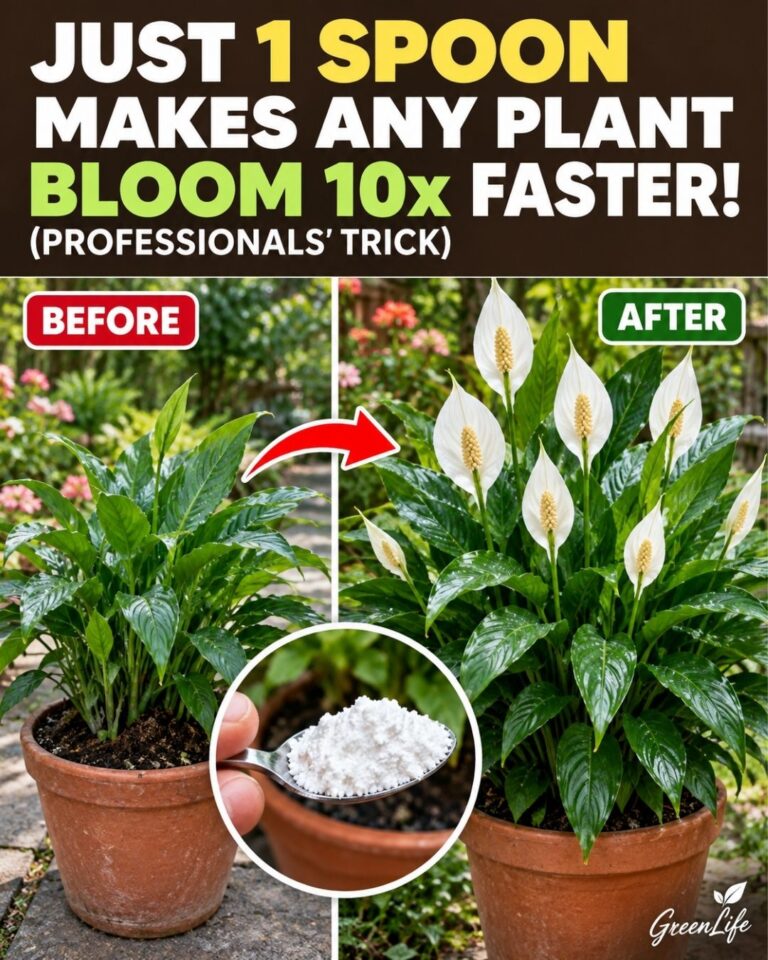
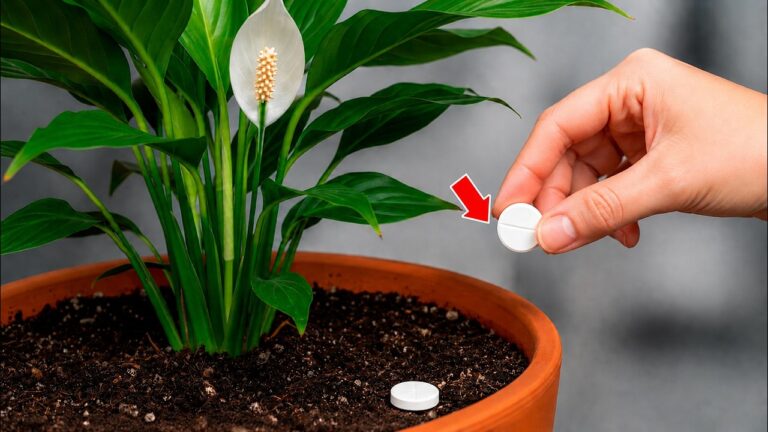
Do not place food scraps, sugar, milk, or unknown powders beneath the root ball. These additions do not provide a controlled solution to poor drainage or inadequate light. Keep the growing environment simple enough that changes in moisture and root condition remain easy to assess.
Clean and maintain the leaves gently
Dust can be removed with a soft, slightly damp cloth. Support the leaf with your other hand and wipe gently instead of pulling on the stalk. There is no need to use cooking oil, mayonnaise, or furniture polish to make leaves shine.
Remove a fully spent flower stalk with clean scissors when it becomes unattractive. Keep healthy green leaves, which continue contributing to the plant’s growth. Cutting away large amounts of healthy foliage will not correct a problem in the pot.
Check the undersides of leaves and the junctions between stalks while cleaning. If you find suspicious insects or damage, identify the cause before applying a treatment. Repeatedly using different products can obscure the symptoms and make the plant harder to evaluate.
A practical recovery checklist
- Lift the inner pot and remove standing water.
- Confirm that drainage holes are present and unobstructed.
- Assess soil moisture before deciding whether to water.
- Improve a very dark location without exposing the plant abruptly to strong sun.
- Use fertilizer only when the plant’s condition and growth justify it.
- Track changes with photos and brief notes.
If the plant is stable, avoid changing everything on the same day. When you repot, move, prune, and fertilize at once, it becomes difficult to know which action helped. Active decline is different: a serious root problem should be investigated promptly rather than postponed for the sake of an experiment.
Frequently asked questions
Can I leave water in the saucer for extra humidity?
Do not leave the pot’s base standing in water. A humidity arrangement must keep the pot above the water level, and its effect in an open room can be limited. The more important task is maintaining suitable moisture inside the root zone.
Will better drainage immediately produce flowers?
No. It improves one part of the growing environment, but flowering also depends on light, plant condition, and development. Look first for stable leaves and healthy new growth. A recovering root system may need time before the plant produces another bloom.
Why are the old white flowers turning green?
The showy white structures are spathes, or modified leaves surrounding the true flowers. Their appearance changes as they age. A green or browning older spathe is not, by itself, proof of a nutrient deficiency.
Should I split a crowded peace lily?
Division can be useful in some situations, but it is not required to make every plant flower. Assess the root system and your goal first. Avoid dividing a severely weakened plant just to create more pots to manage.
The small detail that makes care easier
A freely draining inner pot is a simple improvement you can check every time you water. Combine it with suitable light, consistent moisture, and measured feeding during active growth. That gives your peace lily a more reliable foundation for recovery and future flowers. Place it where children and pets cannot chew the foliage.