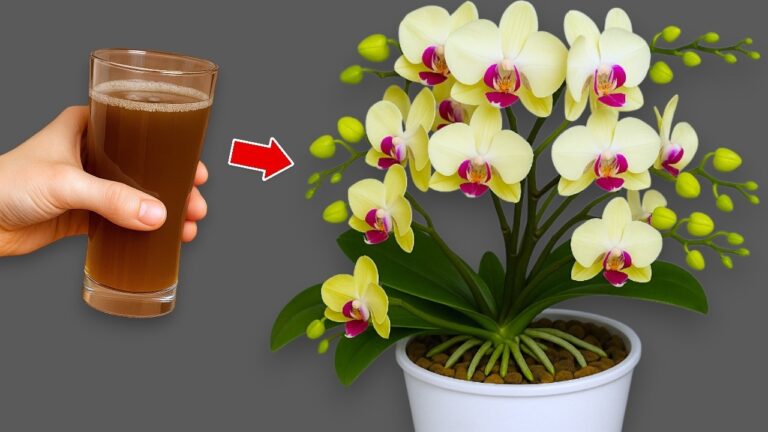
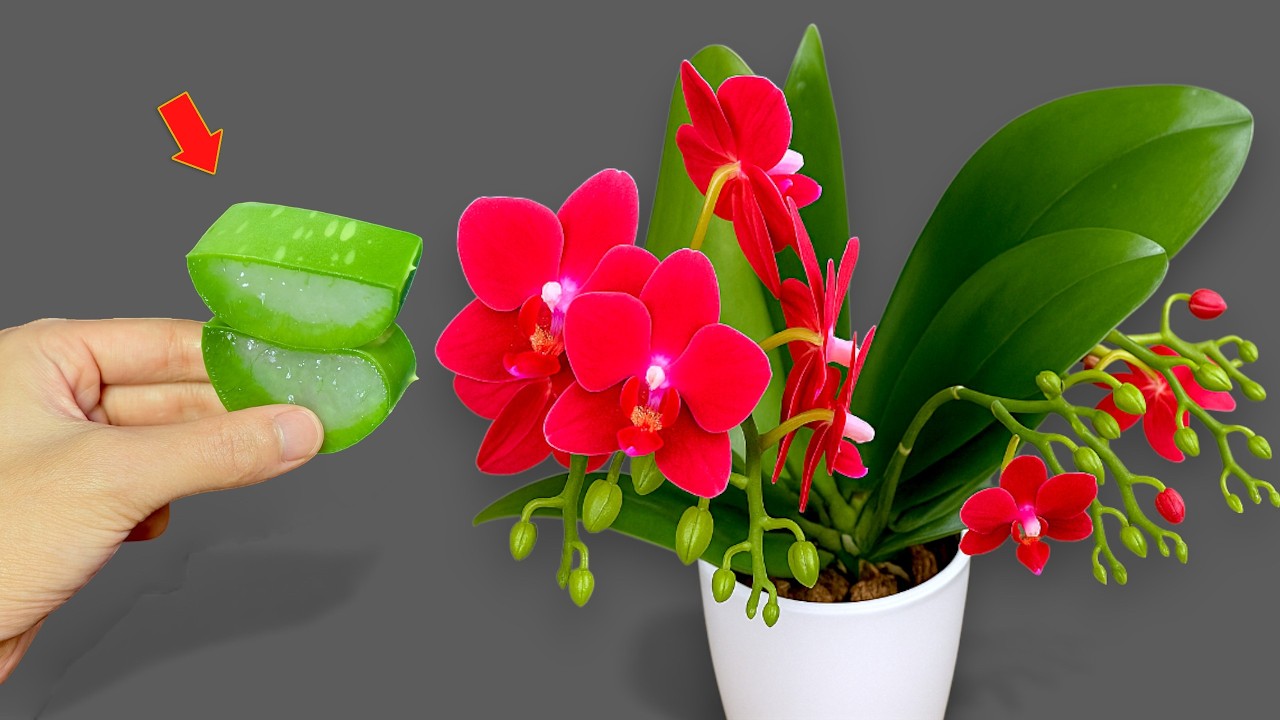
Unlock 100 Orchid Roots with This Simple Trick for Year-Round Blooms!
Unlock 100 Orchid Roots for Year-Round Blooms
- Why Orchids Are Special
- Essential Tools for Orchid Care
- Tips for Promoting Healthy Root Growth
- Common Mistakes to Avoid
- FAQ
Why Orchids Are Special
Orchids are a captivating choice for plant enthusiasts, known for their exquisite blooms and unique structures. You may find them in various colors, shapes, and sizes, often thriving in specific conditions that differ from many other houseplants. However, if you’ve ever struggled to keep your orchids healthy and blooming, you’re not alone. Understanding what these lovely plants need can help you unlock their full potential and enjoy flowers throughout the year.
Essential Tools for Orchid Care
Caring for orchids requires specific tools to ensure their optimum growth. Having the right materials on hand can make your orchid care routine easier and more effective.
1. Soil Mix
Orchids thrive in a well-draining mix. A typical blend includes:
- Bark chips
- Sphagnum moss
- Perlite or coconut coir
This mix helps prevent root rot and provides the aeration that orchids need.
2. Pot with Holes
Choose a pot specifically designed for orchids with adequate drainage holes. This allows excess water to escape, keeping the roots dry and healthy.
3. Watering Can with a Narrow Spout
A watering can with a narrow spout lets you water directly into the mix without splashing the leaves. This helps to prevent fungal infections.
Tips for Promoting Healthy Root Growth
Encouraging root growth in orchids is essential for maintaining healthy plants and ensuring vibrant blooms. Below are some effective steps you can take.
1. Watering Schedule
Orchids require careful attention to their watering needs. Establish a schedule based on your environment:
- Check moisture levels weekly by inserting your finger into the soil.
- If it feels dry, water until it drains: thoroughly saturate the mix.
- During winter, reduce watering: allow the mix to dry out more between waterings.
2. Indirect Light
Orchids prefer bright, indirect light. Placing them near an east or west-facing window often yields the best results. If direct sunlight is unavoidable, use sheer curtains to filter the light.
3. Temperature and Humidity
Orchids thrive in temperatures between 65-75°F (18-24°C) during the day and slightly cooler at night. Maintaining humidity around 50-70% can also support healthy root growth.
Common Mistakes to Avoid
Even seasoned orchid caregivers can slip up occasionally. Here are some common mistakes to be aware of:
1. Overwatering
Too much water can lead to root rot, which is a primary cause of orchid distress. Always check the moisture level before watering.
2. Using the Wrong Potting Mix
A regular potting mix can retain too much moisture. Use a specialized orchid mix for better drainage.
3. Neglecting to Fertilize
Orchids still need nutrients, even in low-light conditions. A balanced orchid fertilizer during the growing season can make a difference in their growth.
FAQ
How often should I water my orchids?
Typically, you should water your orchids every week, but this can vary. Check the soil moisture and adjust your schedule accordingly.
What type of light is best for orchids?
Orchids prefer bright, indirect light. Avoid placing them in direct sunlight to prevent leaf burn.
How do I know if my orchid is getting enough nutrients?
Yellowing leaves or stunted growth may indicate a lack of nutrients. Using a balanced orchid fertilizer can help address this.
Conclusion
By following these tips, you can unlock the potential of your orchids and encourage a robust root system that leads to beautiful blooms. What challenges have you faced while caring for your orchids? Share your experiences in the comments!