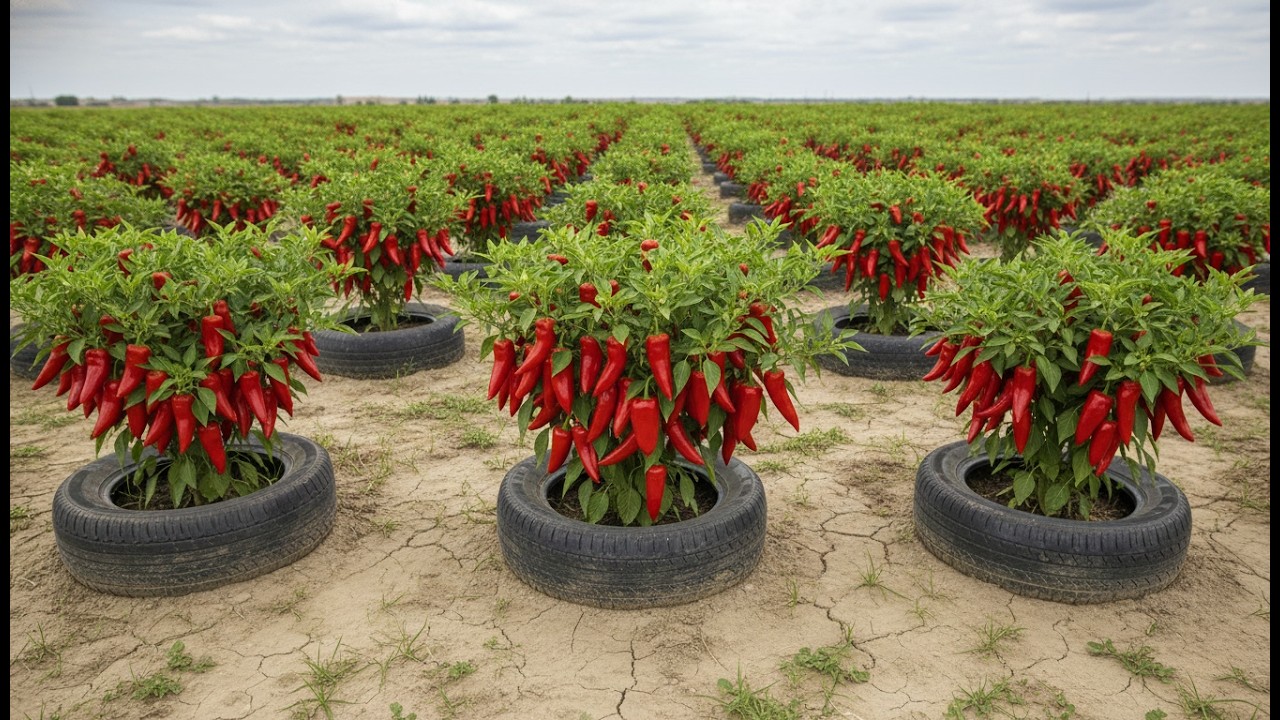
5 Simple Tricks to Make Your Chili Plants Explode with Peppers!
5 Simple Tricks to Make Your Chili Plants Explode with Peppers
- Optimal Growing Conditions
- Essential Nutrients and Fertilizers
- Smart Watering Techniques
- Pest and Disease Management
- Common Mistakes to Avoid
Many gardening enthusiasts face the challenge of their chili plants not producing as many peppers as they hoped. You might find yourself nurturing your plants, yet the yield remains disappointing. Whether you’re a beginner or an experienced gardener, understanding what your chili plants need is essential for boosting their growth. Before you give up on achieving an abundant harvest, let’s explore some effective tricks that can enhance your plant’s productivity.
Optimal Growing Conditions
Creating the right environment is the first step to ensuring your chili plants thrive. Several factors play a crucial role in their growth.
1. Ideal Temperature
Chili plants flourish in warm temperatures. Aim for conditions between 70°F to 85°F during the day and a slightly cooler 60°F to 70°F at night. If you live in a cooler climate, consider starting your seeds indoors or using row covers to maintain warmth.
2. Sunlight Requirements
Chili plants need at least 6 to 8 hours of direct sunlight each day. If they are not receiving enough light, they may become leggy and produce fewer peppers. If space allows, consider relocating your pots to a sunnier spot or using grow lights indoors.
3. Soil Quality
Using well-draining soil that is rich in organic matter is vital. You can mix garden soil with compost to improve drainage and provide essential nutrients. Testing the pH level of the soil can also be beneficial, as chili plants prefer a pH of about 6.0 to 7.0.
Essential Nutrients and Fertilizers
Nourishing your chili plants with the right nutrients supports their growth and enhances pepper production.
1. Fertilization Schedule
Start with a balanced fertilizer during the early growth stage, switching to a nitrogen-rich fertilizer once the plants develop buds. Switch to a phosphorus-rich fertilizer when flowers start to appear, as this will encourage fruit set.
2. Compost Benefits
Incorporating organic compost not only enriches the soil with nutrients but also improves moisture retention. Applying a layer of compost around the base of your plants can help keep them healthy as they grow.
3. Micronutrients
Chili plants benefit from specific micronutrients such as magnesium and calcium. You can add a calcium supplement or use Epsom salt to ensure they’re getting everything they need for optimal growth.
Smart Watering Techniques
Proper watering is crucial for the health of your chili plants. Understanding the right techniques can greatly improve your yield.
1. Consistency is Key
Water your plants consistently, keeping the soil moderately moist. Using a moisture meter could help you determine when to water. Overwatering can lead to root rot, while underwatering can stress the plants.
2. Water at the Right Time
Water your plants in the early morning or late afternoon when temperatures are cooler. This minimizes evaporation and allows the plants to absorb moisture more effectively.
3. Use Mulch
Applying a layer of mulch around your plants can help retain soil moisture and regulate temperature. Organic mulches like straw or wood chips are great options, as they also break down and add nutrients to the soil over time.
Pest and Disease Management
Keeping pests and diseases at bay is essential for producing a bountiful harvest.
1. Regular Inspections
Inspect your chili plants regularly for signs of pests, such as aphids or spider mites. Early detection can prevent a major infestation. If you find any pests, consider using a mild soap solution to eliminate them.
2. Companion Planting
Planting herbs such as basil or marigolds alongside your chili plants can naturally deter pests. These companion plants can enhance growth and help protect your peppers from common threats.
3. Disease Prevention
Practice crop rotation each year to prevent diseases from building up in the soil. Additionally, avoid overhead watering to minimize fungal infections. Keeping your garden area clean by removing dead leaves and debris can also help.
Common Mistakes to Avoid
Even experienced gardeners can overlook essential practices when it comes to growing chili plants. Here are some common missteps.
1. Ignoring Soil Drainage
Failing to ensure proper soil drainage can result in poor root growth and increased susceptibility to diseases.
2. Overfertilizing
Applying too much fertilizer can harm plants, leading to excessive leaf growth at the expense of flowering and fruiting.
3. Neglecting Temperature Control
Allowing your chili plants to experience extreme temperature fluctuations can stunt their growth and reduce pepper yield.
4. Improper Pruning
Not pruning your chili plants can lead to overcrowding, resulting in reduced airflow and increased risk of disease.
5. Skipping Regular Maintenance
Failing to regularly inspect your plants can lead to unnoticed pests and diseases, potentially ruining your harvest.
6. Dismissing Variety-Specific Needs
Different chili pepper varieties may have unique needs and preferences; neglecting this can lead to disappointing results.
7. Unbalanced Watering
Inconsistent watering, whether too much or too little, can severely affect your plants’ ability to produce peppers.
8. Overcrowding Plants
Planting too closely can result in competition for resources and limit each plant’s growth potential.
9. Not Harvesting Regularly
Letting peppers remain on the plant for too long can discourage new growth. Regular harvesting encourages continued production.
10. Skipping Soil Testing
Not testing your soil can prevent you from addressing nutrient deficiencies that limit plant vigor.
11. Neglecting Temperature Sensitivity
Overlooking chili varieties’ specific temperature requirements can lead to poor performance and disappointing yields.
12. Feeling Discouraged from Setbacks
Gardening often requires patience and resilience; don’t let setbacks discourage you from trying again!
13. Ignoring Local Resources
Not seeking advice from local gardening clubs can mean missing out on valuable tips for your specific climate.
14. Forgetting about Over-wintering
Many chili varieties can be overwintered; neglecting this can mean losing your plants come winter.
15. Misunderstanding Growing Seasons
Each chili variety has a preferred growing season; ignoring this can result in unsuccessful growth and less fruit.
16. Inaccurately Tracking Weather Changes
Overlooking daily weather changes can hinder your plants’ growth, especially if a sudden frost occurs.
17. Using Incompatible Companion Plants
Not researching companion plants can lead to reduced growth or increased pest issues.
18. Failing to Research Pest Lifecycles
Not understanding common pests’ lifecycles can result in ineffective treatment and ongoing infestations.
19. Not Adjusting for Container Size
For container gardeners, using the right-sized pot can significantly affect root growth and overall plant health.
20. Ignoring Seed Quality
Lastly, high-quality seeds are essential for productive plants; using old or improperly stored seeds can lead to failure.
FAQ
What is the best fertilizer for chili plants? Organic fertilizers high in nitrogen during the early stages, switching to phosphorus-rich options as buds appear, are effective.
How much sunlight do chili plants need? Chili plants thrive best with 6 to 8 hours of direct sunlight each day.
What pests affect chili plants? Common pests include aphids, spider mites, and whiteflies, which can weaken your plants if not managed promptly.
Conclusion
By focusing on optimal growing conditions, providing essential nutrients, watering wisely, and managing pests, you can significantly enhance your chili pepper harvest. What are your favorite tips for growing chili plants? Share your thoughts in the comments!