10 Reasons to Grow Kohlrabi on Your Balcony for a Bountiful Harvest!
10 Compelling Reasons to Grow Kohlrabi on Your Balcony
- Introduction
- Nutritional Benefits of Kohlrabi
- Space Efficiency and Versatility
- Easy Care for Beginners
- Common Mistakes to Avoid
- FAQ
Introduction
Picture this: you’re stepping onto your balcony, and instead of dull concrete or crowded pots, you’re greeted by vibrant greens thriving in fresh air. Yet, many urban gardeners overlook a hidden gem that could easily flourish in these conditions—kohlrabi. As a space-efficient, nutritious option, kohlrabi presents various benefits that can transform your gardening experience, whether you’re a novice or a seasoned gardener. Keep reading to discover why you should consider incorporating kohlrabi into your balcony garden.
Nutritional Benefits of Kohlrabi
Kohlrabi is not just a treat for the eyes; it’s also a powerhouse of nutrition. Here are several reasons to add this unique vegetable to your diet:
- Rich in Nutrients: Kohlrabi is abundant in vitamins C and K, which help boost your immune system and support bone health.
- High in Fiber: This vegetable is an excellent source of dietary fiber, promoting digestive health and aiding in regularity.
- Low in Calories: Perfect for those watching their weight, kohlrabi is low in calories but high in satiety, making it an ideal addition to any meal.
Versatile Culinary Uses
From salads to soups, kohlrabi can be enjoyed in numerous ways. Consider slicing it thinly for a crunchy addition to your salad or roasting it with herbs for a warm side dish.
Boosting Antioxidants
With antioxidants present, kohlrabi can help neutralize harmful free radicals in your body, contributing to better overall health.
Space Efficiency and Versatility
You may be surprised to learn that kohlrabi can thrive in limited spaces. Here’s how to make the most of your balcony:
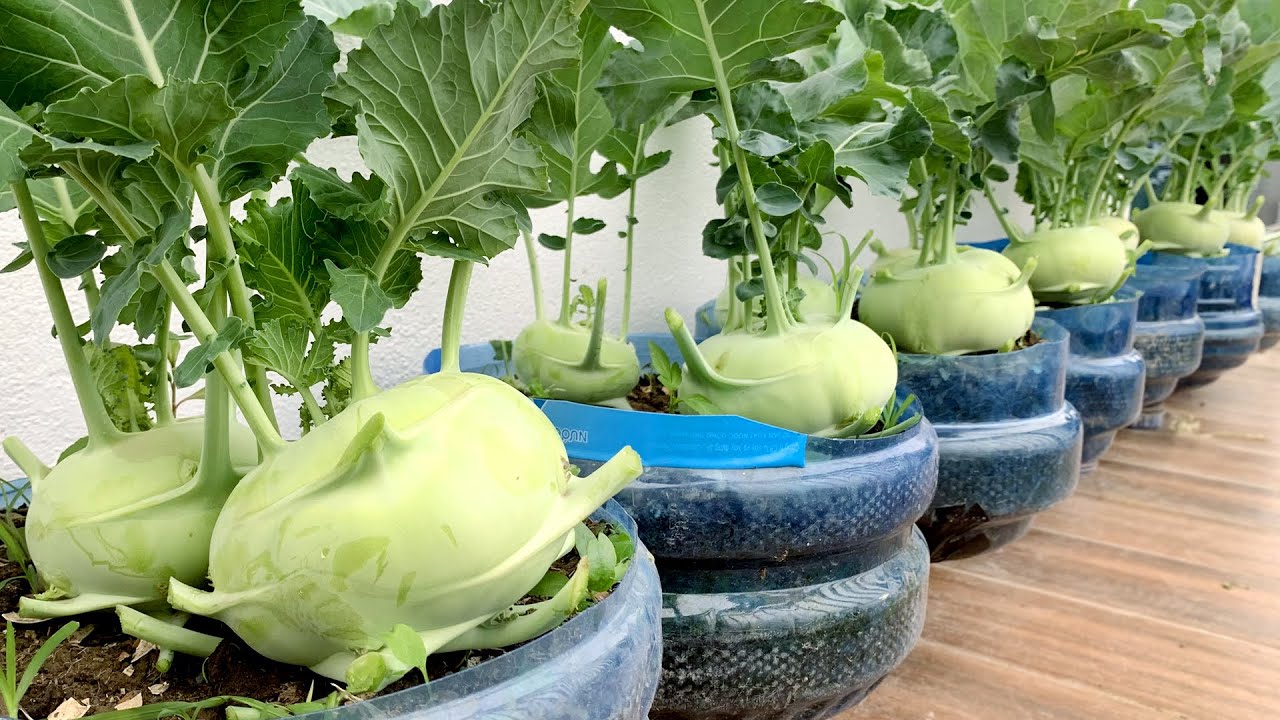
- Container Gardening: Use large pots with ample drainage to grow kohlrabi. A standard 5-gallon container can accommodate multiple plants.
- Interplanting: Try mixing kohlrabi with other compatible plants, such as radishes or lettuce, to maximize your space and yield.
- Seasonal Growth: Kohlrabi can be planted in both spring and fall, allowing you to enjoy fresh produce year-round.
Choosing the Right Varieties
Look for varieties suited to your region’s climate when selecting kohlrabi seeds. Options like ‘White Vienna’ and ‘Purple Vienna’ are popular for balcony gardens.
Compact Growth Habit
Kohlrabi’s compact growth means you don’t need a vast area to cultivate a bountiful harvest, making it perfect for urban environments.
Easy Care for Beginners
If you’re new to gardening, kohlrabi is an excellent starting point. Here are some tips for easy care:
- Consistent Watering: Ensure your kohlrabi receives adequate moisture, especially in hot weather. Water when the top inch of soil feels dry.
- Sun Requirements: Aim for at least 6 hours of sunlight daily. If your balcony doesn’t get enough sun, consider using reflective surfaces to increase light exposure.
- Pest Management: Regularly check for pests like aphids and treat them using natural methods, such as insecticidal soap.
Mulching Techniques
Applying mulch can help retain moisture in the soil and suppress weeds, making care easier.
Timing Your Planting
Plant kohlrabi seeds or transplants at the right times to ensure optimal growth and yield. Generally, spring and early fall are excellent times for planting.
Common Mistakes to Avoid
Even simple gardening has its pitfalls. Here are some common mistakes to steer clear of:
- Ignoring Soil Quality: Poor soil can lead to stunted growth. Use quality potting mix enriched with organic matter.
- Overwatering: Overly wet soil can cause root rot. Ensure pots have good drainage and check moisture levels frequently.
- Neglecting Spacing: Crowding plants can hinder growth. Follow spacing guidelines to ensure each plant has room to thrive.
Fertilization Mistakes
Avoid over-fertilizing. Stick to a balanced organic fertilizer to promote healthy plants without burning the roots.
Harvesting Too Late
Monitor your kohlrabi and harvest when bulbs reach about 3-4 inches in diameter for the best flavor and texture.
FAQ
What is the best time to plant kohlrabi?
Kohlrabi is typically planted in early spring or late summer for fall harvest. Aim for soil temperatures of around 60-70°F for optimal growth.
How often should I water kohlrabi?
Water your kohlrabi regularly, ensuring the soil is moist but not soggy. Generally, watering once or twice a week is sufficient, depending on weather conditions.
Can kohlrabi be grown indoors?
Yes, kohlrabi can be grown indoors with adequate light. Use grow lights if your space lacks natural sunlight.
Conclusion
Growing kohlrabi on your balcony can lead to a nutritional bounty while utilizing your limited space effectively. By avoiding common mistakes and ensuring proper care, you can enjoy this unique vegetable. Have you tried growing kohlrabi or any other vegetables in your balcony garden? Share your thoughts in the comments!