8 Garden Plants You Shouldn’t Let Your Chickens Near
8 Garden Plants You Shouldn’t Let Your Chickens Near
Raising chickens in your backyard can be a delightful and rewarding experience, especially when you enjoy fresh organic eggs. However, it comes with its own set of challenges, particularly when it comes to protecting your feathery friends from harmful plants. Chickens are naturally curious and omnivorous, which can lead to trouble if they free-range near toxic plants. Here’s a guide on which plants to keep away from your chickens, along with signs of toxicity and remedies.
Understanding Chicken Foraging Behavior
Chickens tend to be smart foragers and often avoid toxic plants. However, their instincts can falter if they’re hungry or if they’re compelled by curiosity, especially if you unintentionally encourage them to try something by feeding it to them. Heritage breeds like Dominique, Rhode Island Red, and Wyandotte are known for their adeptness at free-ranging, while newer breeds may require closer supervision.
Signs Your Chicken Ate a Toxic Plant
It’s essential to monitor your chickens for any signs of illness. Here are some symptoms to watch for:
- Drooling
- Diarrhea
- Lethargy
- Head and tail drooping
- Tremors or seizures
- Trouble breathing
- Inability to stand
What to Do If You Suspect Toxicity
If you notice any of the signs mentioned above, it’s crucial to consult a veterinarian. Bringing a sample of the plant your chicken may have eaten will aid in their diagnosis and treatment.
8 Toxic Plants for Chickens
If you have some of these plants on your property, don’t panic. Many chicken keepers have coexisted with these plants without issues. Just keep an eye on your flock to ensure they’re not nibbling on the wrong greenery.
1. Foxglove
This beautiful plant contains digitalis, a heart-affecting toxin that can lead to low blood pressure, slow heartbeat, and shock.
2. Daffodil
While daffodils are common, chickens generally avoid them. Monitor your flock in the early spring when daffodils are sprouting, then give them more freedom later in the season.
3. Azaleas
A favorite ornamental plant, azaleas contain grayanotoxins that can cause gastrointestinal problems, weakness, and heart issues in chickens.
4. Rhododendron
This prevalent shrub can be toxic to chickens. However, many chicken keepers report that their birds show little interest in consuming it.
5. Lily of the Valley
Adorable but deadly, this plant contains cardiac glycosides that can be fatal even in small amounts.
6. Beans
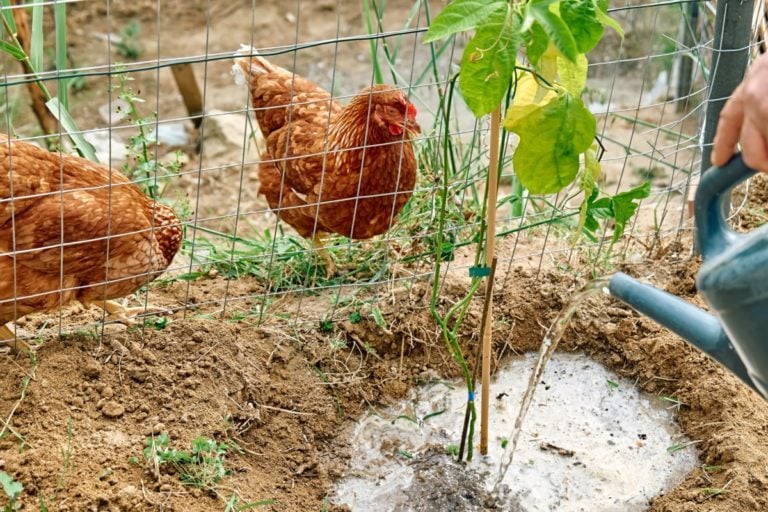
Chickens can safely consume cooked beans, but raw or dried varieties contain hemagglutinin, which is toxic. Keep your bean plants fenced off.
7. Ferns
While many ferns are safe, bracken fern can pose a risk if consumed in large quantities. Monitor your chickens if you have this particular type on your property.
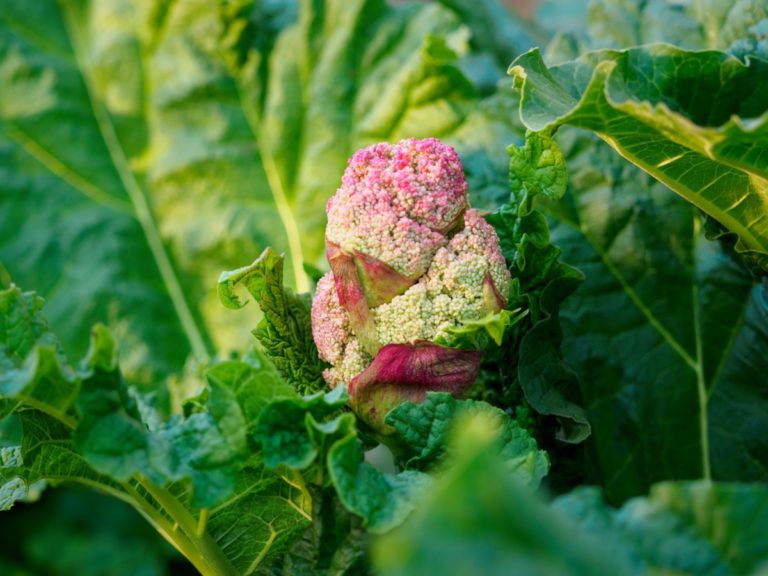
8. Rhubarb
The leaves of rhubarb are toxic due to high levels of oxalic acid. While chickens often avoid them, it’s wise to keep this plant fenced off from your flock.
9. Nightshades: Potatoes, Tomatoes, Eggplant, Peppers, and More
Nightshade plants can be tricky since many gardeners grow them. Always fence off your garden to protect both your plants and your chickens from the harmful parts of these crops.
Other Hazards to Avoid
In addition to toxic plants, be aware of other hazards that can threaten your chickens’ health. Avoid using herbicides and pesticides on your lawn, as these chemicals can severely impact your flock. Similarly, be cautious with non-organic fertilizers and grass seeds, and consider waiting a couple of weeks before letting your chickens free-range after treating your landscape.
Conclusion
Keeping chickens safe in your garden is important for their health and well-being. By being aware of toxic plants and other hazards, and by providing your flock with a nutritious diet and ample space to roam, you can enjoy both fresh eggs and a beautiful garden. Remember, the key is vigilance and preventive measures. Happy chicken-keeping!