The Secret to Growing Huge Sage Plants from Seeds or Cuttings
The Secret to Growing Huge Sage Plants from Seeds or Cuttings
Sage is a beloved culinary herb known for its distinct aroma that often hints at delicious dishes in the making. However, many gardeners face challenges in successfully growing sage, leading to frustration and disappointment. This year, let’s set the stage for a thriving sage garden that you can enjoy year after year.
Understanding Sage’s Native Habitat
To successfully grow sage, it’s essential to understand its native environment. Common sage, or Salvia officinalis, thrives in the Mediterranean, where it flourishes in hot, dry summers and mild, wet winters. Knowing these conditions can help you replicate the ideal environment in your garden.
Key Growing Conditions for Sage
Sage is a perennial herb, although its lifespan can vary depending on your climate. Here’s what you need to know:
- Zones 5-8: Sage can be grown as a perennial.
- Zones 9-11: It typically grows as an annual due to extreme heat.
- Zones 1-4: Cold winters necessitate growing sage as an annual.
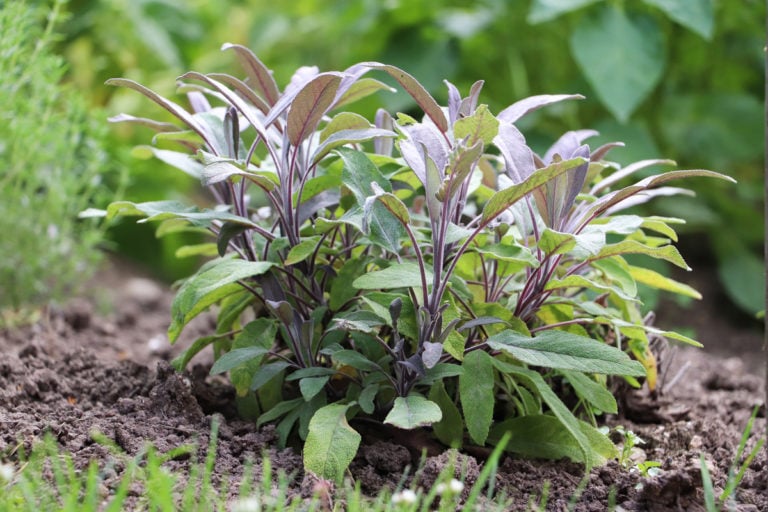
The leaves of sage plants are strikingly beautiful and often appear silver-green, adorned with a fine, fluffy texture. When flowering, they produce long stalks of purple or blue blooms that attract pollinators.
Popular Varieties of Sage
There’s a variety of sage suited for different preferences:
- Broad Leaf Sage: The classic culinary sage found in kitchens.
- Extrakta: High in essential oils, ideal for cooking and aromatherapy.
- Sirius Blue Sage: Famous for its deep-blue flowers that attract wildlife.
- Golden Sage: Similar in flavor to broad leaf sage, but with attractive golden leaves.
Growing Sage from Seeds
Starting sage from seeds requires patience, as germination can take 4 to 6 weeks or even longer. Here are some tips to ensure success:
Cold Stratification
Sage seeds benefit from a cold stratification period. Place seeds in the refrigerator for a few weeks before planting to enhance germination rates.
Planting Seeds
Use a quality soilless seed-starting mix, keeping it moist but not soaked. Press seeds lightly into the mix and cover with a thin layer of soil, misting them gently.
Light & Care
Place planted seeds in a bright location or under grow lights. Maintain moisture without overwatering, and check frequently for sprouting.
Propagating Sage with Cuttings
If starting from seeds feels daunting, sage can easily be propagated from cuttings:
- Cut a healthy 4”-6” stem from an established sage plant.
- Remove lower leaves and place the cutting in water or a damp seed mix.
- Consider using rooting hormone to promote root growth.
Growing Sage Outdoors
Once established, sage can thrive in various settings:
Soil
Ensure well-draining loamy soil. If it’s heavy in clay, consider adding sand or growing sage in containers.
Sunlight
Sage loves full sun. If you live in extremely hot climates, some shade during the hottest part of the day can be beneficial.
Watering
Water sage deeply but infrequently. Allow the soil to dry out between waterings to avoid root rot.
Nutrients
Fertilize sage with organic options like compost or blood meal, especially after transplanting. Regular feeding with a nitrogen-rich liquid fertilizer every couple of weeks is recommended.
Companion Planting
Sage pairs well with Mediterranean herbs like rosemary and lavender, as well as carrots. Avoid planting it near alliums such as onions or garlic.
Common Pests & Diseases
Even healthy sage plants can face challenges. Common pests include:
- Mealybugs: Identify by their white fluff and treat with water sprays or insecticidal soap.
- Slugs: Remove by hand or use pest deterrents to keep them away.
- Aphids: Can occasionally infest sage; control similarly to mealybugs.
- Root Rot: Ensure proper watering habits to avoid this issue.
- Mint Rust: Remove infected leaves and consider root treatment if needed.
Pruning Sage for Healthier Growth
Pruning sage can encourage new growth, making your plants bushier. Use the same techniques as those for basil to achieve optimal results.
Growing Sage Indoors
Indoor sage plants require more frequent fertilization and at least 6-8 hours of sunlight. Use grow lights if necessary to maintain optimal conditions.
Conclusion
Armed with the right techniques for planting and caring for sage, you can enjoy a bountiful herb garden. From flavorful dishes to homemade smudge sticks, embrace the versatility of this wonderful herb and make your garden flourish!